Milton Kirby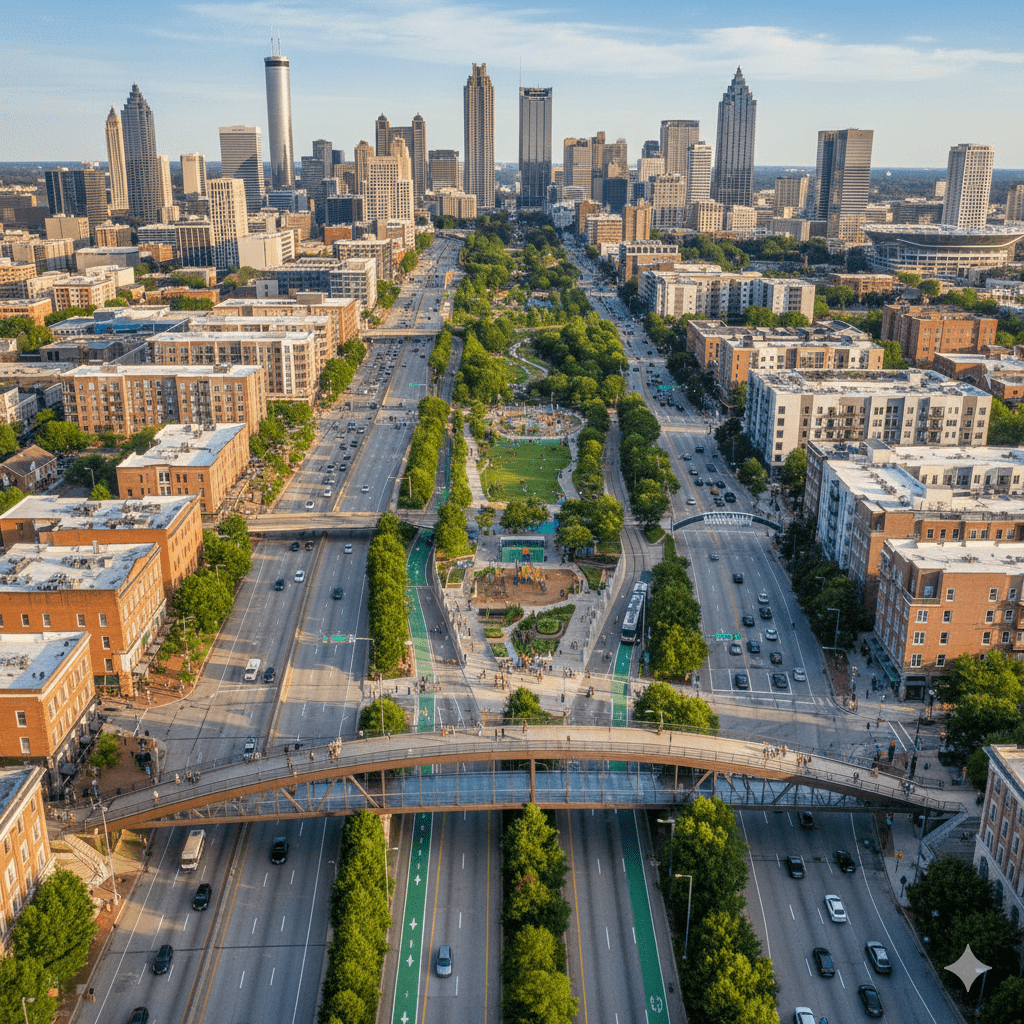
By Milton Kirby | Washington, D.C. | December 22, 2025
A bipartisan-backed effort to repair the long-term damage caused by urban highways moved forward this week as U.S. Senate Democrats introduced legislation to reauthorize and expand the federal government’s flagship program aimed at reconnecting communities split apart by legacy infrastructure.
The Restoring Essential Public Access and Improving Resilient Infrastructure Act, known as the REPAIR Infrastructure Act, would invest $15 billion over five years to help cities and towns redesign or remove divisive roadways, restore neighborhood connections, and prevent displacement tied to major transportation projects.
The bill was introduced by Sen. Raphael Warnock, Sen. Lisa Blunt Rochester, and Sen. Jeff Merkley, building on the Reconnecting Communities Pilot Program created under the 2021 Infrastructure Investment and Jobs Act.
From Pilot Program to Permanent Policy
Since its launch, the U.S. Department of Transportation has funded 257 projects in 47 states, supporting initiatives that redesign streets, remove outdated highway structures, improve transit access, and spur local economic development. Supporters of the REPAIR Act say those early successes justify turning the pilot into a permanent, fully funded program.
Under the legislation, Congress would authorize $3 billion annually from fiscal years 2027 through 2031, funded through the Highway Trust Fund. Of that total, $750 million each year would be dedicated to planning grants, while $2.25 billion would support capital construction projects.
“These projects are about more than concrete and asphalt,” supporters argue. “They are about restoring access to jobs, schools, healthcare, and opportunity.”
Guardrails Against Displacement
A central feature of the bill is its focus on equity and community protection. The REPAIR Act would formally require projects to promote economic development while preventing displacement of existing residents, a frequent criticism of past infrastructure investments.
Projects would be evaluated on whether they include robust community participation plans, partnerships with local organizations, and strategies to preserve affordability. Eligible efforts could include renter and homeowner assistance, affordable housing preservation, mixed-income development, and protections for small businesses.
The legislation also bars grant funds from being used to increase the number of travel lanes on existing highways, signaling a shift away from highway expansion and toward neighborhood-scale reconnection.
Broader Eligibility Across Federal Programs
Beyond direct grants, the REPAIR Act expands eligibility for reconnection projects across multiple federal transportation programs, including:
- National Highway Performance Program
- Surface Transportation Block Grants
- Highway Safety Improvement Program
- Congestion Mitigation and Air Quality Program
- National Highway Freight Program
- Rural Surface Transportation Grants
- Carbon Reduction Program
The bill also formally defines “divisive roadway infrastructure,” including limited-access highways and viaducts that act as barriers to mobility and economic activity.
Georgia Examples Loom Large
The legislation carries particular significance for Georgia, where highway construction in the mid-20th century reshaped cities and displaced historically Black neighborhoods. In Atlanta, the Downtown Connector severed once-thriving communities. In Savannah, the I-16 flyover cut through Black business districts near the city’s core.
Backers of the bill say REPAIR funding could help address those lingering impacts while guiding future projects toward community-led solutions.
Broad Coalition Support
The REPAIR Infrastructure Act is endorsed by a wide coalition of planning, environmental, and local government organizations, including Smart Growth America, the National League of Cities, the American Society of Landscape Architects, America Walks, the Congress for the New Urbanism, the Natural Resources Defense Council, and the Rails to Trails Conservancy, along with more than 70 additional national groups.
Supporters argue the bill reflects a growing consensus that transportation policy must balance mobility with health, climate resilience, and neighborhood stability.
What Comes Next
The bill has been referred to committee, where lawmakers will debate funding levels and implementation details. If passed, it would mark one of the most significant federal commitments to undoing the social and economic harms caused by 20th-century highway construction. For cities still living with the consequences of those decisions, proponents say the message is clear: reconnecting communities is no longer an experiment — it is national policy.


 Barn Raiser