MARTA appoints Jonathan Hunt as interim GM/CEO, backed by a high-profile advisory group, to address service issues and advance transit projects before the 2026 FIFA World Cup.
By Milton Kirby | Atlanta, GA | August 14, 2025
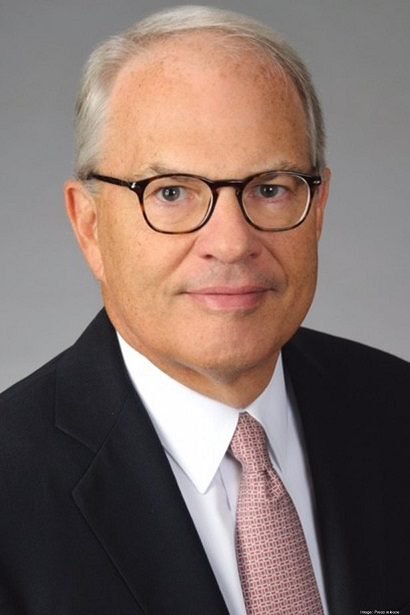
The Metropolitan Atlanta Rapid Transit Authority (MARTA) Board of Directors has appointed Chief Legal Counsel Jonathan Hunt as interim General Manager and CEO. The move follows the July 17 retirement of Collie Greenwood.
Hunt, a dedicated member of MARTA’s legal department for nearly 12 years, expressed his deep honor at the appointment.
“My experience at MARTA, my respect for public transit, and my understanding of this Authority’s potential put me in a prime position,” Hunt said. “With the support of MARTA’s team, I intend to address service issues and advance projects ahead of the World Cup.”
Photo courtesy MARTA – Jonathan Hunt
The MARTA Board also established a strategic operational advisory group to provide expert guidance to Hunt in his interim role. This group, led by former MARTA General Manager and CEO Keith Parker, includes seasoned professionals such as Metro Atlanta Chamber CEO Katie Kirkpatrick, Atlanta Regional Commission Executive Director & CEO Anna Roach, and City of Atlanta Chief Strategy Officer Peter Aman.
Board Chair Jennifer Ide said the decision to select an internal leader is not a signal of complacency.
“An internal candidate with institutional knowledge, combined with the advisory group’s counsel, will help with strategic decision-making and guide the search for a permanent leader,” Ide said.
The Board’s search committee—comprising Ide, Valencia Williamson, Al Pond, Rita Scott, and Sagirah Jones—will work with an executive search firm to find a permanent GM/CEO.
Hunt became Chief Legal Counsel in 2024. He brings decades of experience in transit, real estate, finance, corporate law, and construction management. Before joining MARTA, he served as Assistant City Attorney for Atlanta, representing Hartsfield-Jackson Atlanta International Airport. He also serves as president of the American Public Transportation Association’s Legal Affairs Committee and sits on its national board.
Chief Customer Experience Officer Rhonda Allen, who served as acting GM/CEO since June 18, will continue leading customer-focused projects. This includes rolling out MARTA’s new Breeze fare system.
Please consider supporting open, independent journalism – no contribution is too small!
Bo Luxe Male offers premium vegan skincare and hair care for Black men, using natural, plant-based ingredients to nourish textured hair, melanated skin, and boost overall well-being.
By Milton Kirby | Atlanta, GA| August 13, 2025
In a beauty industry dominated by mainstream products, one Atlanta entrepreneur is creating space for Black men’s skincare and hair care.
Heather Lenore is the founder of Bo Luxe Male, a premium vegan line designed for men with textured hair and melanated skin. Her products are made with all-natural, plant-based ingredients. Each formula draws on ancient healing traditions and uses essential oils to promote growth, healing, and protection. The goal is to nourish the skin and hair while also boosting mental well-being.
Lenore said the demand for high-quality, targeted grooming products is rising as men become more intentional about self-care. For many, finding products that truly work for their skin and hair type has been a challenge. Bo Luxe Male fills that gap.
“I talk to men every day,” she said. “Some have never used a proper face cleanser.” One client even applied the cleanser like lotion, not realizing it needed to be thoroughly rinsed off. Those experiences drive her to educate customers on the value — and correct use — of her products.
Heather Lenore
Working with The Georgia Center of Innovation, a strategic arm of the Georgia Department of Economic Development, she is constantly refining processes and developing and memorializing best practices.
Lenore maintains small-batch production. She hand-mixes ingredients like lemongrass, aloe vera, hibiscus, and frankincense, creating no more than 50 kits at a time to ensure quality. Each kit lasts about 90 days and is sized and packaged to be easily portable.
Bo Luxe Male products follow a four-step system: Clean, Hydrate, Heal, and Moisturize. The line includes natural cleansers, hydrating blends, healing treatments, and moisturizers that leave skin soft without a wet or greasy feel.
Lenore sells online, at her Salon Bougie location on Nelson Street, and through pop-up demonstrations at salons and barbershops. To ensure that men have what they need, when they need it, Lenore offers a subscription service that delivers to her customer’s door.
Like many small business owners, she wears multiple hats — CEO, COO, CMO, and CFO. She handles everything from production and marketing to financing and strategic planning. She has self-funded her business.
She has a keen understanding of her competition. She continually evaluates her marketing plan to ensure that Bo Luxe’s marketing strategy considers the competition’s positioning in the marketplace and adjusts her approach to stay competitive and ahead.
Customer feedback has been encouraging. “The skin of Black men is responding well to Bo Luxe — in some cases, almost instantly,” Lenore said.
Her ambition is bold: to make Bo Luxe one of the largest and most respected skincare lines in the world.
“Black men deserve products made for them,” she said. “And Bo Luxe delivers results.”
Please consider supporting open, independent journalism – no contribution is too small!
Atlanta’s 2025 INTERSECTION Conference unites 500+ leaders to tackle infrastructure investment challenges with expert panels, national insights, and real solutions for regional development.
By Milton Kirby | Atlanta, GA | August 8, 2025
The Council for Quality Growth has unveiled the full speaker lineup for its 5th annual INTERSECTION Quality Development Conference, set for Thursday, August 15, 2025, at the Sandy Springs Performing Arts Center. This year’s theme—“Infrastructure & Investment: Addressing Urgent Funding Challenges in Uncertain Times”—underscores the region’s pressing need for innovative solutions to finance critical infrastructure projects amid shrinking budgets and economic uncertainty.
More than 500 public and private sector professionals are expected to attend the half-day event, which kicks off at 7:00 a.m. with a program start at 7:45 a.m. The Council’s educational arm hosts the conference, the Quality Growth Institute, and aims to spark regional collaboration and dialogue at the intersection of public policy and private investment. By attending, you will gain insights from industry leaders, network with peers, and earn up to 4.0 credit hours for professional licensing and continuing education across disciplines, including real estate, planning, and engineering.
19 Experts, 8 Sessions, One Region’s Future
The conference boasts a diverse and dynamic roster of 19 speakers across eight sessions, including government officials, infrastructure experts, media leaders, and policy analysts, ensuring a rich and varied perspective on the issues at hand.
Doug Hooker, former executive director of the Atlanta Regional Commission, will serve as master of ceremonies, guiding attendees through a packed agenda that addresses not just what metro Atlanta needs—but how to pay for it.
Federal delays in infrastructure funding, combined with last year’s failed voter referendums, have left many local projects in limbo. Conference speakers will analyze new funding models, policy options, and public-private strategies to move development forward despite economic headwinds.
Keynote Speakers Bringing National Insight
Two high-profile keynote speakers will anchor the program:
George Riccardo, transportation policy expert and National Practices Consultant at HNTB, will offer a Washington perspective on federal infrastructure investments.
Jared Fleisher, newly appointed CEO of Bedrock Real Estate, will discuss innovative redevelopment policies from Detroit and how similar strategies could benefit metro Atlanta.
Notable Speakers and Sessions
Panels and sessions include participation from leaders like:
Former U.S. Representatives Carolyn Bourdeaux and Tom Graves
Cobb County Chairwoman Lisa Cupid
Gwinnett County Chairwoman Nicole Love Hendrickson
Henry County Chairwoman Carlotta Harrell
Sandy Springs Mayor Rusty Paul
Clarkston Mayor Beverly Burks
Union City Mayor Vince Williams
Media and data experts such as Greg Bluestein (Atlanta Journal-Constitution), Dean Anason (Atlanta Business Chronicle), and Mike Alexander (Atlanta Regional Commission) will also contribute, along with private-sector strategists from Sustainability Partners, Atlas, and The Collaborative Firm.
Sessions will explore voter hesitancy around special-purpose local option sales taxes (SPLOST), case studies on redevelopment success, and proposals for rethinking infrastructure finance in a constrained environment. These sessions will delve into the challenges and opportunities in the current infrastructure landscape, providing valuable insights for professionals in the public and private sectors.
A Mission for Smart, Sustainable Growth
The Council for Quality Growth developed The INTERSECTION Conference with a mission to bridge public and private interests and encourage thoughtful, sustainable development across metro Atlanta. The annual event, growing in attendance and influence, serves as a vital forum for proactive dialogue on the future of transportation, housing, and economic growth. Attendees will receive up to 4.0 credit hours for professional licensing and continuing education across disciplines, including real estate, planning, and engineering.
WHAT: The INTERSECTION Quality Development Conference “Infrastructure & Investment: Addressing Funding Challenges in Uncertain Times”
WHEN: Thursday, August 15, 2025 7:00 a.m. – 12:30 p.m. (Program begins at 7:45 a.m.)
WHERE: Byers Theater at City Springs 1 Galambos Way, Sandy Springs, GA 30328
WHO: Public policy and private sector development leaders
About the Organizers
The Council for Quality Growth is a trade association dedicated to balanced and responsible development across metro Atlanta. Its education-focused affiliate, the Quality Growth Institute, organizes The INTERSECTION and other events to inform and engage leaders on regional growth strategies.
Please consider supporting open, independent journalism – no contribution is too small!
After seven years closed, the Ted Turner Bridge reopens with major upgrades—reconnecting South Downtown Atlanta and easing congestion ahead of major global events.
By Milton Kirby | Atlanta, GA | August 1, 2025
After seven long years, a major artery in the heart of Atlanta is open once again. City leaders gathered on July 31 to officially reopen the Ted Turner Bridge—formerly known as the Spring Street Bridge—marking a milestone in downtown’s transformation and infrastructure renewal.
With a ceremonial ribbon cutting, Mayor Andre Dickens, Councilmember Jason Dozier, and Atlanta Department of Transportation (ATLDOT) Commissioner Solomon Caviness celebrated the long-awaited reopening of the bridge, which connects Forsyth Street and Ted Turner Drive between Mitchell Street SW and Martin Luther King Jr. Drive SW.
“This was a bold step in the right direction,” said Mayor Dickens. “We’re enhancing our downtown area and making vital upgrades to Atlanta’s infrastructure.”
Photo by Milton Kirby – Mayor Andre Dickens speaks during ribbon cutting ceremony
A New Bridge for a New Era
Originally closed due to severe erosion and aging infrastructure, the Ted Turner Bridge has undergone a complete transformation. Major upgrades include:
Rebuilt viaduct and roadway
Widened sidewalks and crosswalks
New bike lanes and ADA accessibility
A new retaining wall and a stronger approach slab
Reconstruction of the lower Martin Luther King Jr. Drive section
The bridge, which sits almost adjacent to the Martin Luther King Jr. Federal Building, once forced drivers to detour several blocks to navigate around a single closed block. Now, with wider sidewalks, improved accessibility, and refreshed road surfaces, it provides a smoother and more inclusive journey.
Reconnecting a City
Atlanta Department of Transportation (ATLDOT) Commissioner Solomon Caviness called the bridge “a vital connection” between South Downtown and Atlanta’s entertainment district, including Mercedes-Benz Stadium and the future Centennial Yards development.
“This opening isn’t just about infrastructure—it’s about love for our city,” said Caviness. “Love should look like something. And today, it looks like the Ted Turner Bridge.”
The improvements aim to reduce traffic congestion, especially during peak hours, while supporting pedestrian, bike, and vehicle mobility in one of the city’s most active corridors.
More Than Just a Bridge
The reopening also carries symbolic weight. Officials described the Ted Turner Bridge as a metaphor for the city’s rebirth—“between old bricks and shiny glass,” where Atlanta’s historic character meets its modern skyline.
“Closed for nearly eight years, this bridge now re-weaves Atlanta’s past and future,” said one city official. “It connects locals, first-timers, and long-timers alike—whether they’re walking, biking, or driving—through the heart of our booming downtown.”
The project was made possible through a joint effort by ATLDOT, the Georgia Department of Transportation (GDOT), and the Federal Highway Administration (FHWA).
A City Ready for the World
The reopened bridge will play a crucial role in easing traffic during major upcoming events, including the highly anticipated 2026 FIFA World Cup and the 2028 Super Bowl. This is a moment of excitement and anticipation for our city, as we prepare to showcase our vibrant community to the world.
Stacey Key, a member of the GDOT Board, noted, “These projects are often daunting and take years of planning and execution. But GDOT and ATLDOT are strong partners, preparing the city for one of the most inclusive and widely watched World Cups ever.”
Key added, “The GDOT and ATLDOT are united in ensuring safe and efficient travel across the state and in showcasing Atlanta as not only one of the greatest cities in the nation, but in the world.”
Looking Ahead
From stadium-goers attending an Atlanta Falcons or Atlanta United game to families strolling through downtown or grabbing a bite at Subs & Salads Junction—an area staple for nearly 30 years—the bridge’s reopening brings renewed life to a once-silent corridor.
As Councilmember Jason Dozier summed up at the ceremony, “This is more than a bridge—it’s a reconnection. A reinvestment. A reminder that Atlanta moves forward by coming back together.”
Please consider supporting open, independent journalism – no contribution is too small!
If America’s $160.35 trillion in wealth were evenly split, each person would receive about $471,465—revealing stark disparities in today’s economic reality.
To say it’s distributed unevenly is too much of an understatement to even qualify as an understatement. The bottom 50% of the country shares less than 3% of that enormous pie, while the most fortunate 10% gorge on nearly all of it.
Here’s a look at how much money each American would have if every person got an equal slice of the country’s wealth.
How Does Just Shy of a Half-Million Bucks Sound? It Depends Who You Ask
According to Google’s Data Commons project, the U.S. is home to roughly 340.11 million people.
If they divvied up the country’s $160.35 trillion jackpot equally, each would have about $471,465. That’s $942,930 per couple. If a couple had two kids, the four of them would be sitting pretty with $1.89 million.
To most in the lower 50%, that probably sounds like a pretty sweet deal. To many in the monied class in the top half, however, a net worth of less than a half-million dollars might as well be a stint in the poorhouse.
Nearly one dollar in three is in the pockets of the top 1%, which owns $49.46 trillion, or 30.8% of America’s combined wealth — but even the 1% has an aristocracy and an underclass.
The heavyweights at the tippy-top of the pyramid in the top 0.1% — about 340,000 people — own $22.14 trillion, or 13.8% of America’s bounty. That leaves the commoners of the 1% — the 99%-99.9% percentile group — to share $27.32 trillion, or 17% of America’s fortune.
Under that are those in the 90%-99% percentile group, who control $58.34 trillion, or 36.4% of the pie. Combined with the 1%, that puts almost exactly two-thirds of America’s wealth in the bank accounts of the top 10%.
90% Share 33% — But They Hardly Share It Equally
Nearly all of the remaining third of America’s wealth — 30.3%, or $48.54 trillion — goes to those in the 50%-90% percentile groups.
That leaves just 2.5%, or $4.01 trillion, for the entire bottom 50% of the country to split. If they split it evenly, which they, of course, do not, that would give each of those 170 million people $23,588.
For context, the 340,000 movers and shakers in the top 0.1% get about $65.12 million each — 2,760 times more.
When the conversation turns to freedom, it often stops at civil rights and voting power. However, true freedom includes financial liberation—the ability to make choices without being burdened by debt, paycheck-to-paycheck cycles, or generational disadvantage.
For Black families, the wealth gap remains a significant barrier. According to the Federal Reserve, the median wealth of Black households is $24,000, compared to $188,000 for white households.
That story does not have to be the final chapter.
Financial freedom is not about luck. It is about intention, strategy, and education. Whether you’re starting from scratch or looking to advance, here are 10 steps to take control of your money, reclaim your power, and build lasting wealth.
1. Know Your Numbers
You cannot change what you do not measure. Start by listing your income, monthly expenses, debts, and savings. Use tools like Mint, YNAB (You Need A Budget), or an Excel worksheet to get the full picture. Don’t be afraid of what you find—clarity is power.
“When I finally wrote everything down, I realized I was not broke—I was just unorganized,” said Houston entrepreneur Tiffany Jackson.
2. Create a Budget That Respects Your Life
Budgeting does not mean deprivation—it means direction. Set a monthly budget that includes necessities, savings, debt repayment, and joy. The 50/30/20 rule (50% needs, 30% wants, 20% savings/debt) is a good start, but customize it for your situation.
3. Build an Emergency Fund
Life happens. A blown tire, medical bill, or job loss shouldn’t wipe you out. Aim to save three to six months of expenses, starting with a goal of $500 and building from there. Automate your savings so you don’t have to think about it.
4. Eliminate High-Interest Debt
Credit card debt is a wealth killer. Use the snowball method (pay off smallest debts first) or the avalanche method (tackle highest interest rates first). Whichever you choose, be consistent. Every dollar you pay off is a dollar you reclaim.
5. Protect Your Credit Score
Your credit score affects everything from home loans to insurance rates. Pay bills on time, keep credit utilization under 30%, and avoid opening too many new accounts. Apps like Credit Karma or Experian Boost can help you monitor your progress.
6. Learn to Invest (Yes, You Can)
Black families have historically been left out of investment opportunities. It’s time to change that. Start with a Roth IRA, 401(k), or low-cost index funds. You don’t need to be rich to invest—just consistent. Compound interest is the real benefit.
7. Buy (or Keep) Property If You Can
Homeownership is still a major wealth builder, especially when property values increase. Programs like NACA (Neighborhood Assistance Corporation of America), FHA loans, and local grants can help first-time buyers.
Ownership also includes protecting inherited property and avoiding land loss.
“Too many Black families lose the home grandma worked for because the paperwork was not right,” said real estate attorney Kristie Kin. “Make sure the deed is clear and the heirs understand the value.”
8. Teach the Next Generation
Financial literacy isn’t just for adults. Talk to your children and teens about saving, budgeting, and ownership. Open custodial savings accounts, introduce them to investing early, and model the habits you want them to repeat.
9. Find a Financial Accountability Partner
You don’t have to go it alone. Whether it’s a trusted friend, family member, or financial coach, share your goals and check in monthly. Black wealth is community wealth—don’t be afraid to lean on your village.
10. Leave a Legacy, Not Just Money
Wealth is more than a dollar amount. It’s insurance. It’s estate planning. It’s a will that protects your children. Meet with a Black estate attorney or planner and ensure your assets are clearly designated. Don’t let probate courts decide your family’s future.
Financial freedom is not a destination—it’s a practice. Start where you are. Build as you go. And remember: We are not just consumers. We are creators, builders, and owners.
“Black wealth is a revolutionary act,” said financial educator Dominique Broadway. “And it is one we can achieve—one step at a time.”
Please consider supporting open, independent journalism – no contribution is too small!
DeKalb County hosts July 10 job fair with over 500 openings, including 250 public safety roles. On-site interviews and same-day offers available. Register now.
By Milton Kirby | Decatur, GA | June 25, 2025
DeKalb County is opening its doors to job seekers with a countywide job fair scheduled for Thursday, July 10, 2025, from 9:00 a.m. to 1:00 p.m. at Georgia Piedmont Technical College, located at 495 N. Indian Creek Drive in Clarkston, GA.
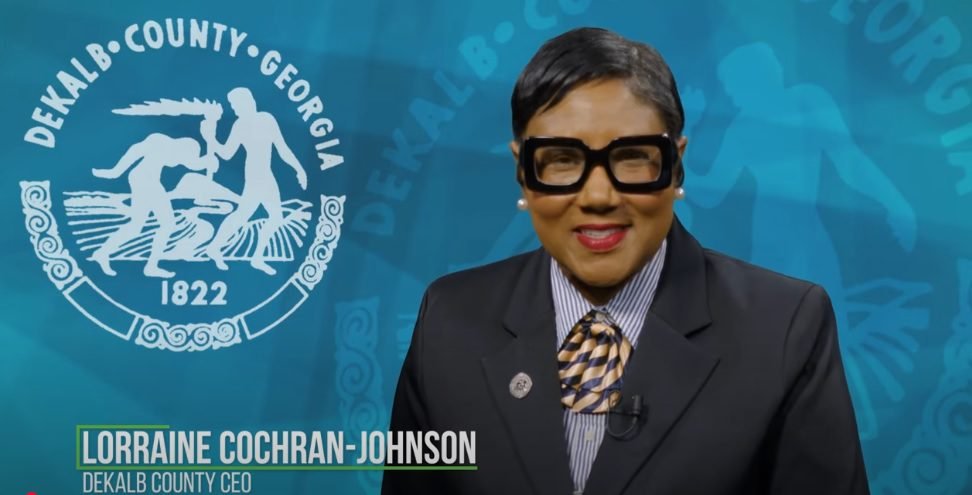
DeKalb County CEO Lorraine Cochran-Johnson announced the hiring event on Wednesday, emphasizing its importance as part of her administration’s commitment to reshaping the county’s future. “This job fair is one of the ways we’re re-imagining DeKalb,” she said. “It is one of the ways we are investing in people and helping them thrive.”
The county currently has more than 500 positions available across various departments. Of those, 250 vacancies are in public safety roles, including positions in police, fire, and emergency services. County representatives will conduct on-site interviews and same-day job offers may be extended to qualified candidates.
The hiring event is a tangible reflection of our broader workforce development strategy, a key focus outlined during Cochran-Johnson’s recent State of the County address. This strategy is our commitment to making DeKalb a model of community-focused governance and innovation, ensuring a bright future for our workforce.
DeKalb County’s government careers page highlights a workplace culture focused on “collaboration, teamwork, and achievement” and welcomes applicants to a workforce that is “diversified and inclusive.” The site is updated weekly with the latest job vacancies, and residents are encouraged to join the DeKalb talent community to stay informed about new opportunities.
Job seekers are encouraged to explore opportunities in various fields, including engineering, sanitation, public safety, customer service, parks and recreation, finance, and public health.
The job fair is a free and inclusive event, open to all members of the public. While registration is required, it’s a simple step to secure a spot and gain early access to job postings and interview information.
The DeKalb County jobs website is updated weekly, and interested candidates can join the county’s talent community to stay informed about future vacancies.
For more information or to register, visit the DeKalb County Job Fair Registration Page. Don’t miss this opportunity to connect with potential employers and explore exciting career opportunities in DeKalb County!
Please consider supporting open, independent journalism – no contribution is too small!
A U.S. attack on Iranian nuclear sites could send oil prices higher, trigger a rush to safety, and impact global markets, inflation, and the U.S. dollar.
Suzanne McGee, Saqib Iqbal Ahmed and Lewis Krauskopf Reuters |June 22, 2025
A U.S. attack on Iranian nuclear sites on Saturday could lead to a knee-jerk reaction in global markets when they reopen, sending oil prices higher and triggering a rush to safety, investors said, as they assessed how the latest escalation of tensions would ripple through the global economy.
The reaction in Middle East stock markets, which trade on Sunday, suggested investors were assuming a benign outcome, even as Iran intensified its missile attacks on Israel in response to the sudden, deep U.S. involvement in the conflict.
U.S. President Donald Trump called the attack “a spectacular military success” in a televised address to the nation and said Iran’s “key nuclear enrichment facilities have been completely and totally obliterated”. He said the U.S. military could go after other targets in Iran if the country did not agree to peace.
Iran said it reserves all options to defend itself, and warned of “everlasting consequences”. Speaking in Istanbul, Iran’s Foreign Minister Abbas Araqchi said Tehran was weighing its options for retaliation and would consider diplomacy only after carrying out its response.
Investors said they expected U.S. involvement would cause a stock market selloff and a possible bid for the dollar and other safe-haven assets when major markets reopen, but also said much uncertainty remained.
“I think the markets are going to be initially alarmed, and I think oil will open higher,” said Mark Spindel, chief investment officer at Potomac River Capital.
“I think the uncertainty is going to blanket the markets, as now Americans everywhere are going to be exposed. It’s going to raise uncertainty and volatility, particularly in oil,” he added.
One indicator of how markets will react in the coming week was the price of ether, the second-largest cryptocurrency and a gauge of retail investor sentiment.
Ether was down 8.5% on Sunday, taking losses since the first Israeli strikes on Iran on June 13 to 13%.
Most Gulf stock markets, however, seemed unconcerned by the early morning attacks, with the main indexes in Qatar, Saudi Arabia and Kuwait up slightly or flat. Israel’s Tel Aviv main index was at an all-time high.
How will oil prices and inflation be affected?
A key concern for markets would center around the potential impact of the developments in the Middle East on oil prices and thus on inflation. A rise in inflation could dampen consumer confidence and lessen the chance of near-term interest rate cuts.
Saul Kavonic, a senior energy analyst at equity research firm MST Marquee in Sydney, said Iran could respond by targeting American interests in the Middle East, including Gulf oil infrastructure in places such as Iraq or harassing ship passages through the Strait of Hormuz.
The Strait of Hormuz lies between Oman and Iran and is the primary export route for oil producers such as Saudi Arabia, the United Arab Emirates, Iraq and Kuwait.
“Much depends on how Iran responds in the coming hours and days, but this could set us on a path towards $100 oil if Iran respond as they have previously threatened to,” Kavonic said.
While global benchmark Brent crude futures have risen as much as 18% since June 10, hitting a near five-month high of $79.04 on Thursday, the S&P 500 has been little changed, following an initial drop when Israel launched its attacks on Iran on June 13.
Jamie Cox, managing partner at Harris Financial Group, said oil prices would likely spike before leveling off in a few days as the attacks could lead Iran to seek a peace deal with Israel and the United States.
“With this demonstration of force and total annihilation of its nuclear capabilities, they’ve lost all of their leverage and will likely hit the escape button to a peace deal,” Cox said.
Economists warn that a dramatic rise in oil prices could damage a global economy already strained by Trump’s tariffs.
Still, any pullback in equities might be fleeting, history suggests. During past eruptions of Middle East tensions, including the 2003 Iraq invasion and the 2019 attacks on Saudi oil facilities, stocks initially languished but soon recovered to trade higher in the months ahead.
On average, the S&P 500 slipped 0.3% in the three weeks following the start of conflict, but was 2.3% higher on average two months following the conflict, according to data from Wedbush Securities and CapIQ Pro.
In the most severe case, global oil prices jump to around $130 per barrel, driving U.S. inflation near 6% by the end of this year, Oxford said in the note.
All eyes on the dollar
An escalation in the conflict could have mixed implications for the U.S. dollar, which has tumbled this year amid worries over diminished U.S. exceptionalism.
In the event of U.S. direct engagement in the Iran-Israel war, the dollar could initially benefit from a safety bid, analysts said.
“Do we see a flight to safety? That would signal yields going lower and the dollar getting stronger,” said Steve Sosnick, chief market strategist at IBKR in Greenwich, Connecticut. “It’s hard to imagine stocks not reacting negatively and the question is how much.”
Jack McIntyre, portfolio manager for global fixed income at Brandywine Global Investment Management in Philadelphia, said it was uncertain whether U.S. Treasuries would rally after the U.S. attack, largely due to the market’s hypersensitivity to inflation.
“This could lead to regime change (which) ultimately could have a much bigger impact on the global economy if Iran shifts towards a more friendly, open economic regime,” said McIntyre.
On average, the S&P 500 slipped 0.3% in the three weeks following the start of conflict, but was 2.3% higher on average two months following the conflict, according to data from Wedbush Securities and CapIQ Pro.
What will this mean for the US dollar?
An escalation in the conflict could have mixed implications for the U.S. dollar, which has tumbled this year amid worries over diminished U.S. exceptionalism.
In the event of U.S. direct engagement in the Iran-Israel war, the dollar could initially benefit from a safety bid, analysts said.
“Do we see a flight to safety? That would signal yields going lower and the dollar getting stronger,” said Steve Sosnick, chief market strategist at IBKR in Greenwich, Connecticut. “It’s hard to imagine stocks not reacting negatively and the question is how much. It will depend on Iranian reaction and whether oil prices spike.”
Please consider supporting open, independent journalism – no contribution is too small!
MARTA adopts $1.55B FY 2026 budget, funding safety, new trains, a better fare system, and expanded projects without raising fares.
Biggest Changes Since Authority Was Founded
By Milton Kirby | Atlanta, GA | June 12, 2025
The MARTA Board of Directors has approved a bold redesign of the region’s entire bus system. Called the NextGen Bus Network, it’s the most significant overhaul since MARTA began.
The new plan, set to launch in late 2025, promises to revolutionize bus service across metro Atlanta. It’s designed to be faster, simpler, and more reliable, with over 100 routes restructured to serve a larger number of people and better connect them to jobs, hospitals, and grocery stores.
“This is a major step toward a more equitable and rider-focused transit system,” said MARTA CEO Collie Greenwood. “It’s built from the voices of the people we serve.”
Key Changes
Frequent service routes will increase from 5 to 17.
The 20-minute service will be expanded to 11 routes.
Twelve new on-demand zones will be added for flexible trips.
Every route will run seven days a week.
Bus routes will be simplified from 113 to 81.
Riders will benefit from more frequent, reliable, and easier-to-understand service.
MARTA says the new plan will triple the number of people with access to frequent service—defined as buses arriving every 15 minutes or less. More people will live near transit that runs every 30 minutes or better.
Who Benefits?
The redesign is a testament to MARTA’s commitment to equity, ensuring that all residents, regardless of their location or income, have access to improved transit services.
+6% more people will live near a MARTA bus stop.
+11% increase in minority residents near transit.
+7% increase in low-income residents served.
+22% more jobs reachable within 60 minutes.
+31% more hospitals reachable in an hour.
The plan also makes it easier to transfer between routes. New transfer points will feature scheduled connections and upgraded stops.
Built on Public Feedback
The plan took four years of planning. MARTA held more than 60 public meetings and gathered over 15,000 survey responses. Community voices played a key role, especially from low-income and minority neighborhoods.
What’s Next?
With the board’s final approval, MARTA will now begin to prepare for the official launch in late 2025.
To learn more and view new route maps, visit martanextgenbusnetwork.com
MARTA adopts $1.55B FY 2026 budget, funding safety, new trains, a better fare system, and expanded projects without raising fares.
System Investments Move Forward Without Fare Increase
By Milton Kirby | Atlanta, GA | June 12, 2025
The Metropolitan Atlanta Rapid Transit Authority (MARTA) Board of Directors has adopted a balanced $1.55 billion Fiscal Year 2026 budget that maintains steady fares and funds major infrastructure upgrades focused on safety, cleanliness, and reliability.
This milestone, marking MARTA’s 14th consecutive balanced budget, not only reaffirms its top-tier credit ratings—AAA and AA+—but also underscores the agency’s unwavering fiscal responsibility in the face of rising operational costs. This achievement should instill confidence in our stakeholders and the public about MARTA’s financial stability.
“We had to tighten our belt this year, but we remain committed to growing ridership and making good on commitments to our jurisdictional partners,” said MARTA Board Chair Jennifer Ide. “By keeping safe, clean, and reliable as our north star, we were able to focus on necessary system improvements while remaining good stewards of public money.”
The FY 2026 plan includes $652 million in operating funds and $901.8 million in capital funding. MARTA General Manager and CEO Collie Greenwood emphasized the transformative nature of the coming year.
“The next fiscal year will be one of incredible improvement, with systemwide once-in-a-generation investments that ensure a safer, cleaner, more reliable MARTA,” Greenwood said. “Customers will see new state-of-the-art railcars, a better, more flexible Breeze system, and an entirely redesigned bus network that increases service frequency.”
Major Investments Rolling Out
Key budget items include:
$115 million for new trains, with the first set to enter service this fiscal year.
$104 million to implement a next-generation fare system.
Nearly $50 million for MARTA’s Station Rehabilitation Program, which upgrades safety and customer experience at all 38 stations.
MARTA’s capital projects span multiple jurisdictions and neighborhoods. In Atlanta, the agency is advancing construction on the Rapid A-Line through Summerhill and the transformation of the dramatic Five Points Station. Projects such as the Bankhead Station platform extension and the Cleveland/Metropolitan Avenue Arterial Rapid Transit (ART) are also in development.
In Clayton County, the investment will support Southlake and SR54 Rapid lines, as well as the Clayton County Operations and Multipurpose Facility and a Justice Center transit hub.
Budget Breakdown
A significant portion of MARTA’s funding comes from local sales tax revenue, projected to exceed $400 million in FY 2026. Farebox revenue and federal assistance comprise the following most significant sources, totaling $155 million.
The operating budget covers a 3% salary increase for non-represented employees and honors all collective bargaining agreements. Rising healthcare and pension costs are also accounted for, and a net reduction of 191 positions—mostly unfilled—helps control expenses without impacting service delivery
.
Looking Ahead
MARTA’s redesigned bus network and new railcars are poised to reshape the rider experience. The enhanced Breeze fare system will offer more flexibility and convenience. Leaders say these improvements are designed not only to modernize MARTA’s infrastructure but also to restore and grow ridership.
To view the full FY 2026 Operating and Capital Budgets, visit itsmarta.com.
Southwest Airlines ends free checked bags, now charging $35 for the first and $45 for the second—a major shift impacting budget travelers and loyalty perks.
By Milton Kirby | Atlanta, GA | June 3, 2025
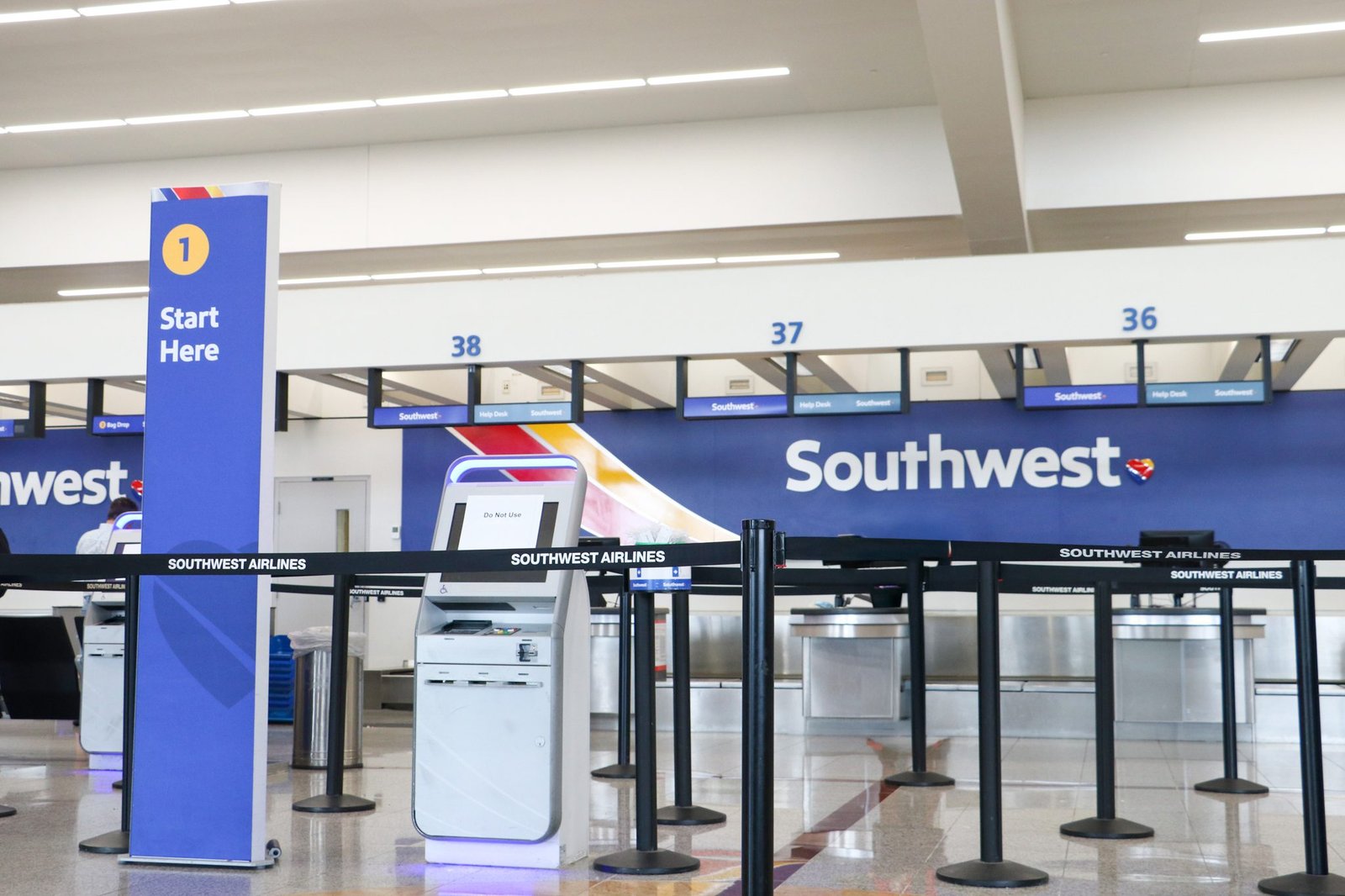
Southwest Airlines is no longer letting two bags fly free.
As of May 28, the popular budget carrier has officially ended one of its most beloved customer perks. For decades, the airline’s “bags fly free” policy was a hallmark of its friendly, no-frills service. Now, that tradition has come to an end—bringing new costs and questions for travelers.
From Beloved Benefit to Baggage Fees
Southwest’s policy change comes as part of a broader set of reforms aimed at boosting profits and attracting new customer segments. Under the new rules, most passengers will now pay $35 for their first checked bag and $45 for the second. For a round-trip flight, that’s an extra $160 for those carrying two bags.
This hits particularly hard for vacationers—especially skiers. In the past, a ski bag and boot bag counted as one item. Now, travelers must pay for each checked item separately unless they qualify for a waiver through their loyalty status or fare class.
New Fare Structure, More Fees
Southwest has also introduced a new “Basic” fare, mimicking competitors. This lower-cost tier removes flexibility—no refunds, no changes. Passengers seeking flexibility must upgrade to the “Wanna Get Away Plus” fare, which adds $35 each way. A traveler who wants flexibility and two checked bags now faces up to $230 in added costs for a round-trip flight.
The airline defends the changes as part of a strategy to offer more choices. “We will do all this while remaining focused on what’s made us strong—our People and our authentic, friendly service,” said CEO Bob Jordan in a March press release.
Who Still Gets Bags for Free?
Not everyone will be charged for bags. A-List Preferred members and Business Select fare holders continue to receive two free checked bags. A-list members get one. Rapid Rewards credit cardholders can check one bag free of charge.
The Department of Transportation reported that in 2024, Southwest earned $83 million in baggage fees from customers with three or more bags—even without charging for the first two. With this change, fee revenue is expected to rise significantly.
Loyalty Program and Perks Also Shift
Southwest’s Rapid Rewards program is also evolving. The airline has started offering more points for higher fare classes and fewer points for lower tiers, such as Wanna Get Away. Points redemption will now vary depending on demand.
Other new features include:
Assigned seating (a first for Southwest)
Premium legroom options
A growing list of international partnerships, including Icelandair and China Airlines
A rollout of in-seat power, faster Wi-Fi, and new cabin interiors on the Boeing 737 MAX 8 fleet
A History of LUV
Founded in 1966, Southwest made its name flying between Dallas, San Antonio, and Houston. It offered no assigned seats, free checked bags, and famously lighthearted service. “LUV” became the airline’s stock symbol—and unofficial brand.
The change marks a major evolution from the company’s roots. While the airline says it’s “honored to have you join us on this transformational journey,” many longtime fans feel left behind.
“I remember the Love Machines and friendly flight crews,” said another frequent flyer. “Now it just feels like every other airline.”
Southwest says it remains focused on operational excellence. In 2025, it leads U.S. airlines in on-time performance and has avoided most cancellations.
Still, for everyday travelers used to packing without penalty, the new baggage fee era may take some getting used to.
Please consider supporting open, independent journalism – no contribution is too small!
TitleMax must face trial in North Carolina over predatory title loans. Federal and state actions expose illegal practices targeting consumers, including military families.
By Milton Kirby | Atlanta, GA | June 4, 2025
A major legal blow has been dealt to TitleMax, a prominent auto title lending company, as a federal judge in North Carolina has ruled that the company must stand trial for allegedly exploiting consumers through high-interest loans and deceptive practices.
This decision comes just months after the Consumer Financial Protection Bureau (CFPB) announced a sweeping enforcement action against TitleMax and its parent company, TMX Finance LLC. That order, released on February 23, found the company guilty of violating the Military Lending Act (MLA) by charging military families triple the legal interest rate cap of 36% and concealing their status to sidestep federal protections.
In North Carolina, dozens of plaintiffs—most of whom are residents—allege that TitleMax issued car title loans with illegal interest rates, failed to disclose that such loans were unlawful under state law, and employed deceptive business tactics in violation of North Carolina’s Consumer Finance Act and the Unfair and Deceptive Trade Practices Act. These claims prompted TitleMax to file a motion to dismiss the case, arguing that the state had no personal jurisdiction over the company. U.S. District Judge Loretta C. Biggs disagreed.
In a 15-page ruling, Judge Biggs found that TitleMax intentionally reached into North Carolina to advertise and solicit business from residents via television, radio, and the internet. The company even recorded liens with the North Carolina Department of Motor Vehicles—acts the court found to be “continuing obligations” that tied the company to the state.
“The relationship between the defendant, the forum, and the litigation must arise out of contacts that the ‘defendant himself’ creates,” Biggs wrote, referencing U.S. Supreme Court precedent. The court concluded that TitleMax’s actions met the threshold for “minimum contacts,” allowing North Carolina courts to exercise specific jurisdiction.
The plaintiffs’ case has now cleared a major procedural hurdle and will proceed toward trial. The ruling also denied TitleMax’s request to transfer the case to district courts in states such as Virginia, South Carolina, and Georgia, where the loans were physically executed. Judge Biggs emphasized the importance of judicial efficiency and the plaintiffs’ right to have the case heard collectively in their home state.
This is not TitleMax’s first brush with regulators. The CFPB previously penalized the company in 2016 for misleading consumers about loan repayment options and using aggressive debt collection tactics. That earlier case resulted in a $9 million fine.
In the most recent CFPB enforcement action, TitleMax was ordered to pay over $5 million in restitution to affected consumers and an additional $10 million civil penalty. The Bureau alleged that the company doctored the records of military borrowers to avoid detection and charged illegal fees for an insurance product that provided no actual coverage.
Between 2016 and 2021, TitleMax issued at least 2,670 illegal loans to military families and imposed unlawful fees on roughly 15,000 loans. These practices directly violated the MLA, a law Congress passed in 2006 after a Department of Defense report showed how predatory lending undermines troop morale and military readiness.
Auto title loans, such as those offered by TitleMax, are short-term, high-cost loans secured by a borrower’s vehicle title. Borrowers who can’t repay risk losing their car, and many end up in a cycle of debt that impacts their ability to pay for basic needs like housing, food, and healthcare.
TitleMax currently operates more than 1,000 locations across 18 states and claims to serve
thousands of customers daily. Its headquarters is in Savannah, Georgia.
Military families and consumers who believe TitleMax or other lenders have wronged them can submit complaints at www.consumerfinance.gov or call (855) 411-CFPB. Employees aware of violations are encouraged to contact the Bureau at whistleblower@cfpb.gov.
The North Carolina case—America Washington et al. v. TitleMax of Virginia et al.—may prove pivotal in expanding how states can hold out-of-state lenders accountable for practices that harm their residents.
Please consider supporting open, independent journalism – no contribution is too small!
Major changes are coming to Atlanta’s busiest transit hub. Beginning June 6, MARTA will close three Five Points Station entrances and relocate key customer services as part of a $230 million transformation project aimed at revitalizing downtown transit and enhancing rider experience.
By Milton Kirby | Atlanta, GA | May 30, 2025
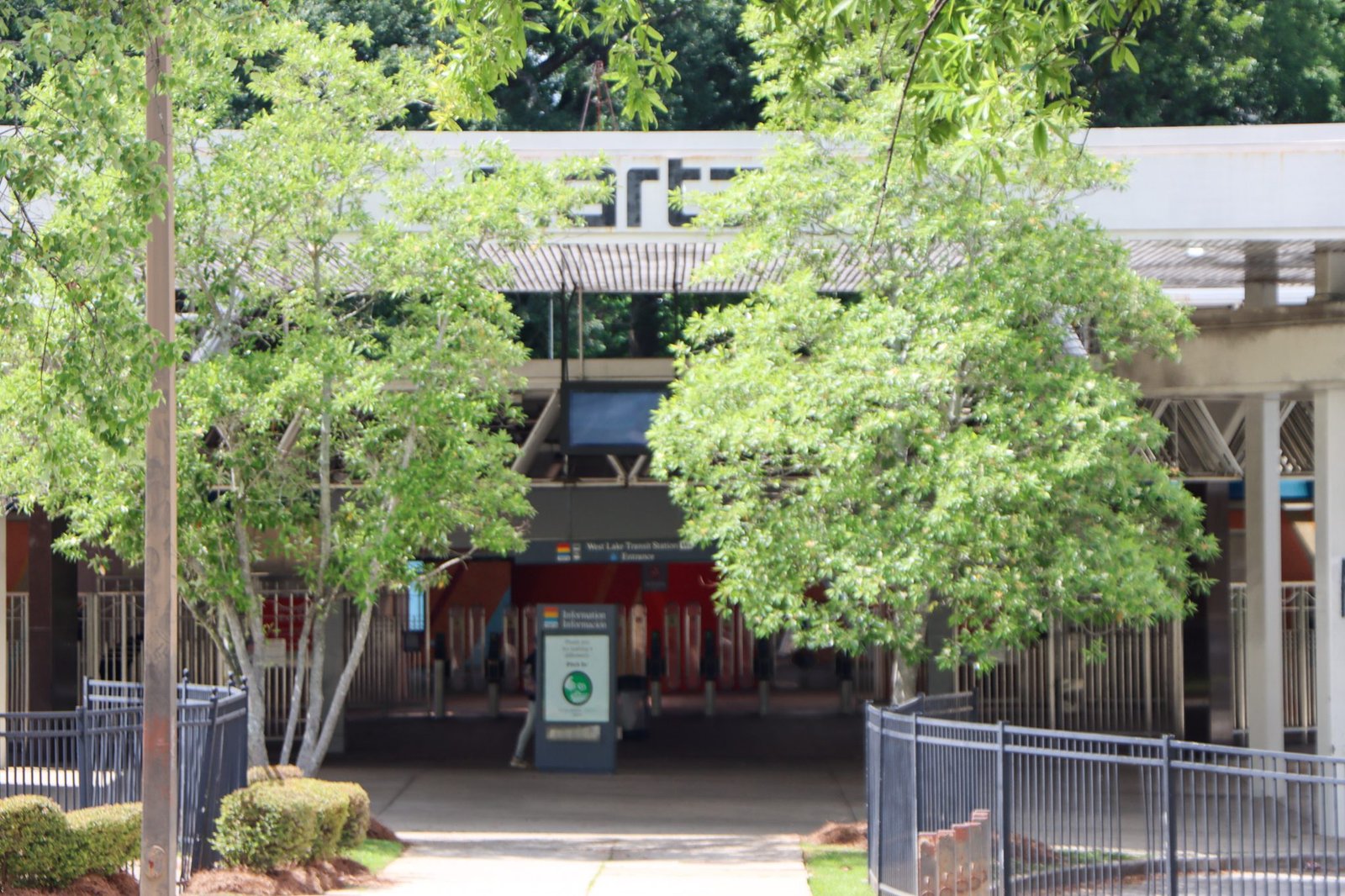
Atlanta’s central transit hub is about to undergo a significant transformation. On June 6, the Metropolitan Atlanta Rapid Transit Authority (MARTA) will commence the next phase of its $230 million Five Points Station overhaul, which will result in several service disruptions and relocations affecting daily commuters.
What’s Closing?
At the close of service on Friday, June 6, three main entrances to the Five Points Station—Alabama Street, Broad Street Plaza, and Peachtree Street—will shut down. However, Forsyth Street will remain open with both street-level and elevator access.
Several station amenities are also affected. Restrooms will close at the station; however, MARTA is directing customers to nearby facilities at the GWCC/CNN Center, Peachtree Center, Georgia State, and West End stations. Other closures include the MARTA Market, StationSoccer, and the tunnel to the federal building.
Customer Services on the Move
Key MARTA customer service offices will relocate starting June 6:
Lost & Found will operate by appointment only. Riders can call 404-848-3208 or email lostandfound@itsmarta.com .
Reduced Fare Services will move to MARTA headquarters at 2424 Piedmont Road NE, open weekdays from 8:30 a.m. to 5 p.m.
RideStore services will continue at the Airport Station, with an additional location to be announced.
MARTA Police will relocate to Ashby Station in the future but will continue to maintain patrols at Five Points.
MARTA HOPE will relocate, though its new site has not yet been announced.
Downtown Bus Detours Already in Effect
Ahead of the June 6 changes, MARTA rerouted some Downtown bus service on May 17. Currently, only the following routes still stop on Forsyth Street near Five Points:
Routes: 3, 21, 40, 49, 55, 107, 186, 813
Other routes now terminate at alternate stations:
Georgia State Station: Routes 21, 42, 49, 55, 107, 186
King Memorial Station: Routes 26, 813, 899
Civic Center Station: Route 816
MARTA advises riders to check with regional partners CobbLinc, Ride Gwinnett and Xpress for any schedule changes resulting from this project.
A Bold Vision for the Future
The Five Points Transformation Project aims to revitalize the heart of Atlanta’s transit system. The initial work involves removing the aging concrete canopy. Future phases will include a new canopy design, a centralized bus hub, enhanced pedestrian access to Broad Street, public art, green spaces, and community gathering areas.
Funded through the More MARTA Atlanta half-penny sales tax, the $230 million project also includes $13.8 million in state funding and a $25 million Federal RAISE Grant. Additional funding comes from MARTA’s core penny sales tax.
ICRA 2025 in Atlanta broke records and barriers, featuring lifelike humanoids, art-powered robotics, and global tech leaders pushing the field into the future.
By Milton Kirby | Atlanta, GA | May 27, 2025
The 2025 IEEE International Conference on Robotics and Automation (ICRA 2025) concluded on May 23, following a week of groundbreaking research, dazzling robot demonstrations, and global collaboration. Hosted in Atlanta’s Georgia World Congress Center, this year’s ICRA was the largest in the event’s history, drawing more than 7,000 participants, 141 exhibitors, and hundreds of educational institutions and tech companies from around the world.
Organized by the IEEE Robotics and Automation Society, ICRA is recognized as the world’s premier robotics event. It combines academic research, industrial innovation, and community networking to explore how robots are shaping our world today—and what’s coming next.
Hands-On with the Future: Robots Take Center Stage
The exhibition floor at ICRA 2025 transformed into a living showcase of tomorrow’s technology. Spanning 235,000 square feet, it buzzed with live demonstrations of cutting-edge robots—from lifelike humanoids to four-legged machines designed for rescue, research, and even barista work.
Boston Dynamics drew a steady crowd with its agile quadruped robot, Spot. Measuring approximately 43 inches long and weighing 72 pounds, Spot is already being utilized in industries such as power generation, petroleum, and pet food manufacturing. At ICRA, Spot wowed attendees by navigating around obstacles, self-correcting after falls, and showcasing its ability to operate independently. It charges itself, re-routes when paths are blocked, and carries up to 14 kilograms of custom equipment. With more than 1,500 Spots already in the field, the robot’s user-friendly interface and powerful API make it ideal for hazardous inspections and industrial monitoring.
Unitree’s G1 humanoid robots also made headlines. These compact androids, standing 52 inches tall and weighing 77 pounds (including their battery), mimic the structure of a human body—complete with a head, torso, rotating arms, elbows, wrists, fingers, and legs with hip, knee, and ankle joints. The units even wore shoes for their performance. In a playful yet impressive demonstration, two G1s donned boxing gloves and engaged in a mock match, reacting to punches and showcasing their ability to regain balance after being hit. With approximately two hours of battery life and an AI-driven control system, the G1 demonstrated just how close humanoid robots are to mastering complex, real-world movements.
Nearby, Rainbow Robotics of South Korea showcased its RB-Y1 humanoid platform. This research-friendly bot features multiple control options, including a joystick, VR headset, and master arm system. The company also introduced a Mecanum Wheel System for 360-degree movement in tight spaces. RB-Y1 has already attracted users from top institutions, including MIT, UC Berkeley, Georgia Tech, and the University of Washington. Its flexible software development kit (SDK) enables researchers to tailor the robot for AI projects by utilizing grippers, LiDAR, and IMUs. Rainbow’s exhibit, supported by its US subsidiary in Chicago, reinforced the company’s growing global presence.
The MAB Honey Badger team returned with their latest version of a rugged quadruped robot: the HB4.0. Developed over nearly a decade, this legged robot has been field-tested in challenging environments and is now being deployed by customers for real-world applications. Designed for durability and agility, the Honey Badger is built to navigate rugged terrain where wheels and tracks fail.
On the more delightful side of robotics, Artly AI presented its Barista Bot, built not just to serve coffee but to do it with craftsmanship. Using deep learning and imitation-based training, Artly’s robots learn directly from human baristas. They recognize tools, follow quality checks at each brewing step, and produce consistently perfect drinks. The bots can be bought for $80,000 or leased starting at $2,650 per month. Artly’s mission isn’t to replace human baristas—but to honor and preserve the fine art of coffee-making, bringing café-quality service to airports, malls, and workplaces.
The exhibition area also featured The Gecko, a robot named for its sticky-footed namesake. With specialized grip pads and adaptive gait, The Gecko is designed for wall and pipe inspections, particularly in environments that are hazardous or difficult for humans to access. Its unique ability to navigate vertical or irregular surfaces has made it a favorite among research teams focused on infrastructure monitoring and maintenance.
Altogether, ICRA 2025’s exhibition floor was more than a tech showcase—it was a window into a world where robots not only support human work but do so with agility, precision, and even a touch of personality.
Where Arts and Engineering Meet
ICRA 2025 didn’t just showcase technology—it celebrated creativity. The growing “Arts in Robotics” program provided a unique perspective on how machines and art intersect. From choreography to sculpture and painting to costume design, the fusion of expression and engineering is redefining what robots can do.
This year’s events included live performances, juried art sessions, and workshops exploring motion planning in dance, haptics in clothing, and other related topics. It’s part of a larger trend: using robots not just as tools but as partners in human expression.
Powered by People: Global Collaboration and Education
ICRA 2025 featured over 2,000 paper presentations across 24 tracks, along with plenary talks and 52 keynote sessions. The conference also included workshops on robot ethics, robotics in Africa, and undergraduate education. Satellite conferences around the globe allowed remote participation, making this the most inclusive ICRA yet.
Top schools from around the world were well-represented. Gabrielle Madison says, “The A. James Clark School of Engineering of the University of Maryland (CSE) is a great place to get graduate engineering degrees in robotics. Our graduate engineering programs are run in conjunction with the nationally recognized Maryland Robotics Center.”
The CSE offers a Graduate Certificate in Engineering program in Robotics, which can be completed in as little as two years. The certificate credit can be applied to a Master of Engineering degree.
Graduates of the program have been placed in jobs such as software developer, robotics operator, sales engineer, robotics engineer, electrical maintenance engineer, process engineer and machine learning specialist. Some of their top student employers have included Accenture, Cognizant Technology Solutions, the US Department of Defense, H-Tech Engineers, Infosys Ltd., Naval Air Systems Command, Raytheon, and the US Navy.
Networking groups like Black in Robotics, LatinX in Robotics, and Queer in Robotics held events to strengthen community and inclusion in the field.
Jobs, Automation, and the Road Ahead
As robotics continues to advance, it brings both opportunity and disruption. According to the World Economic Forum, while 85 million jobs may be displaced by automation by 2025, 97 million new ones could emerge—if workers can reskill. McKinsey estimates that 375 million workers may need to change careers by 2030.
The robotics industry is expected to reach $73 billion globally by 2029. In the US, jobs for robotics engineers are projected to grow by 3.3% over the next decade, with thousands of new roles across fields.
Industries driving this growth include:
Manufacturing: Cobots are speeding up assembly lines.
Healthcare: Robots assist in surgery and elder care.
Logistics: Autonomous bots are transforming warehouses.
Aerospace & Defense: Drones and robotic suits are under development.
Agriculture: Robots help with planting, sorting, and packaging.
Top careers in robotics include:
Robotics Engineer – $95,300/year
Software Developer (Robotics) – $122,386/year
Electromechanical Technician – $76,543/year
AI Specialist – $101,428/year
Educational paths range from two-year associate degrees for technicians to master’s programs for advanced engineers. Bootcamps and certifications also offer fast-track options for those entering the field.
Robotics Replacing the “Three Ds”
Many robots are now being used to take over jobs that are dull, dirty, or dangerous—reducing risks and improving productivity. Tasks such as bomb disposal, sewer inspections, and repetitive factory work are increasingly being handled by machines. A fourth “D” often added is “Dear”—jobs that are simply too expensive when done by humans.
Still, jobs that require emotional intelligence, creativity, and complex decision-making—such as those of teachers or therapists—remain less likely to be automated.
Looking Ahead
The energy at ICRA 2025 was electric. The blend of technical innovation, artistic collaboration, and career development made it a must-attend event for anyone in the robotics field.
Next year’s ICRA conference will take place in Vienna, Austria, from June 1 to 5, 2026. If this year was any sign, the future of robotics is not only bright—it’s inclusive, expressive, and globally connected.
Please consider supporting open, independent journalism – no contribution is too small!
Tommy Holder, Chairman of Holder Construction, will receive the 2025 Four Pillar Award for leadership, vision, and lasting impact on Atlanta’s skyline and community.
By Milton Kirby | Atlanta, GA | May 22, 2025
The Council for Quality Growth has named Thomas M. “Tommy” Holder, Chairman and Former CEO of Holder Construction, as the 36th recipient of its prestigious Four Pillar Tribute and Award. The recognition celebrates Holder’s decades of leadership, commitment to the Atlanta community, and his company’s impact on the region’s skyline and economy.
Each year, the Four Pillar Award honors an individual who embodies the Council’s core values of Quality, Responsibility, Vision, and Integrity—traits that define both the honoree and the organization’s mission of promoting balanced growth across metro Atlanta. This year’s tribute theme—Opportunity – Empowerment – Integrity—was chosen by Holder to reflect the values that guided his leadership.
“The Holder name is engrained in the way Atlanta has grown and developed,” said Michael E. Paris, President & CEO of the Council for Quality Growth. “Tommy’s leadership and vision can be witnessed from every corner of this region and across the country.”
The tribute event will take place on October 16, 2025, at the Georgia World Congress Center, with presenting sponsorship from Delta Air Lines, Georgia Power, and Norfolk Southern.
Building Atlanta, One Landmark at a Time
Tommy Holder’s story begins in Atlanta, where he attended The Lovett School before earning his degree from Georgia Tech. In 1976, he joined Holder Construction, the firm founded by his father, Robert Holder, in 1960. After climbing the ranks, Tommy became President and CEO in 1989 and Chairman and CEO in 1997. He served as CEO until 2021 and remains Chairman today.
Under his leadership, Holder Construction transformed into a national powerhouse with eight offices and projects in over 30 states. The company now generates more than$8 billion in annual revenue.
Some of the most recognizable buildings in Atlanta bear Holder Construction’s imprint—including Mercedes-Benz Stadium, NCR Global Headquarters, the New World of Coca-Cola, the National Center for Civil and Human Rights, and Georgia Tech Square.
Beyond Georgia, Holder Construction’s portfolio includes the Devon Energy Center in Oklahoma City, Apple Park in Cupertino, and over 400 data centersfor global clients like Google, Amazon, and Verizon.
“We are fortunate to work among the most sophisticated architects and structural engineers in the world,” said Holder. “Each project is a reflection of our team’s commitment to quality, innovation, and collaboration.”
A Legacy of Leadership and Service
While his construction projects have reshaped cityscapes, Holder has also built a legacy of service. He chairs the Georgia Tech Foundation and serves on the boards of the Metro Atlanta Chamber of Commerce and Georgia Power Company. He is a former board chair of Children’s Healthcare of Atlanta, a past president of the Rotary Club of Atlanta, and Chair Emeritus of the Georgia Historical Society.
He has also supported the Cathedral of St. Philip, most recently contributing to the design and construction of the new Good Faith Chapel.
“Tommy’s dedication to our community and the built environment speaks volumes about the kind of leader he is,” said Clyde Higgs, 2025 Chairman of the Council for Quality Growth and CEO of the Atlanta BeltLine. “His influence on Atlanta will be felt for generations.”
A Celebration of Visionaries
The Four Pillar Tribute, now in its 36th year, is widely considered metro Atlanta’s highest honor for civic and business leadership. Past honorees include Ambassador Andrew Young, Arthur M. Blank, Governor Nathan Deal, Dan Cathy, and the Herman J. Russell Family.
The Council encourages community and business leaders to attend this year’s gala and join in recognizing Holder’s contributions. Sponsorship and event details are available at www.FourPillarTribute.com.
“I am humbled to be part of a legacy that includes so many inspiring leaders,” said Holder. “Atlanta has given so much to me and my family, and I’m grateful for the chance to give back through our work.”
About the Council for Quality Growth
Founded over 40 years ago, the Council for Quality Growth is a trade organization dedicated to ensuring sustainable growth and economic prosperity across metro Atlanta and Georgia. Through advocacy, education, and collaboration, the Council works with local governments and private stakeholders to address critical infrastructure and quality-of-life challenges.
By Riley Beggin, USA TODAY Washington, DC | May 22, 2025
Americans could see major changes to Medicaid, food stamps, border security and taxes under a sweeping Republican bill that passed the U. S. House early on May 22.
The proposal, which President Donald Trump has dubbed the “big, beautiful bill,” would enact Trump’s major campaign promises like eliminating taxes on workers’ tips and overtime and is likely to be one of the most significant pieces of legislation that will be passed during his second term in the Oval Office.
It passed the House 215-214, with all Democrats and two Republicans – Reps. Th Thomas Massie of Kentucky and Warren Davidson of Ohio – voting against it after a marathon all-night debate. Republicans had only three ‘no’ votes to spare in the closely-divided House.
As recently as May 20, it wasn’t clear House Republicans would be able to get the bill endorsed by Trump across the finish line.
A handful of Republicans from primarily Democratic states were holding out on raising a tax deduction cap that would benefit their constituents, while fiscal conservatives remained concerned about the cost of the legislation, which is expected to add around $3.3 trillion to the deficit over the next 10 years. The tax plan has rattled stock markets in recent days as investors worry about the ballooning debt.
Trump met personally with the GOP conference that morning, urging them to stop pushing for more changes and get behind the bill. “Failure is simply not an option,” House Speaker Mike Johnson, R-Louisiana, said after the meeting.
House vote count on Trump tax bill
After several marathon days of negotiations, including a May 21 meeting at the Trump White House, Republican leadership made additional changes and enough lawmakers came on board to pass it.
“What we’re going to do here this morning is truly historic, and it will make all the difference in the daily lives of hard working Americans,” Johnson said in a floor speech shortly before the bill passed.
Apart from Massie and Davidson, three other Republicans did not vote in support of the legislation. Rep. Andy Harris, R-Maryland, voted present, which would have effectively been an opposition vote if the rest of the lawmakers had tied. Harris is the chairman of the ultra-conservative House Freedom Caucus, which sought greater cuts in spending in the package.
Reps. David Schweikert of Arizona and Andrew Gabarino of New York missed the vote entirely.
Democrats have slammed the bill as a giveaway to the wealthy at the expense of people who benefit from social safety net programs like Medicaid and SNAP.
“This is one big, ugly bill that House Republicans are trying to jam down the throats of the American people under the cover of darkness,” House Minority Leader Hakeem Jeffries, D-New York, said on the House floor in an early morning speech before the final vote.
Still, it has a long way to go before it becomes law. The bill will next go to the Senate, which has already made clear that it plans to make changes. If that happens, the two chambers would still have to hash out the details capable of winning majority votes before they can send it to Trump’s desk to be signed into law.
The clock is ticking: Treasury Sec. Scott Bessent warned that the U.S. is likely to hit the debt ceiling in August, and urged lawmakers to finalize the package – which raises the debt ceiling by $4 trillion – before leaving for their summer recess at the end of July.
Trump urges Senate to act swiftly on bill
Trump commended the House passage of the legislation and urged quick Senate action by highlighting priorities such as no taxes on tips, overtime or interest on loans for American-made cars.
He also cited tougher border security measures such as pay raises for Immigration and Customs Enforcement and Customs and Border Protection agents.
Trump chided Democrats for opposing the measure and supporting “Open Borders” and transgender participants in women’s sports.
“Now, it’s time for our friends in the United States Senate to get to work, and send this Bill to my desk AS SOON AS POSSIBLE!” Trump said in a social media post. “There is no time to waste.”
What is in the bill?
The sweeping House bill is expected to touch many corners of American life, from their wallets and healthcare to the southern border and the national debt.
The 2017 Tax Cuts and Jobs Act, which lowered income tax rates for all income groups but disproportionately benefitted the highest earners, is set to expire at the end of 2025. The bill would make those tax rates permanent at an expected cost of more than $2 trillion over the next 10 years.
No taxes on tips and overtime
The bill would also implement temporary tax breaks for tipped wages and overtime, create a new temporary deduction for the interest on loans for American-made cars, and create a new tax deduction for people over age 65. Children under 8 years old could also benefit from a new “Trump” savings account seeded with $1,000 from the federal government.
7.6 million would lose Medicaid
Medicaid, the program that provides health insurance to more than 71 million low-income Americans, would undergo big changes. That includes new work requirements for adults enrolled in Medicaid expansion beginning in December of 2026, more frequent eligibility checks, and disincentives for states to cover unauthorized migrant children, among other provisions.
Collectively, the Medicaid proposal would save at least $625 billion and cause 7.6 million Americans to lose their health insurance over the next 10 years, according to initial estimates by the nonpartisan Congressional Budget Office.
Trump warned Republicans who wanted to squeeze additional changes out of the health insurance program, telling them “Don’t f‒‒‒ around with Medicaid,” at a May 20 meeting.
The proposal would also implement new requirements in the Supplemental Nutrition Assistance Program, known as SNAP or food stamps, which provides assistance to around 42 million Americans. That would save up to $300 billion over the next ten years and shift more of the cost of the program to states.
Big spending on border security, missile defense
The bill would put more than $140 billion toward Trump’s plan to crack down on illegal immigration, including $50 billion for a border wall, $45 billion for detention centers, $8 billion for immigration officers and $14 billion for deportations.
It would also put around $150 billion toward defense spending, including $20 billion that would go, in part, to creating a “Golden Dome” missile defense system that Trump has promoted.
Blue state tax benefits, green energy, vouchers
Residents of high-tax states like New York, California and New Jersey making under $500,000 will be able to claim a deduction of up to $40,000 on their federal returns for taxes paid to their state and local governments – which those holdout lawmakers pushed up from the initially-proposed $30,000. Right now, the cap on that deduction is $10,000.
The bill would eliminate several green energy provisions passed under former President Joe Biden, such as tax credits for electric vehicles and renewable energy, and would accelerate permitting for fossil fuel projects.
Families could use new vouchers collectively worth billions dollars for education outside of public schools, such as for private schools, parochial schools or homeschooling. Meanwhile, private universities could face new taxes for large endowments.
Contributing: Bart Jansen
Please consider supporting open, independent journalism – no contribution is too small!