Council for Quality Growth to Honor Tommy Holder with 2025 Four Pillar Tribute

By Milton Kirby | Atlanta, GA | October 10, 2025

Atlanta to Celebrate a Legacy of Leadership

More than 1,400 business and civic leaders will gather Thursday, October 16, 2025, to honor Tommy Holder—Chairman and former CEO of Holder Construction—at the Council for Quality Growth’s 36th Annual Four Pillar Tribute.
The black-tie-optional gala begins at 6 p.m. with a cocktail reception, followed by dinner and a formal program in the Georgia Ballroom of the Georgia World Congress Center.

The tribute, presented by the Arthur M. Blank Family Foundation, Delta Air Lines, Georgia Power, and Norfolk Southern, recognizes Holder’s lifetime of leadership and civic engagement that has shaped Atlanta’s skyline and business community.


Program Highlights

Governor Brian P. Kemp will share remarks via video, with Atlanta Mayor Andre Dickens delivering the evening’s welcome. The invocation will be offered by the Very Reverend Sam Candler of the Cathedral of St. Philip.
Doug Hertz, Chairman and CEO of United Distributors and a 2020 Four Pillar honoree, will serve as master of ceremonies.

Tribute speakers will highlight the event’s guiding values—Quality, Responsibility, Vision, and Integrity—through reflections from:

  • Beth Lowry, President & CEO, Holder Construction
  • Donna Hyland, CEO, Children’s Healthcare of Atlanta
  • Dr. Ángel Cabrera, President, Georgia Institute of Technology
  • The Very Reverend Sam Candler, Dean, Cathedral of St. Philip

Musical performances will feature a 60-piece Georgia Tech Yellow Jacket Marching Band ensemble and Atlanta-native Slater Nalley, a 2025 American Idol finalist.
Other featured speakers include Clyde Higgs, President and CEO of Atlanta BeltLine Inc. and current Council Chairman, and Michael E. Paris, President and CEO of the Council for Quality Growth.


Continuing a 36-Year Tradition

The Four Pillar Tribute has become one of Atlanta’s most prestigious honors, celebrating leaders who embody the Council’s mission of balanced and responsible growth.
Each year’s honoree is recognized for upholding the Four Pillars of Leadership—Quality, Responsibility, Vision, and Integrity—principles that mirror Holder’s career and community impact.

Founded in 1985, the tribute event provides a platform for the region to celebrate the individuals whose work advances economic development and quality of life across Georgia.


Event Details

  • Date: Thursday, October 16, 2025
  • Time: 6 p.m. Cocktail Reception | 7:15 p.m. Dinner & Tribute
  • Location: Georgia World Congress Center, Georgia Ballroom
  • Attire: Black-tie optional
  • Tickets: Available at www.FourPillarTribute.com
  • Parking: $10 in Red and Orange Decks (gwcc.parkingguide.com)
  • Press RSVP: Anna Frances Gardner | ag@councilforqualitygrowth.org | 770-813-3388

About the Council for Quality Growth

For four decades, the Council for Quality Growth has championed policies that support responsible development, infrastructure investment, and economic vitality throughout metro Atlanta and Georgia. Its members include leaders from construction, engineering, real estate, and public service who work together to promote balanced growth for future generations.
Learn more at www.councilforqualitygrowth.org.

Please consider supporting open, independent journalism – no contribution is too small!

Five Points MARTA Station to Close Peachtree Entrance Oct. 13 as Transformation Project Advances

By Milton Kirby | Atlanta, GA | October 7, 2025

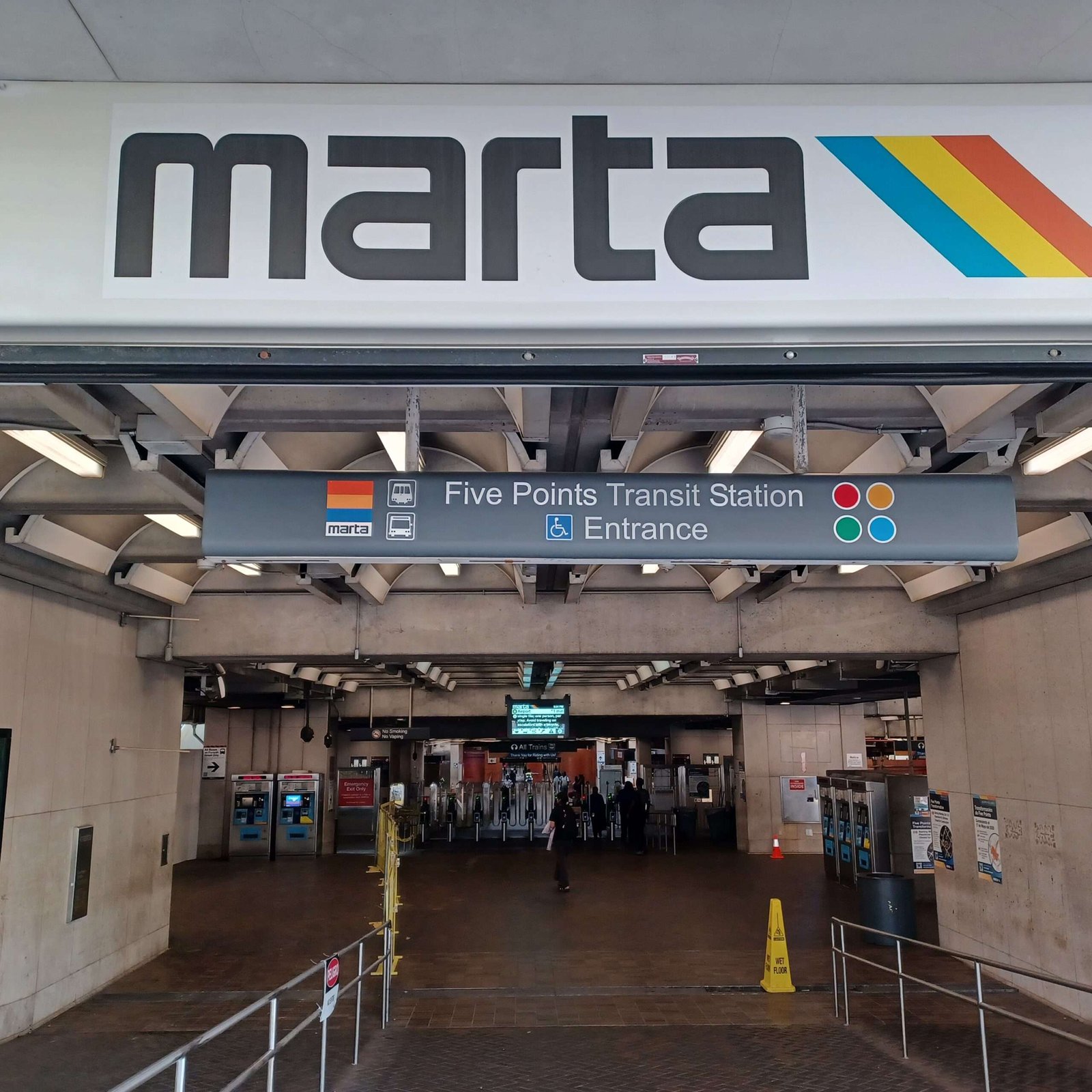
MARTA’s $230 million transformation of Five Points Station enters a major new phase next week. Beginning Monday, October 13, the Peachtree Street entrance and the federal employee tunnel will close to the public as crews begin the safe demolition and removal of the aging concrete canopy.

The Forsyth Street entrance will be the only way in and out of the station during this period. MARTA says the closure is essential to keep workers and passengers safe while the structure above the station is dismantled.

What Stays the Same

Rail service, transfers, and elevators will remain open. All buses will continue boarding on Forsyth Street. However, customers should plan for temporary escalator and stair closures in the coming weeks as scaffolding and overhead protection are installed. Clear signage will be in place to guide riders through the changes.

Ongoing Impacts

Other service adjustments will remain in effect:

  • The Alabama Street and Broad Street Plaza entrances are still closed.
  • Restrooms remain closed.
  • Customer service offices have been temporarily relocated and will move permanently to Ashby Station at a later date.

A Reimagined Downtown Hub

Once complete, the reimagined Five Points Station will serve as a modernized urban centerpiece — designed to improve safety, connectivity, and the rider experience. Plans include a new open-air canopy, redesigned bus hub, a pedestrian link to Broad Street, and new community spaces featuring public art and even urban agriculture.

The project is being funded primarily through the More MARTA Atlanta half-penny sales tax, with contributions of $13.8 million from the State of Georgia, a $25 million Federal RAISE Grant, and additional support from MARTA’s core penny fund.

For more details and project updates, visit itsmarta.com.

Please consider supporting open, independent journalism – no contribution is too small!

Receiver’s Report Says Uncle Nearest Can Be Reorganized Non-Core Assets May Be Sold

Court filings show payroll now stabilized under Genesis Global as Receiver Phillip G. Young Jr. manages costs, consultants, and $2.5 million in immediate receivership expenses at Uncle Nearest.

By Milton Kirby | Shelbyville, TN | October 5, 2025

Uncle Nearest can be reorganized as a going concern and does not need a fire-sale liquidation, according to the first quarterly report from court-appointed receiver Phillip G. Young Jr.

The receiver says the whiskey company has “significant value” and a realistic path to refinance debt, sell select assets, or be sold as a going concern in an orderly process.


Why This Matters

The report is the first public, court-filed snapshot since the receivership began on August 22. It outlines what was stabilized, what remains at risk, and what comes next for a high-visibility brand now under tight cash controls and lender oversight.


Path Forward: Stabilize, Cut, Sell What’s Non-Core

The receiver laid out a short timeline. He aims to sell non-income-producing assets in the next quarter and finish the overall process by the end of the first quarter of 2026 through either a debt refinancing, a new investment, or a going-concern sale.

Key asset moves include:

  • Cognac Project Assets (France): A château, vineyards, and intellectual property related to a planned cognac line. The receiver estimates a $15–$25 million investment would be needed to launch the line. The estate lacks that capacity now, so he intends to sell these assets. One offer is in hand, with additional interest reported.
  • Other Properties: Non-income real estate in Martha’s Vineyard, Massachusetts, and several parcels in Bedford County, Tennessee, are under review for potential sale to reduce debt.

Payroll and the Role of Genesis Global

One of Young’s first priorities was payroll. When he arrived, the company’s employee pay system faced a shortfall. Payroll has since been stabilized under Genesis Global, a Professional Employer Organization (PEO) that handles payroll, benefits, tax filings, and HR services for the company.

A PEO works as a partner — sharing employer responsibilities so that small and midsize firms can focus on operations while the PEO manages human resources and compliance. Genesis Global had already been engaged before the receivership and continued under the Receiver’s supervision, ensuring consistent payroll operations. Its support allowed Uncle Nearest to meet payroll deadlines and rebuild employee confidence after weeks of uncertainty.


Cash, Controls, and a 13-Week Budget

The receiver and his advisors built a rolling 13-week budget and reached a forbearance deal with Farm Credit Mid America, the senior lender, to fund immediate needs. The plan included about $2.5 million in one-time cash: roughly $1.0 million to clear urgent payables and $1.5 million for professional fees. Excluding those extraordinary items, the budget was balanced.


Collections and Spending in the Period

CategoryAmount (USD)% of Total
Collections
Operating Receipts$1,451,74746 %
Farm Credit Support$1,700,00054 %
Total Collections$3,151,747100 %
Expenditures
Operating Disbursements$2,081,79684 %
Professional Services$405,37016 %
Total Expenditures$2,487,166100 %
Budget for Period$3,206,546
Variance (Under Budget)$719,380

All bank balances were moved into receiver-controlled accounts. Weekly reconciliations and pre-approval for major disbursements were instituted to preserve liquidity.


Breakdown of Professional Fees

Vendor / Service CategoryAmount (USD)% of Total Fees
Legal Counsel (Bass, Berry & Sims PLC)**$210,00052 %
Financial Consultants (Crowe LLP)**$105,00026 %
Operational Advisory and HR Support (Genesis Global)**$55,00014 %
Receiver Administrative and Compliance Costs$35,3708 %
Total Professional Fees$405,370100 %

Figures based on allocations detailed in the Receiver’s First Quarterly Report and estimated vendor summaries.


Operations: Trims, Product Flow, and Distributors

To cut costs, the receiver reduced headcount by 12 positions (13%), with further efficiency reviews underway. The team also reset expectations with distributors and vendors. Tennessee Distilling Group partially lifted a credit hold, allowing some product to ship while talks continue toward full release. New product releases are anticipated next quarter.


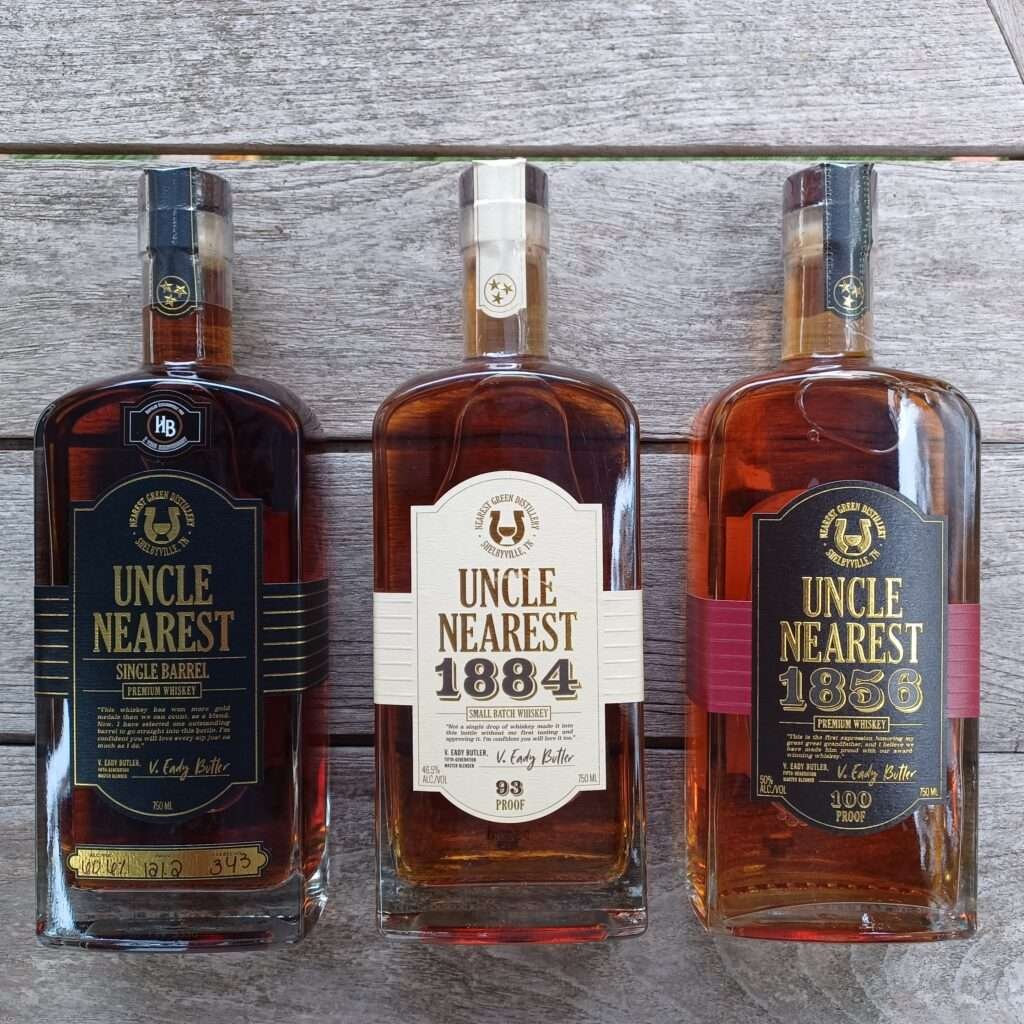
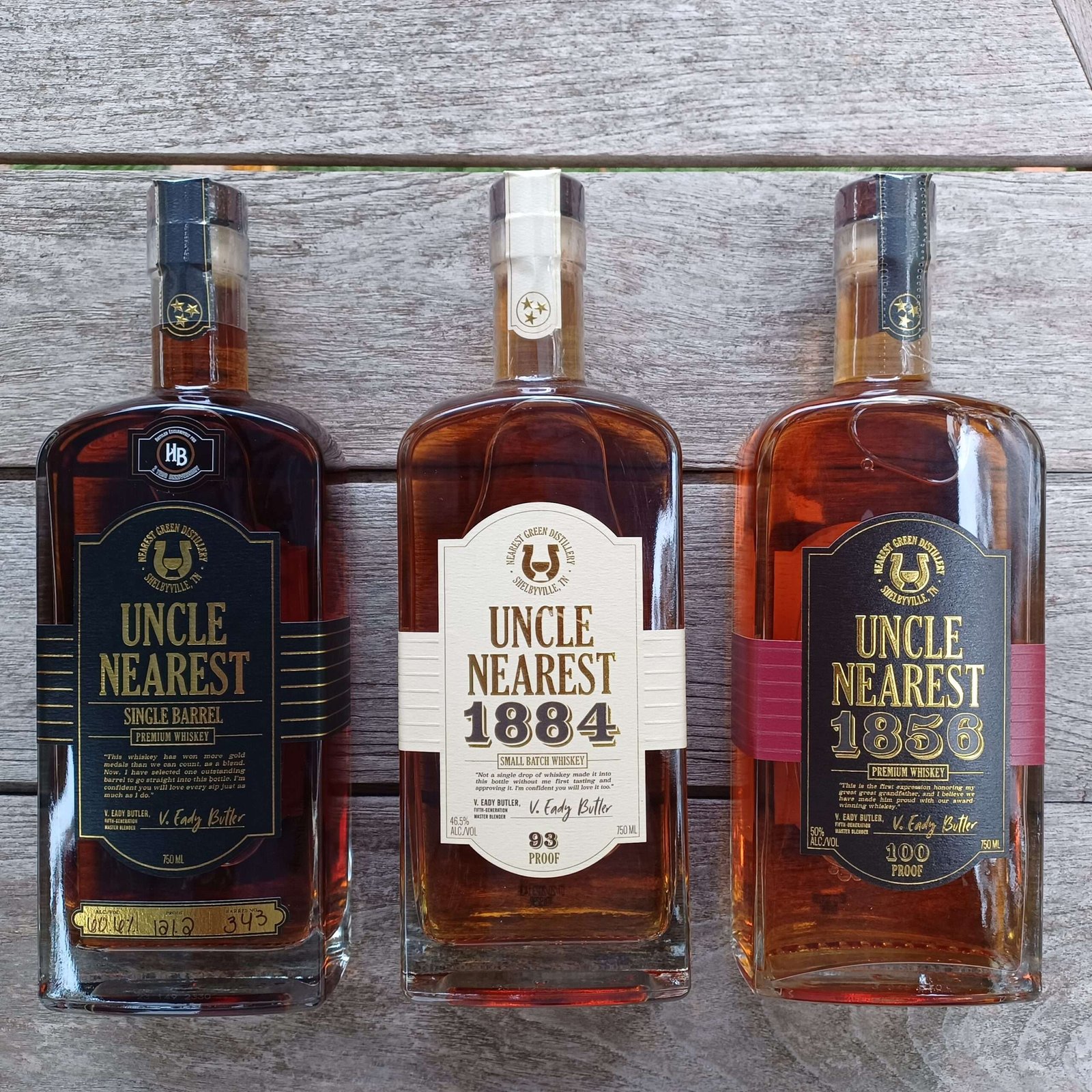
Photo by Milton Kirby Uncle Nearest

Records, Cap Table, and Internal Reviews

The report flags gaps in historical records and internal controls:

  • Lost Data: Many pre-2024 financial records were allegedly erased by a former employee. Recovery efforts are underway.
  • Financials: Some statements are incomplete; the team is recreating reliable reports from source data.
  • Capitalization Table: The shareholder list is “incomplete and inaccurate,” with unrecorded secondary sales noted. Shares linked to Fawn Weaver were reportedly transferred by a former employee, possibly without authority. The receiver is contacting shareholders to reconcile the cap table.
  • Misconduct Checks: No evidence of misappropriation by the founder, current management, or employees. Allegations against a former employee remain under investigation.

Taxes and Compliance

Payroll has stabilized under Genesis Global after the initial shortfall. The receiver is assessing income, excise, sales, and property-tax exposures, with Tennessee and New Jersey flagged for possible issues. Future motions may seek court approval to prioritize tax and warehouseman’s-lien payments where needed.


International Steps

French counsel is translating and domesticating the U.S. receivership order to assert control over a French bank account and clear the path to sell the Cognac-region assets.


Timeline

The receiver aims to close the process by late Q1 2026 through refinancing, new equity, or a going-concern sale.

This article was originally published on The Truth Seekers Journal.

Related stories:

Uncle Nearest: A Billion-Dollar Brand

Uncle Nearest at Legal Crossroads

Please consider supporting open, independent journalism – no contribution is too small!
FraserNet PowerNetworking Experience & Expo Returns to Atlanta

By Milton Kirby | Atlanta, GA | September 30, 2025

The PowerNetworking Experience & Expo, one of the world’s leading conferences for Black entrepreneurs. The event in its 24th year, will return to Atlanta this November. The four-day event, hosted by FraserNet, Inc., will take place from November 5- 8, 2025, at the Omni Atlanta Hotel at CNN Center.

Recognized by Forbes as one of the top five entrepreneurial conferences worldwide, the gathering attracts thousands of business leaders focused on building intergenerational wealth. Founded by renowned networking leader Dr. George C. Fraser, the event now enters a new chapter under the leadership of recently appointed President Delano A. Johnson.

“This isn’t just another networking event,” said Dr. Fraser. “The PowerNetworking Conference has established itself as the place where ambitious entrepreneurs come ready to take immediate action and build legacies that will benefit their grandchildren and beyond.”

The 2025 conference will feature more than 50 global Black overachievers sharing their success strategies. Organizers say participants will be guided through a shift in mindset—away from instant gratification toward long-term wealth planning. Sessions will highlight four pillars of legacy-building: wealth management, real estate, business development, and strategic insurance planning.

Organizers stress that the conference offers value whether someone is launching a first venture or scaling a thriving enterprise. Attendees will gain access to high-level connections, proven strategies, and mentorship from leaders who have built million-dollar businesses.

The PowerNetworking Experience has grown steadily since its founding more than two decades ago, becoming a welcoming hub for those who want more than inspiration—they want execution. As FraserNet emphasizes, the goal is to turn ideas into enterprises and networking into a source of generational wealth for all.

Event Details

  • Dates: November 5–8, 2025
  • Location: Omni Atlanta Hotel at CNN Center, Atlanta, GA
  • Registration: bit.ly/428T5KX

About FraserNet, Inc.

FraserNet, Inc. develops world-class networking experiences, educational programs, and wealth-building resources through its brands, including the PowerNetworking Experience & Expo and The Fraser Foundation.

Please consider supporting open, independent journalism – no contribution is too small!

Hartsfield-Jackson Loses $37M FAA Funding Over Refusal to Abandon Minority Contracting Program

Atlanta forfeited $37.5M in FAA funding after refusing to abandon DEI programs, raising questions about airport projects, federal policy, and Mayor Dickens’ reelection-year decisions.


By Milton Kirby | Atlanta, GA | September 28, 2025

ATLANTA — Hartsfield-Jackson Atlanta International Airport has forfeited more than $37 million in federal funding after refusing to disavow diversity, equity, and inclusion (DEI) programs, a condition imposed by the Trump administration through a January executive order.

The Federal Aviation Administration (FAA) confirmed to the Atlanta Journal-Constitution that Atlanta lost $37.5 million from a $57 million allocation for infrastructure upgrades, including taxiway pavement replacement, restroom renovations, and sustainability projects aimed at lowering emissions. About $19 million of that total may still be available in the next federal budget cycle if the city agrees to new grant language, the AJC reported.

At the center of the dispute is Executive Order 14151, signed by President Donald Trump in January, directing agencies to terminate DEI offices, equity-related action plans, and environmental justice initiatives, and requiring federal grantees to certify that they do not operate such programs.

Photo by Milton Kirby – Hartsfield Jackson International Airport

Atlanta leaders declined to sign the FAA’s new conditions by a July 29 deadline, according to AJC reporting, citing the city’s longstanding commitment to minority and women-owned business participation at the airport. That program, requiring that 25% of airport business go to minority-owned firms and 10% to women-owned firms, was pioneered by former Mayor Maynard Jackson during a $400 million expansion in the 1970s.

“Federal funding for the airport, while important, represents less than 10%—approximately $1 billion over the next six years—of the airport’s total capital program over the same period,” Michael Smith, a spokesperson for Mayor Andre Dickens, said in a City of Atlanta statement. “We are confident that the airport will be able to pursue alternative funding to advance these projects without impacting customers or airport service providers.”

The lost FAA money comes as the airport manages nearly $1 billion in ongoing construction. According to a City of Atlanta financial report for fiscal 2024, Hartsfield-Jackson generated $989 million in revenue against $845 million in expenses, supported entirely by airport-generated income.

Still, federal funds remain critical for certain large-scale projects. For example, the expansion of Concourse D has leveraged $40 million in U.S. Department of Transportation grants, according to city filings.

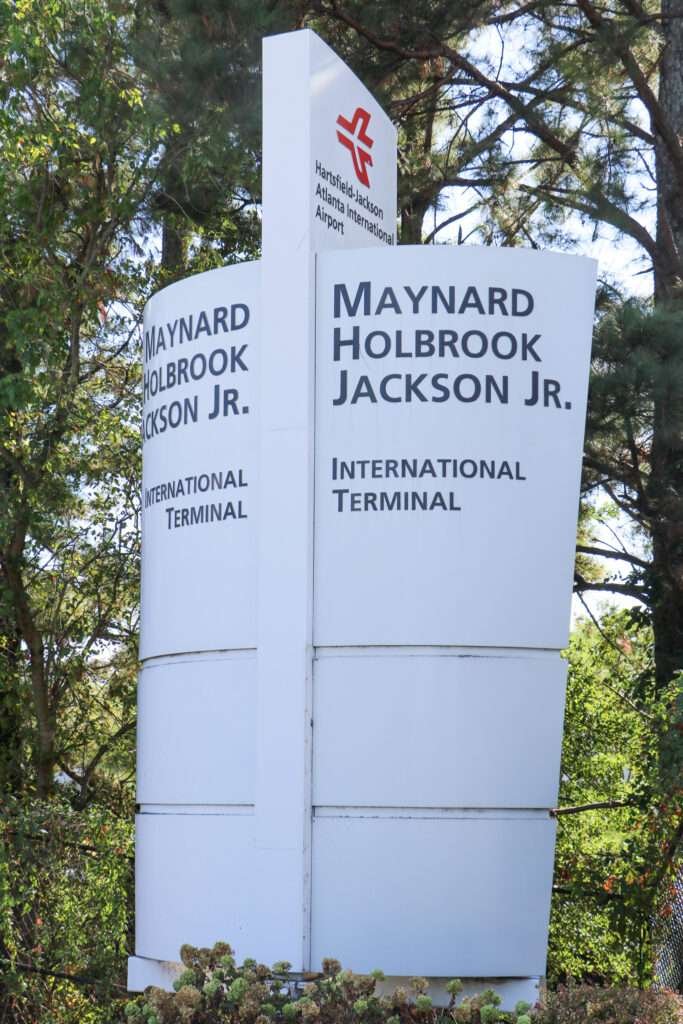
Photo by Milton Kirby – Hartsfield Jackson International Terminal

FAA records also underscore what is at stake. In a newsroom release dated August 13, 2024, the agency announced $20.1 million in Bipartisan Infrastructure Law funding for Hartsfield-Jackson to rehabilitate taxiways and taxilanes. The airport has historically put such grants to work on targeted infrastructure upgrades, ensuring safety and efficiency across its vast operations. The newly lost $37.5 million is nearly double that amount.

Atlanta officials unsuccessfully lobbied the FAA to alter the new grant conditions, according to the AJC. Meanwhile, several other major cities—including New York, Chicago, San Francisco, Boston, and Minneapolis—have sued the Trump administration, arguing the DEI ban exceeds presidential authority and interferes with congressionally approved grant programs. A federal judge has temporarily blocked enforcement of the new rules for those plaintiffs, but not for Atlanta.

Mayor Dickens, who faces reelection this fall, has signaled he may reconsider aspects of the city’s DEI programs to preserve access to federal funds across city departments. But by the time deliberations began, tens of millions in aviation money had already slipped away, according to FAA and AJC accounts.

The City of Atlanta emphasized in its official statement that the airport remains financially secure and committed to balancing compliance with federal law while upholding “our long-held values, local policy, and federal law.”

Please consider supporting open, independent journalism – no contribution is too small!

Uncle Nearest at Legal Crossroads: Debt, Receivership, and What Comes Next

Uncle Nearest faces receivership and $108M debt, but CEO Fawn Weaver rallies support with faith, leadership, and booming sales in Illinois, Florida, Georgia, Maryland, and Alaska.

By Milton Kirby | Shelbyville, TN | September 21, 2025

Uncle Nearest Premium Whiskey, a thriving brand valued at $1.1 billion in 2024 by Forbes and other sources and recognized as the fastest-growing Black-owned spirits brand in the nation, is now embroiled in a federal court battle. A receivership order, linked to a staggering $108 million debt, has handed over the reins of the company’s finances and operations to external parties. This pivotal moment could potentially reshape one of the most celebrated American whiskey stories in recent history.


How the Case Started

On July 28, 2025, Farm Credit Mid-America filed suit, alleging that Uncle Nearest, Nearest Green Distillery, and founders Fawn and Keith Weaver defaulted on over $100 million in loans. The lender accused the company of:

  • Overstating the value of whiskey barrels used as collateral by $21–24 million.
  • Failing to keep a $1.5 million cash balance required under loan agreements.
  • Falling behind on payments and breaching covenants on net worth and net income.
  • Selling or discounting future revenues without proper notice.
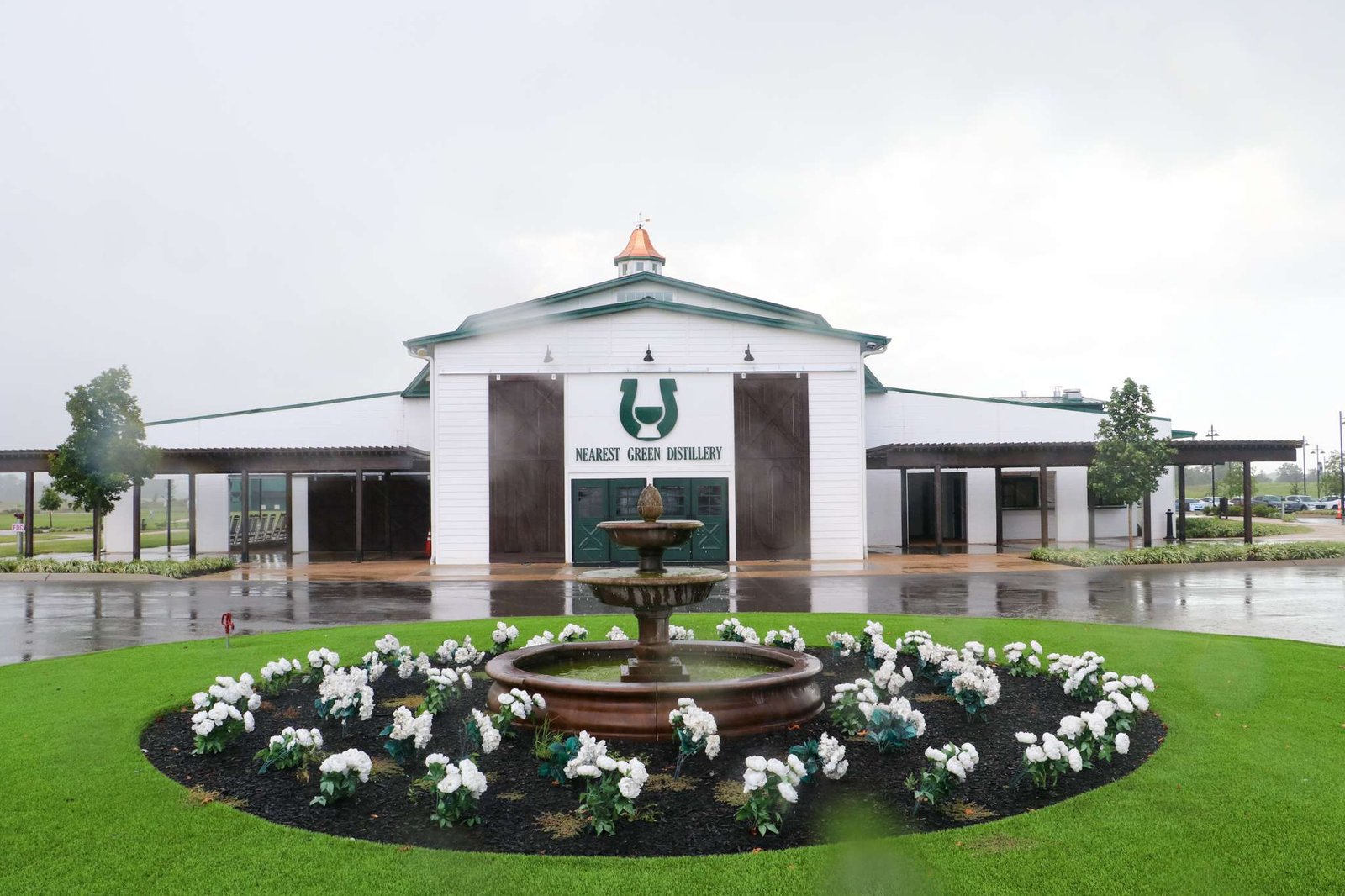
Photo by Milton Kirby

Farm Credit also claimed “insufficient internal financial controls” and said defaults date back to 2023. Still, the lender extended additional credit at the time, “in reliance upon Uncle Nearest’s representations as to its success and strategic growth.”


Uncle Nearest Pushes Back

The Weavers argue the picture is more complicated. In sworn filings, Fawn Weaver declared that former CFO Mike Senzaki “was the sole point of contact responsible for inventory reporting and for signing off on all funding requests tied to those barrels.” She maintains that discrepancies surfaced in early 2024, months before Farm Credit sued.

On the Martha’s Vineyard home purchased through UN House MV LLC, Uncle Nearest submitted internal emails showing that Farm Credit executives “were not only aware of the property but also attended an inaugural Gospel Brunch event at the home.” The filing added, “These were not covert maneuvers.”

Weaver has also spoken directly to supporters. In a widely shared Instagram video, she declared:

“Don’t believe the fake news. Some reports claim I no longer own Uncle Nearest and that I’m not running it. Let me be clear. I built this company. I run this company. And my leadership team, who have all been with me for 6 to 8 years, are right here building alongside me. Our team remains unshaken and unmoved.”


Growth & Market Momentum

On August 16, 2025—two days after the court appointed a receiver—Fawn Weaver took to Instagram to rally customers and partners. She emphasized that, despite legal pressures, Uncle Nearest continues to expand in key markets “in a year where spirits are down.” This continued growth and market momentum is a testament to the company’s resilience and a reason for optimism about Uncle Nearest’s future

Photo by Milton Kirby – Uncle Nearest Flight

She pointed to sales surges across the country, noting:

  • Illinois: +216% this month, +21% year-to-date.
  • Florida: +92% this month, +24% year-to-date.
  • Georgia: +31% this month, +53% year-to-date..
  • Maryland: +30% this month, +49% year-to-date.
  • Alaska: +423% this month, +44% year-to-date.
  • South Carolina: +48% this month, +53% year-to-date.
  • Texas: +44% this month, +34% year-to-date.
  • New Mexico: +32% this month, +22% year-to-date.

Her message was pointed:

“Don’t forget, keep clearing them out, leave no doubt, send a loud message that you are behind this brand and the team that built it.”


The Court’s Decision

On August 14, 2025, U.S. District Judge Charles E. Atchley Jr. appointed Phillip G. Young Jr. as receiver, finding that receivership was “necessary under the circumstances” due to questions of solvency, inadequate collateral, and ongoing defaults.

Young, a bankruptcy and business attorney, has hired turnaround specialists Newpoint Advisors Corp. to assess the company’s financial health, with Thoroughbred Spirits Group managing operations. Belcher, Sykes & Harrington has been engaged as counsel for alcohol and beverages, while Young’s firm, Thompson Burton, serves as receivership counsel

The order effectively shifts day-to-day financial and operational control to the receiver, while leaving branding and public-facing work partially in the hands of Uncle Nearest leadership.


Money In and Money Out

Records show that Uncle Nearest made large payments before the lawsuit: $9 million in 2024 and $7.5 million earlier this year. Yet Farm Credit says those payments did not cure defaults or fix repeated covenant breaches.

The dispute over barrel values is especially critical. Farm Credit claims the inventory overstatement inflated its lending exposure. Uncle Nearest insists the problems trace back to one former executive.


Assets in Question

The receivership may extend beyond the distillery and barrels. The receiver has asked the court to clarify whether other Weaver-connected entities should be pulled in, including:

  • Uncle Nearest Real Estate Holdings LLC
  • Shelbyville Barrel House BBQ LLC
  • Humble Baron Inc.
  • Grant Sidney Inc.
  • Uncle Nearest Spurs VI
  • Quill and Cask Owner

Additional law firms are also reviewing potential assets in Massachusetts and France.

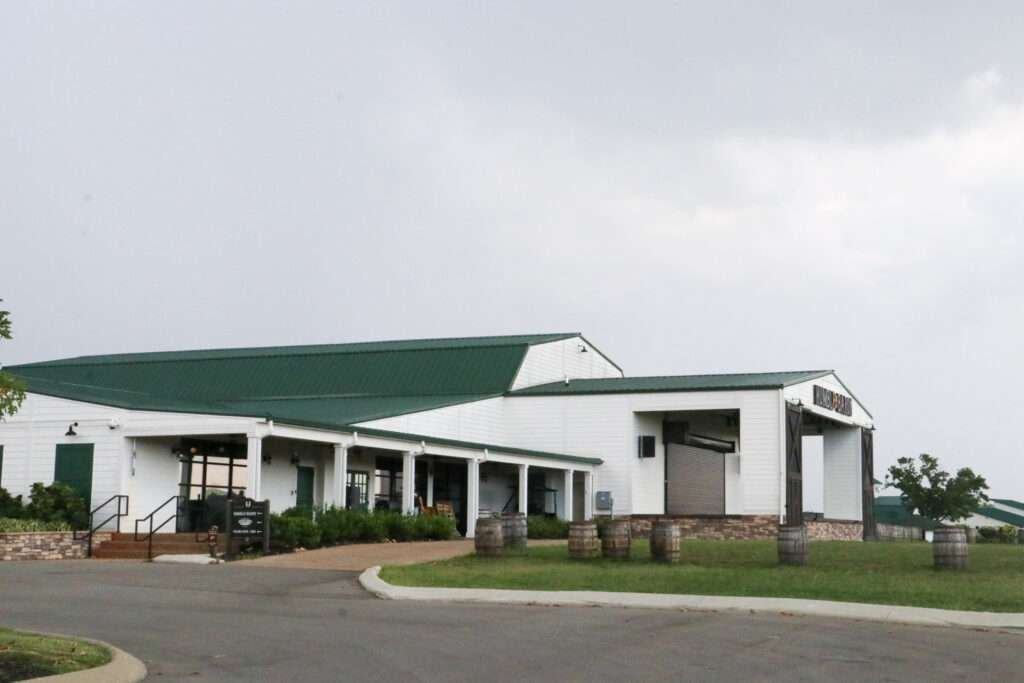
Photo by Milton Kirby – Uncle Nearest Horse Barn

Costs of Receivership

The Financial Impact of Receivership oversight comes at a cost. Young has already hired multiple consulting and legal teams to stabilize operations. These include financial consultants, operational managers, and attorneys specializing in alcohol law.

While the exact fees have not been disclosed in public filings, industry observers note that receivership and professional services can be expensive. For a company already under heavy debt, these additional expenses could create new pressure on cash flow and raise the risk of bankruptcy if revenue cannot keep pace.


Local Impact

The distillery in Shelbyville has become a destination in its own right. Reports show that the site attracted 5,000 to 8,000 visitors every weekend in 2023. The company claims it ranked as the seventh-most visited distillery in the world among its peers. This local economic impact is a testament to Uncle Nearest’s importance to its community and the connections it fosters.

Tourism tied to whiskey is a growing sector in Tennessee, part of the Tennessee Whiskey Trail that draws travelers from across the U.S. and abroad. For Shelbyville, the ripple effects include job opportunities, tourism, and spending at local hotels and restaurants.

How the receivership affects visitor traffic and local suppliers remains unclear, but the stakes are high.


A “People’s CEO” Message

Weaver has leaned into her identity as what she calls the “People’s CEO.” She told followers:

“Keep clearing the shelves. Every bottle you move tells our distributors and partners the same thing. We’ve built one of the strongest and most resilient brands in American history.”

“From the start, I’ve shared the ups and downs of building Uncle Nearest, that transparency is a part of my calling. That is what built one of the strongest brand communities in American history.

That’s why they call me the People’s CEO — because I don’t just show the gloss, I show the grind, the grit, and the gunk.”

She also reminded entrepreneurs of the long road:

“Entrepreneurialism will give you a hundred reasons a day to quit, but strong leadership doesn’t panic. It keeps a steady hand and moves forward.”


What to Watch

  • The receiver’s first quarterly report, due October 1, 2025, which should reveal cash flow, solvency, and collateral status.
  • Whether additional Weaver-linked LLCs will be pulled into the receivership.
  • Possible legal action against the former CFO, or counterclaims from Uncle Nearest.
  • The impact of consultant and legal fees on the company’s ability to restructure debt.
  • Continued sales growth in markets like Illinois, Florida, Georgia, Maryland, and Alaska.

A Story Still Unfolding

“What the enemy meant for evil? God meant for good,” Weaver told her audience. That note of faith and defiance now hangs over the courtroom battles and boardroom decisions.

Uncle Nearest’s future is tied to the courts, consultants, and creditors as much as to its whiskey barrels and brand story. The next reports, hearings, and filings will determine whether this is a path toward restructuring or toward deeper financial trouble.

For Shelbyville, for whiskey fans, and for those invested in the legacy of Nearest Green, this is a story to keep watching.

Related stories:

Uncle Nearest: A Billion-Dollar Brand

Receiver’s Report Says Uncle Nearest Can Be Reorganized

Please consider supporting open, independent journalism – no contribution is too small!

City of Atlanta Launches ATL BIZ: New Platform Set to Simplify Permits, Taxes, and Payments Services

Atlanta launches ATL BIZ, a user-friendly online platform replacing ATL CORE, streamlining business licensing, taxes, permits, and payments with faster processing and a centralized dashboard.

By Milton Kirby | Atlanta, GA | September 17, 2025

The City of Atlanta has launched ATL BIZ, a modern, user-friendly online platform that replaces ATL CORE as the city’s primary portal for business services. With its intuitive design and easy navigation, ATL BIZ is designed to streamline processes and better support the city’s business community. It will serve as a one-stop hub for managing occupational tax certificates, permits, taxes, and payments, making it easier and more convenient for our users.

“We are proud to provide this new way of doing business with the City of Atlanta for our business community. ATL BIZ offers Atlanta businesses a modern, more user-friendly and intuitive way to meet their finance needs,” said Atlanta Mayor Andre Dickens.

“This furthers our Administration’s mission of making it easier to connect with our business community, both large and small, ensuring we are a city built for the future.”

Managed by the Department of Finance’s Office of Revenue, the platform includes several upgrades:

  • A streamlined interface that is easier to navigate
  • Faster processing times for applications and payments
  • Enhanced features to support business needs
  • A centralized dashboard to view balances, credits, and messages
  • The ability to manage multiple revenue types in one place
  • Options to renew occupational tax certificates, pay via ACH, and track status in real time

To ensure a smooth transition, all existing records from ATL CORE are being automatically transferred to ATL BIZ. This convenient feature eliminates the need for manual data migration, providing reassurance and comfort to our users. Step-by-step login instructions are available online, and the system is live at atlbiz.atlantaga.gov.

 Background and Context

Atlanta remains one of the nation’s top hubs for entrepreneurship. Over the past five years, the city has averaged 28.5 new business applications per 1,000 residents — nearly double the national city average. Metro Atlanta is home to more than 150,000 businesses, and across Georgia, business formation filings have surged in recent years, with 323,669 new filings in 2021, a record high. The state now has more than 1.5 million active business entities, from small LLCs to Fortune 500 corporations.

While no public data is available on the number of users who relied on the former ATL CORE platform, city officials emphasized that ATL BIZ is designed to handle the growing demand for online business services more efficiently.

Please consider supporting open, independent journalism – no contribution is too small!

Presidency Boosts Trump’s Net Worth By $3 Billion In A Year

Donald Trump lost money during his first term. Out of office, he found a formula for profiting off politics—now he’s piling up billions.

By Dan Alexander | Forbes | September 15, 2025

Donald Trump just had the most lucrative year of his life. The president is now worth a record $7.3 billion, up from $4.3 billion in 2024, when he was still running for office. The $3 billion gain vaulted him 118 spots on The Forbes 400, where he lands at No. 201 this year.

No president in U.S. history has used his position of power to profit as immensely as Trump. His primary vehicle for enrichment: cryptocurrency, an asset class full of hype and vulnerable to regulators. Teaming up with his three sons, Trump announced a crypto venture in September 2024 named World Liberty Financial, which initially struggled to gain traction. Then he won the White House.

Crypto entrepreneur Justin Sun, whom the Securities and Exchange Commission had accused of fraud, invested $75 million, routing an estimated $40 million to the president-elect and millions more to his family members, kickstarting a bonanza that has since snowballed. In January, days before reentering the White House, Trump launched a memecoin, adding hundreds of millions to his pile of cash.

In office, Trump rolled back regulatory enforcement of crypto and signed legislation favorable to the industry, ensuring he would personally benefit from conflicts of interest. His memecoins, initially tied up for three months, now unlock daily, freeing tens of millions per week. World Liberty Financial, meanwhile, has continued selling tokens, including to opaque buyers, generating an estimated $1.4 billion so far. A Trump family entity receives a roughly 75% cut of those sales, amounting to more than $1 billion.

The president apparently made plans to sell part of that entity, according to a letter that a court-appointed monitor overseeing the Trump Organization wrote to a New York judge in May. It remains unclear what percentage the president sold or whether the transaction even happened. The identity of the supposed buyer also remains unknown. The Trump Organization did not respond to questions about the deal. (Shortly after a Forbes reporter first exposed it, the president ranted about the journalist on Truth Social.)

With supporters piling into risky assets, Trump deployed his cash conservatively. He paid off $114 million of debt against 40 Wall Street, a troubled New York skyscraper, at the start of the summer. In July, he knocked out a couple of smaller loans, totaling an estimated $15 million, against mansions in New York and Florida. He also loaded up on municipal and corporate bonds. Trump’s balance sheet is now stronger than it has ever been, with an estimated $1.1 billion of liabilities and $8.4 billion of assets, $1.1 billion of which are in liquid holdings.

Cashing in on Crypto

Most of Trump’s jump in net worth comes from his move into cryptocurrency, which provided him with a pile of cash. He still has plenty of coins leftover, set to jump in value as they unlock over the course of his presidency. Below, Forbes highlights which parts of the Trump fortune improved the most over the last year.

Memecoin: +$710 million

Liquid assets: +$660 million

Licensing and management business: +$410 million

Legal victory: +$470 million

World Liberty Financial tokens: +$340 million

Stablecoin business: +$240 million

Almost everything in his portfolio is doing well. Appellate judges in New York threw out a roughly $500 million fraud penalty in August. Trump’s real-estate licensing business, stalled out for years, has come roaring back to life, with new deals in Saudi Arabia, Vietnam, Romania, India, Qatar and the United Arab Emirates. Revenues jumped an estimated 580% in 2024 to $45 million, boosting the value of the business by $400 million. In the United States, the president’s golf-and-club portfolio continues to thrive, as profits jumped an estimated 30% in 2024, adding roughly $325 million to Trump’s net worth.

With so much money coming in, the president may soon get back to his first love, building. He and his family have been making noise for years about constructing small villages at golf resorts in Scotland and Florida. Projects like that require a lot of liquidity, something that has not always been available to Trump. But now, after reclaiming the White House—and cashing in on the power that comes with it—he can pretty much do anything he wants.

—With additional reporting by Kyle-Khan Mullins, Zach Everson and Thomas Gallagher.

Please consider supporting open, independent journalism – no contribution is too small!

Too Pricey to Protect

Tips for dealing with rising home insurance premiums

By Kerri Anne Renzulli | August 31, 2025

Living in an oceanfront condo on Florida’s Space Coast was Jim McGuigan’s retirement dream, so 12 years ago, he and his wife, Debbie, sold their family home in Orlando and moved to Cocoa Beach. But earlier this year, the couple packed up and moved back inland.

Behind that was insurance. Premiums for the high-rise where they owned a unit had tripled in recent years; that increase, along with repairs necessary to maintain coverage, drove their condo association fees up 141 percent over the same period. The prospect of even higher insurance-related costs prompted the McGuigans’ return to Central Florida, where they’ll spend $4,760 a year less in insurance and fees. “When we bought the condo, I didn’t think I was ever going to move again,” says Jim 66. “But insurance and other things have made the cost of living there too much.”

The McGuigans joined millions of Americans who, in recent years, have been forced to deal with home insurance premium increases and fewer choices as more carriers exit high-risk areas and decline to renew policies.

From 2021 to 2024, premiums rose an average of 24 percent in the U.S. and were higher in 95 percent of ZIP codes, reports the Consumer Federation of America (CFA). While Floridians pay the highest average annual premiums, at $9,462, non-coastal states like Arizona, Illinois, and Pennsylvania saw premiums grow by 44 percent or more. Thanks largely to these increases, nearly 1 in 7 owner-occupied U.S. homes are uninsured, estimates LendingTree. And other homeowners are likely struggling: A Federal Reserve Bank of Dallas study found that mortgage delinquencies increase 8 percent in the year following a typical price hike.

Because mortgage and home equity lenders require insurance, paying these premiums is nonnegotiable for most homeowners. But the following strategies can help reduce how much of your money insurance consumes.

REVIEW COVERAGE

Along with raising your deductible — a standard way to lower premiums — check that your various coverage amounts don’t leave you overinsured. You may be able to tailor your policy’s default limits to reflect just what you have, says Alyssa Bourgeoris, an indedpendent broker with the Marsh McLennan Agency in Metairie, Louisiana. You can try this with other structures coverage, which protects things like fences and detached garages, or with your contents coverage. Before making the change, however, weigh the consequences. “Dropping personal property coverage from 75 percent of your dwelling limit to 25 percent might only save $100 a year,” says Peter O’Keefe, an independent broker with Connor, Alexander and Sullivan in San Francisco. “Do you really want to give up that much coverage to save less than $10 a month?

CHECK THE MARKET

“If you feel like you’re getting a bad deal, shop around,” says Michael DeLong, a research and advocacy associate with CFA. Annual rates from different insurers can vary by $1,000 or more for identical coverage, NerdWallet found. Many insurers make it easy to get a quick quote: Visit their website and plug in some basic information. You can use sites like Insure.com, Policygenius or The Zebra to see offers from multiple carriers simultaneously. Also, your state insurance department may provide rate comparison tools.

If you get a nonrenewal notice from your carrier, start shopping around at once since many states require only 30 days’ notice. “Ask the insurer the reason for the nonrenewal and see if you can make any improvements or changes to keep your insurance,” says Amy Bach, executive director of United Policyholders, a consumer advocacy organization.

GET PROFESSIONAL HELP

Independent insurance agents and brokers can do the legwork of finding better coverage for you; they have access to policies and pricing information from multiple insurance companies, unlike captive agents who represent a single firm. “They can vouch for an insurance company that you may have never heard of,” Bach says. Ask how the broker or agent is compensated so you understand up front any potential biases. Visit trustedchoice.com to find more than 250,000 U.S. independent agents.

WIDEN YOUR SEARCH

If you can’t find good options through regular channels, consider state-created insurers of last resort, like California’s FAIR Plan (for fire insurance) or Louisiana Citizens.

Should one of those not be available, you might even consider non-admitted carriers, which don’t have state insurance licensing and lack guarantees that claims will be paid if they go belly-up. Non-admitted carriers may be riskier, but they must meet state requirements, and many are affiliated with traditional insurers. Mortgage lenders will OK them if they meet their financial standards, typically based on ratings—which are publicly available—from companies such as A.M. Best, De-motech or Standard & Poor’s. Don’t go with a non-admitted carrier unless you research its finances and work with a reputable broker, advises United Policyholders.

LOOK FOR DISCOUNTS

Ask your insurer about any price breaks it offers. Retirees can get up to 10 percent off with some insurers, since they spend more time at home, making them likelier to spot issues quickly. Other insurers offer lower rates to people in specific occupations, like the military or members of certain credit unions or professional associations. Opting for paperless statements and setting up automatic payments may also shave a bit off your premium, as can living in a gated community.

STRENGTHEN YOUR HOME

Improvements that make your home more resistant to risk, like storm shutters, a fire-resistant roof or a reinforced roof, could reduce your premium and give you more insurance carrier options, DeLong says. In some states, insurers are even required to offer discounts to homeowners who show proof they’ve added such features. Homeowners with security systems save between 2 and 15 percent—$100 less on average, according to Policygenius. Before making any upgrades, check that your insurer will reward the change and that it meets the carrier’s requirements.

Your state insurance department may provide grants or other assistance to help offset certain improvement costs, DeLong says. Alabama, for instance, offers homeowners grants of up to $10,000 for roof fortification in select counties.

IMPROVE YOUR CREDIT SCORE

In most states, insurers can set your rates and decline to renew your policy based on your credit history and scores, DeLong says. Rightly or wrongly, homeowners with poor credit scores are viewed as less reliable and so pay higher premiums than those with good scores—as much as 102 percent more, based on data from Policygenius. To help  boost your score, make on-time payments, chip away at credit card balances and review your credit report for errors.

SELF-INSURE

Dropping supplemental coverage—like flood or earthquake insurance—or ditching home insurance altogether could save you thousands in the short run but puts your biggest asset at risk. “Without insurance, it’s entirely on you if something goes wrong,” says Dale Porfilio, chief insurance officer for the Insurance Information Institute. Anyone considering this option should have a financial plan for replacing possessions and obtaining housing in the event of a total loss. This may mean setting up a large emergency fund, deciding which assets to sell in a worst-case scenario or sacrificing retirement money. For most, even 20 years of investing saved premiums won’t equal the six-figure fund needed to rebuild entirely. If you have a mortgage on your property and drop coverage, your lender will make you pay for force-placed insurance, which is usually more expensive and protects only the lender’s financial interest, not yours.

CHANGE YOUR SITUATION

If home insurance squeezes your budget so tightly that you’re cutting or charging necessary purchases and constantly dipping into savings, you may no longer be able to afford to live where you do, says Sheryl Hanshaw, who heads the county-run Greenville Financial Empowerment Center in South Carolina. Contact your lender, advises Bruce McClary of the nonprofit National Foundation for Credit Counseling (NFCC). The lender may be able to lower your monthly payments—at least temporarily—though you’ll typically pay more interest and fees over time.

If that isn’t possible, consider selling your home and moving to a place with lower insurance costs, Hanshaw says. But also assess whether, after the change, you’d be better off financially and whether you’d lose what’s important to you, like proximity to your support network. For free advice about your mortgage, find a nonprofit financial counselor via NFCC’s website at nfcc.org, or go to answers.hud.gov/housingcounseling to connect with a local HUD housing counseling agency.

Kerri Anne Renzullihas worked at CNBC and News-week, Money and Financial Planning magazines.

Please consider supporting open, independent journalism – no contribution is too small!

From Costa Rica to Krog Street: The Journey of Xocolatl

Atlanta’s Xocolatl crafts award-winning bean-to-bar chocolate, ethically sourced from small farms, blending bold flavors with social justice, sustainability, and community impact in every handmade bar.


By Milton Kirby | Atlanta, GA | August 21, 2025

Elaine Read and Matt Weyandt’s backpacking trip to the jungles of Costa Rica led them to build one of Atlanta’s most unique food businesses.

Their passion for ethically sourced, small-batch chocolate has grown into Xocolatl (pronounced chock-oh-LAH-tul), a nationally recognized bean-to-bar chocolate company with roots deeply planted in community and sustainability. Xocolatl became carbon-neutral certified by The Change Climate Project in October 2023.

The couple’s journey began in 2012, when they moved with their toddler and newborn to a sleepy Costa Rican town where the jungle meets the sea. There, they discovered dark chocolate made from locally grown cacao—intensely flavorful, unprocessed, and unlike the candy bars of their childhood. Their passion for chocolate was ignited as they quickly realized that chocolate from different farms had noticeably different flavor profiles. It was an entirely new experience of what chocolate could be.

They returned to Atlanta with bags of cacao and a new vision: to introduce craft chocolate to their hometown. After a year of experimenting with recipes and sourcing beans directly from farmers, they opened their micro-factory and retail store at Krog Street Market in late 2014.

Today, Xocolatl has grown significantly, employing 19 full- and part-time staff, operating a micro-factory in Atlanta, and shipping its award-winning chocolate across the United States. This growth is a testament to their dedication and the quality of their products.

Grinding the beans

 Bean-to-Bar, Start to Finish

Unlike many chocolatiers who melt down mass-produced chocolate, Xocolatl makes its products from scratch. The process starts with hand-sorting cacao beans sourced from farmer co-ops in Brazil, Peru, Nicaragua, Uganda, and Tanzania. This commitment to ethical sourcing ensures that the beans are of the highest quality and that the farmers are fairly compensated. After roasting to highlight unique flavor notes, the beans are cracked into nibs and ground for days until the chocolate develops its smooth texture. Only organic cane sugar is added for single-origin bars, while other bars feature carefully chosen flavor inclusions.

Molding the chocolate

The final step is tempering and molding the chocolate into bars, each wrapped by hand in sustainably produced paper designed and printed locally. “It takes about a week for one batch, start to finish,” Matt said. “It’s labor-intensive, but that’s what makes the difference.”


Social Justice Through Chocolate

Xocolatl’s mission extends beyond flavor. Matt, a former campaign manager for the late Congressman John Lewis, and Elaine, a former Peace Corps volunteer and nonprofit professional, are determined to use their company as a force for good.

This commitment has not gone unnoticed. Xocolatl has won multiple awards, including recognition from the Academy of Chocolate, a Good Food Award, and even a feature in O, The Oprah Magazine.


Challenges and Growth

Like many small businesses, Xocolatl faces hurdles. Tariffs on imported goods and a volatile economy have made planning difficult.  The company has limited storage capacity and often partners with other chocolatiers in New York, North Carolina, and California to share import container space for cacao and sugar.

Despite the challenges, demand remains strong. Nearly half of Xocolatl’s revenue comes from retail sales, with another 29 percent from wholesale accounts—including Whole Foods and local businesses like Big Softie ice cream, who uses Xocolatll chocolate in their ice cream coating process, and several Atlanta coffee shops that use Xocolatl chocolate in their mocha drinks. Online sales make up about 16 percent of revenue.

“We’re careful with our cash right now, but we’re excited about the future,” Elaine said. Plans for a second retail location are in the works, though tempered by caution in the current economic climate.

More Than a Chocolate Bar

Beyond retail, Xocolatl has expanded into company gifting, offering custom sets and branded chocolate for corporate clients. They also host weekly chocolate tastings at their Atlanta factory, where guests can learn about cacao farming, taste single-origin chocolates, and experience the bean-to-bar process firsthand.

Krog Street Retail Store

Their name, Xocolatl, pays homage to the Aztec and Mayan word for chocolate, meaning “bitter water.” It reflects both the ancient origins of chocolate and the company’s Atlanta roots—cleverly highlighted in the “ATL” at the end of their name.

For Elaine and Matt, every bar of chocolate represents more than a treat. It is a celebration of culture, craft, and connection. “We hope people feel the same sense of adventure and contentment that first inspired us.”

Please consider supporting open, independent journalism – no contribution is too small!

Exit mobile version