No Retirement For Me

Jonathan Clements reflects on the life changes driven by his terminal cancer diagnosis at age 61. Despite his prior focus on frugality and saving for retirement, he now prioritizes enjoying daily life, simplifying finances, and ensuring his family’s financial security. His philosophy embraces making meaningful memories while managing his health challenges.


I Saved And Planned For A Long One. Then I Heard From My Doctor.

By Jonathan Clements

This won’t come as a big surprise: Dying makes you look at the world in a different way—the world of money included. Among friends and family, I’m known for hard work and self-discipline. I spent almost two decades at The Wall Street Journal, churning out personal finance columns every week. I saved so diligently that I could have retired at age 51, but instead opted to write books and launch a personal finance website. My self-control extends to exercise: I’ve run or bicycled pretty much every day since 1995.

Courtesy –  Jonathan Clements

What was my reward for this life of industry, frugality and clean living? In May 2024, at age 61, I got an out-of-the-blue diagnosis of cancer, the result of a defective gene. The cancer had metastasized from my lung to my chest, liver and brain. My oncologist said I might have a year to live. I’m hoping for a tad longer because my body has responded well to treatment. Still, it’s only a matter of time before cancer gets the upper hand.

In the meantime, I find myself wandering through life with a different mindset from almost everybody else. How so? Here are 19 ways that my thinking and my finances have been transformed by my diagnosis.

1. I spent nearly my entire adult life saving like crazy so I could retire in comfort—and yet, faced with my terminal illness, I have no plans to retire. Instead, I want to keep doing what I’ve been doing for years: getting up early, making coffee, exercising, writing and editing, napping after lunch, taking an afternoon walk, enjoying an evening glass of wine. These are the things that bring me pleasure each day, and I have no desire to stop now.

2. Do I regret my decades of frugality, including previously living for 20 years in a modest house I never much liked? Far from it. The money I saved won’t go toward my retirement, but it still bought me a lot of happiness—because it allowed me to avoid financial worries for much of my adult life.

3. I could spend with reckless abandon now, but my old frugality persists. My partner, Elaine, and I had been living together for four years and were already engaged when I got my diagnosis. We married four days later, partly because she won’t qualify for Social Security survivor benefits unless I’m still alive nine months after our wedding. Since then, we’ve taken a few special trips, and we have a few more planned. But I’ll only open up my wallet so far. You won’t find me paying $5,000 to fly business class to Europe.

4. Never an enthusiastic shopper, I’m now even less inclined to buy new things. Last fall, Elaine insisted I purchase new shoes for my son’s December 2024 wedding. I wear those shoes whenever I get the chance—because it’s the only way I could justify the cost.

5. Gifting has become a top financial goal. One reason I’m not spending like crazy: I want to make sure I bequeath a healthy sum to Elaine and my two children, now in their 30s, from my previous marriage. I also made some financial gifts right away, including writing large checks to my kids and funding 529 college savings plans for my two grandsons.

6. I’ve long invested aggressively, keeping 80 percent or more of my portfolio in stock-index funds. Now that I know it’s likely I won’t live more than another year or two, I’m even more aggressive. Why? I’m no longer investing for my retirement. Instead, I’m investing for my heirs, and their time horizon is far longer than mine.

7. Because old age is no longer in the cards, all kinds of issues are off the table. I don’t have to fret over future long-term care costs, or whether to choose original Medicare or Medicare Advantage, or how to minimize my retirement tax bill. Instead, my top priority is making sure everything is in good shape for my heirs.

8. As of my 62nd birthday in January of this year, I could have applied for Social Security. But I won’t. My goal is to get Elaine a healthy stream of Social Security benefits. After much research—including a consultation with the developer of opensocialsecurity.com, a free Social Security strategy calculator—I figured out that in our situation, I should skip claiming. Instead, Elaine will claim survivor benefits based on my earnings record when I die. Once she turns 70, she’ll swap to a benefit based on her own record.

9. I thought my financial affairs were well organized. I was kidding myself. I’ve spent months shredding old tax returns, ripping up investment statements and organizing what remains. I fear that if I don’t throw out unneeded paperwork, my family will think it’s important—and I will have bequeathed them unnecessary confusion.

10. There’s always more to throw away. I’ve moved four times since 2011, shedding possessions on each occasion. Yet I keep finding more things to toss or give away. My 13 years of downsizing have taught me to be ruthless. The fact is, there’s nothing that I’ve unloaded over the past 13 years that I wish I could have back.

11. For years, I’ve been carting around a box of old mail: notes from old girlfriends, Christmas cards from 1986, letters I got while at college. Mixed in there was some really bad poetry I wrote. Did I carefully review everything in the box? Hardly. I tore up most items after a quick glance and added them to the recycling bin. Am I glad my kids will never see all this stuff? You bet.

12. My finances were pretty simple, but I’ve been simplifying them even more. I’ve closed two of my four credit cards, liquidated a small IRA I inherited from my father, and folded a solo Roth 401(k) into my Roth IRA. All this is a whole lot easier for me to do now than it will be after my death, when family members will have to produce death certificates and prove they have the authority to act.

13. I’ve added Elaine to my various insurance policies and made her the joint account holder on my two checking accounts. One of those checking accounts is debited for all utilities—gas, water, electricity, inter-net, cell phones—so it’ll be easy for her to take over the household finances.

14. Two days after I was diagnosed with cancer, I sat down with Elaine and my children to walk them through my estate plan. I quickly realized one conversation wouldn’t be enough. Stuff that was second nature to a financial nerd like me was baffling to them—things like the difference between traditional and Roth IRAs and what a “step-up in cost basis” means. Since then, I’ve fielded countless questions from Elaine and my kids.

15. Even as I tidy up my affairs, I’m also getting the house fixed up, including taking on a two-month bathroom remodeling project. I’ve learned that this is an affliction that often hits men confronting their mortality: They want to make sure all is in good order for their spouse or partner.

16. Time has always been more valuable than money, and never more so than right now. I want to devote each day to the things that I really care about, while minimizing annoyances. What if contractors or customer service reps are being unresponsive? If necessary, I’ll play the C card, telling them I don’t have long to live. Yes, it’s surprisingly effective.

17. As news of my cancer has spread, I’ve been inundated with countless messages. If I read every book about cancer that’s been recommended to me or agreed to meet with everybody who wanted to visit, I’d have no time for the things that matter to me. The good news: When a dying man says “No,” people tend to listen.

18. I still want to make a difference in the lives of others. That’s why I continue to write and edit every day. In return, I end each day feeling fulfilled and with that pleasant sense of progress that makes me happy.

19. I refuse to feel angry about my bad luck or despondent over the years I’ll never enjoy. Instead, I’m determined to make the most of each day. I’ve long thought happiness has three key ingredients: a sense of financial security, time with family and friends, and doing work I love. My diagnosis has made me even more focused on those three things.

Every few months, I have a brain MRI and a body scan to see whether the cancer has spread. Every three weeks, I get blood drawn, which may offer a warning sign of trouble. Someday—maybe next month, maybe next year—the results won’t be in my favor.

Until then, Elaine and I will continue to make plans for the four or five months that lie ahead, but no more than that. It’s the frugality thing again. We can cancel hotel rooms and rental cars without penalty. But changing airline tickets and cruises can be costly. And I sure don’t want to be confronted by both death and cancellation fees.

Jonathan Clements is the founder of www.HumbleDollar.com and the former personal finance columnist for The Wall Street Journal.

Trump Golf Weekends’ Cost To Taxpayers Hits $18.2 Million

Donald Trump has spent over $18 million in taxpayer money on golfing since his second term began, playing at his Florida courses on 13 occasions out of 48 days in office. This spending could surpass the $151.5 million spent during his first term, raising concerns about the associated costs and security measures.


Donald Trump has played golf at his own courses in Florida on six of the seven weekends since his second term began.

By S. V. Date | Washington, DC | March 8, 2025

Donald Trump’s insistence on playing golf at his Florida courses has now cost American taxpayers more than $18 million since he regained the presidency, setting him on a pace to exceed the $151.5 million he spent in his first term, according to a HuffPost analysis.

On Saturday, Trump is playing golf for the 13th day of his 48 in office. It was his 10th day playing at his course in West Palm Beach, across the Intracoastal Waterway from his Mar-a-Lago country club home and adjacent to the Palm Beach County Jail.

He spent another three days at his course in Doral, just east of the main runways at Miami International Airport.

According to a 2019 Government Accountability Office report examining the first four trips Trump took to Mar-a-Lago during his first administration, each one costs $3,383,250 — a sum based on 2017 dollars that is likely higher now.

Trump and his entourage fly down on Air Force One while the military brings down the vehicles for his motorcade on C-17 transports. Because Mar-a-Lago, in Palm Beach, straddles the width of the barrier island, police boats with machine guns mounted on the bows patrol the Intracoastal while a Coast Guard vessel is stationed off the beach in the Atlantic. Additional costs include law enforcement and explosive-sniffing dogs.

On his first trip after retaking office to California, Nevada, and, ultimately, his Doral golf resort, reporters aboard Air Force One asked Trump if he would be playing golf on that trip. “No. I don’t think so. I’m busy,” he said.

Two days later, a Fox News reporter posted photos of him playing golf at his Doral course.

Fulton County: An Economic, Cultural, and Educational Hub for Georgia


By Milton Kirby | Atlanta, GA | February 19, 2025

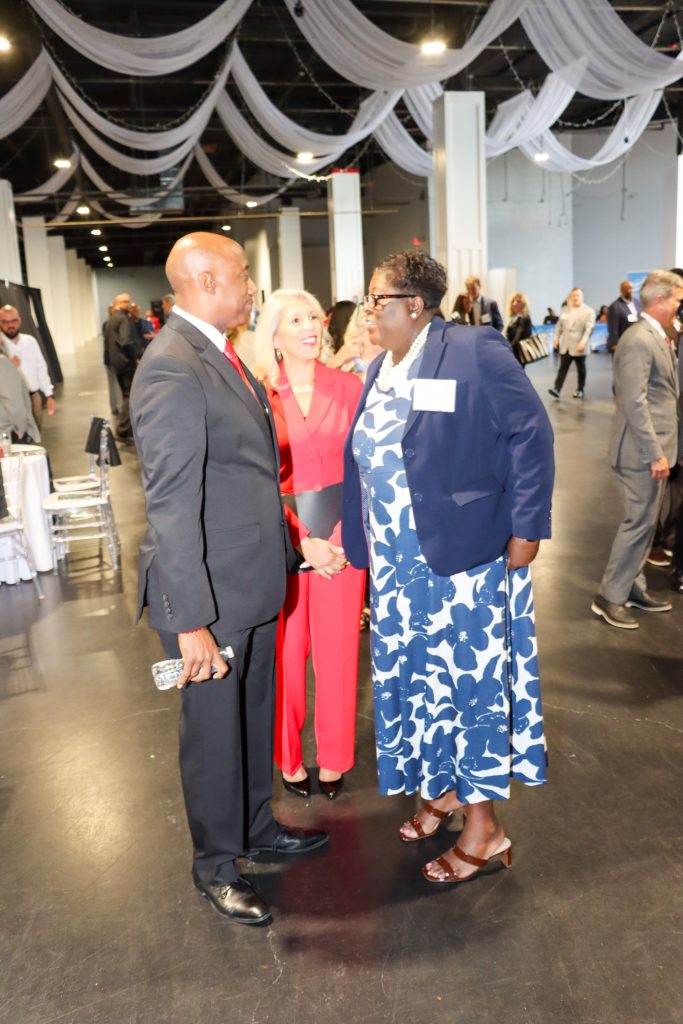
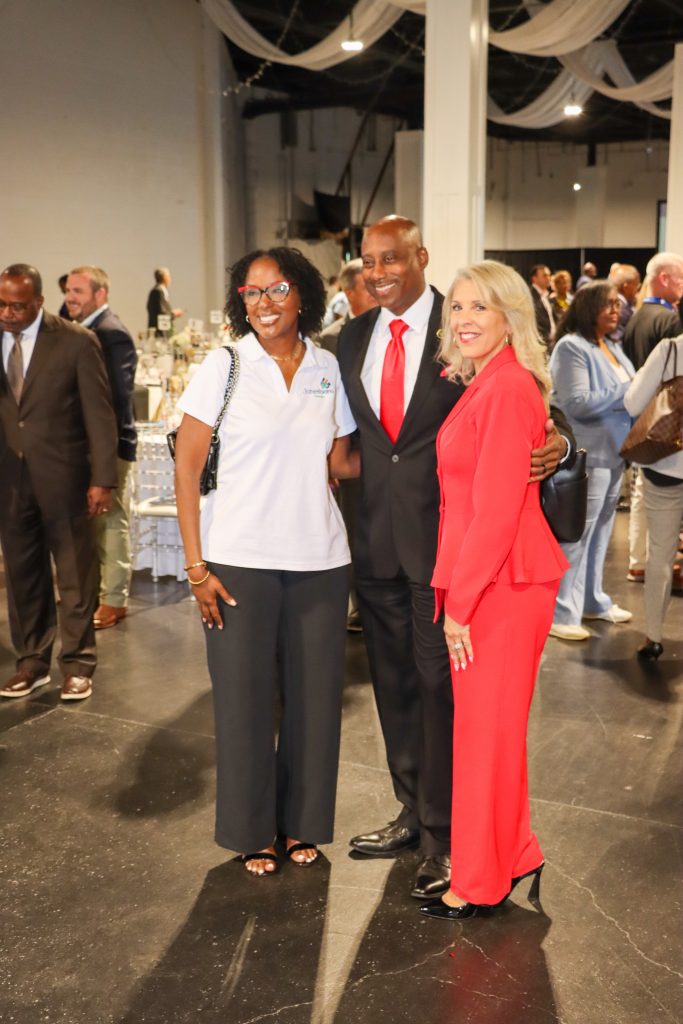
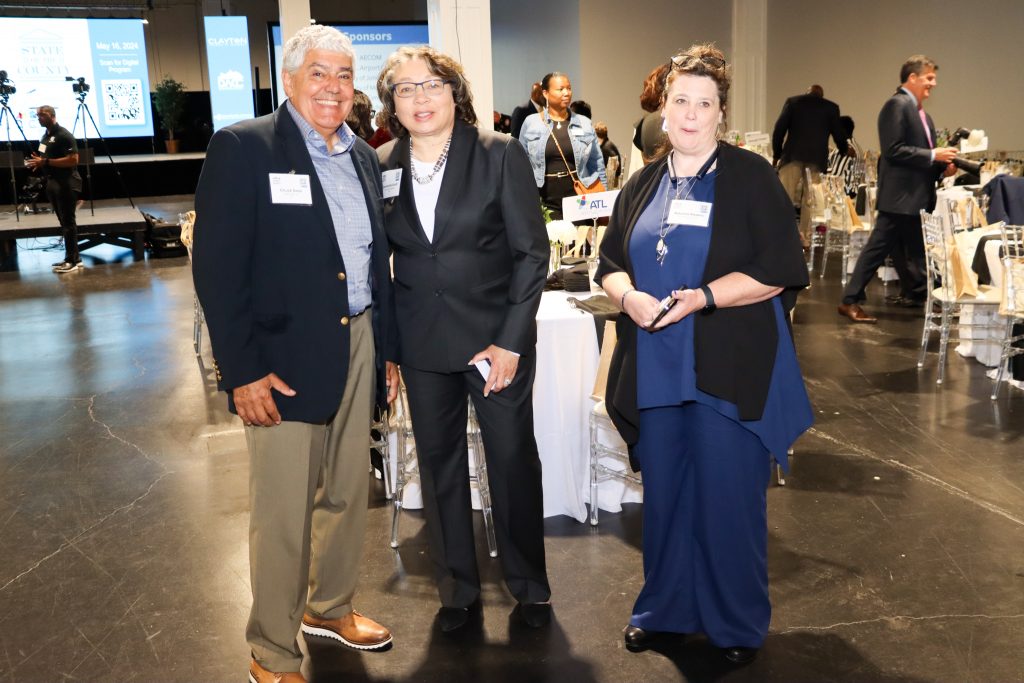
According to Board of Commissioners Chairman Robb Pitts in his annual State of the County address, Fulton County continues to thrive as a cornerstone of Georgia’s economy, education, and cultural life. Delivered on February 18, 2025, the address highlighted the county’s impressive achievements across various sectors and outlined a bold vision for the future.

Photo by Milton Kirby Robb Pitts

A Leader in Education and Workforce Development

Home to 1.2 million residents, Fulton County serves as an educational hub, with 136,000 students enrolled in Fulton County Schools and Atlanta Public Schools. Additionally, 120,000 students attend higher education institutions, including the county’s renowned Historically Black Colleges and Universities (HBCUs) such as Spelman College, Morehouse College, Morris Brown College, Interdenominational Theological Center Morehouse School of Medicine, and Clark Atlanta University.

Another accolade in education is that Dr. Mike Looney, Superintendent for Fulton County Schools, was named Georgia’s Superintendent of the Year for 2025, an honor bestowed by the Georgia School Boards Association and the Georgia School Superintendents Association.

Economic Powerhouse and Business Hub

Fulton County continues to be the economic engine of metro Atlanta. One-third of all wages paid in the metropolitan area are earned in Fulton County. According to Site Selection Magazine, the county also boasts the highest concentration of Fortune 500 companies in the nation, ranking fourth among U.S. counties. Delta Airlines, Georgia’s largest employer, is headquartered in the county.

The county’s economic strength extends to the arts, Georgia’s most significant public contributor to cultural programs. With over 200 parks, nature preserves, and walking trails, Fulton County provides a high quality of life for residents and visitors alike.

Sports, Culture, and Global Events

Fulton County is home to Atlanta’s professional sports teams, including the Hawks (NBA), Atlanta Dream (WNBA), Atlanta Falcons (NFL), United (MLS), and the Atlanta Fire (professional cricket). Additionally, there are ongoing efforts to bring a professional hockey franchise to the area.

The county will play a significant role on the global stage, hosting eight matches during the 2026 FIFA World Cup.

In November 2024, media worldwide reported on Fulton County’s elections from the newly constructed, state-of-the-art Elections Center, which consolidated all election activities under one roof. Secretary of State Brad Raffensperger praised the county for conducting a flawless election.

Investments in Infrastructure and Public Services

Fulton County has made significant strides in infrastructure, particularly in water and sewer management. The recently completed $350 million Big Creek Water Treatment Facility represents one of the most significant infrastructure projects in county history, and an additional $500 million facility is planned for the City of South Fulton.

Healthcare access is also improving, with the launch of the Fulton County Health and Human Services Campus in Alpharetta, which provides public health, behavioral health, senior services, and developmental disability support. A similar facility is in the planning stages for South Fulton. Additionally, a Mental Health Crisis Center opened on Metropolitan Parkway in October 2024, a collaboration between Fulton County, the State of Georgia, and Grady Hospital.

Advertisement

Cybersecurity and Government Resilience

One year after a cyberattack by the international crime ring LockBit, Fulton County has emerged stronger and more secure. Despite the attack shutting down government systems, county officials developed alternative solutions to maintain essential services. No ransom payments were made to the crime ring.

The attack on Fulton County and others prompted new legislation that now prevents the use of taxpayer funds to pay ransoms to cybercriminals, serving as a deterrent for future attacks.

A Vision for Continued Growth

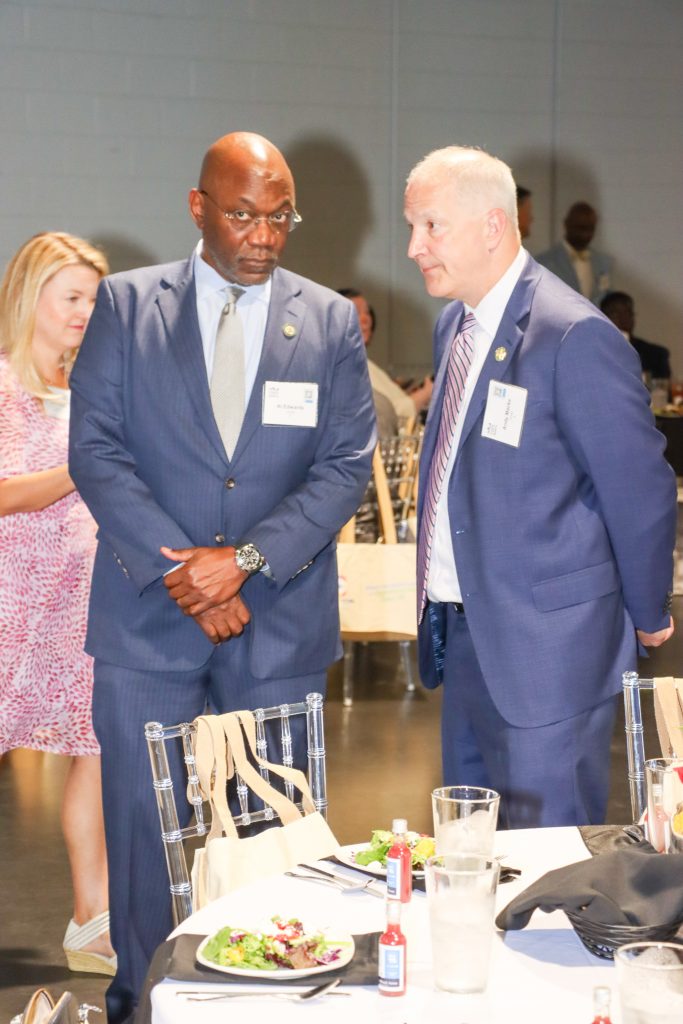
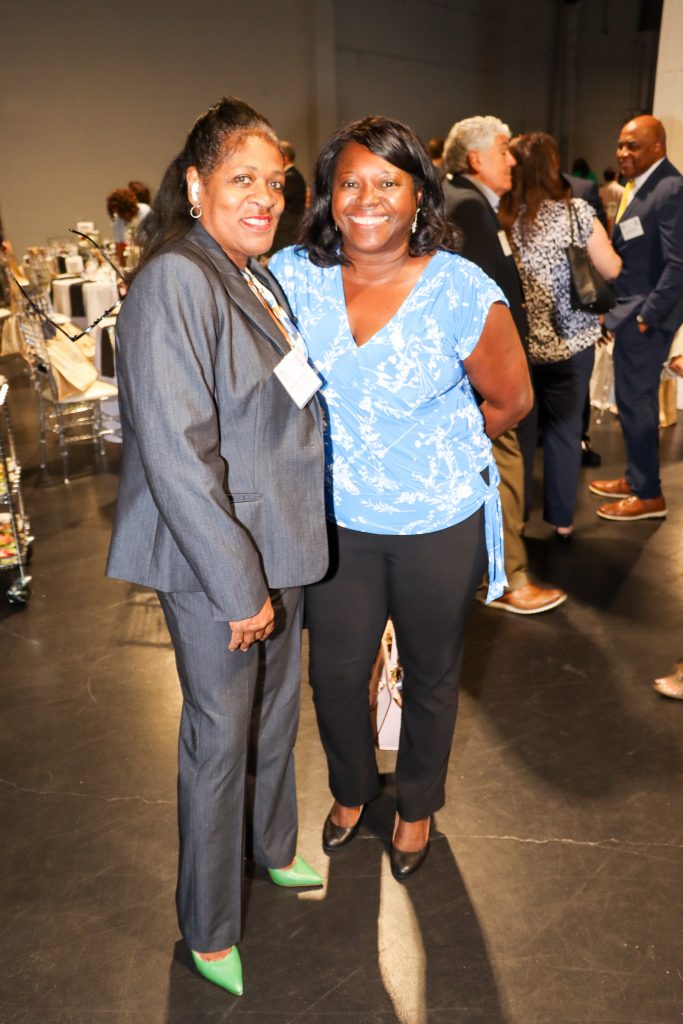
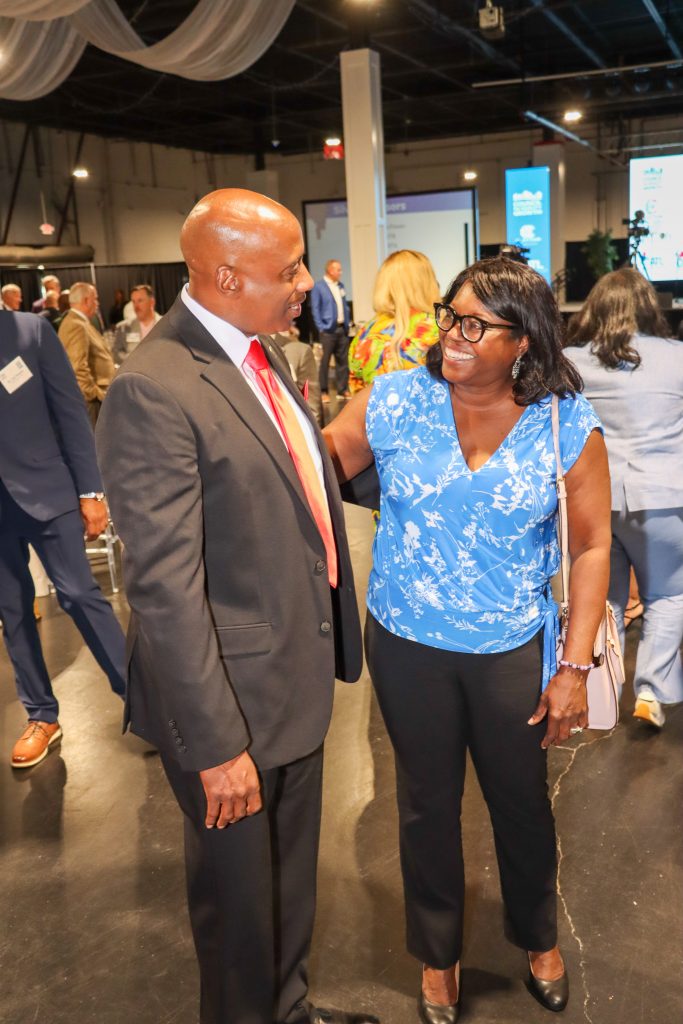
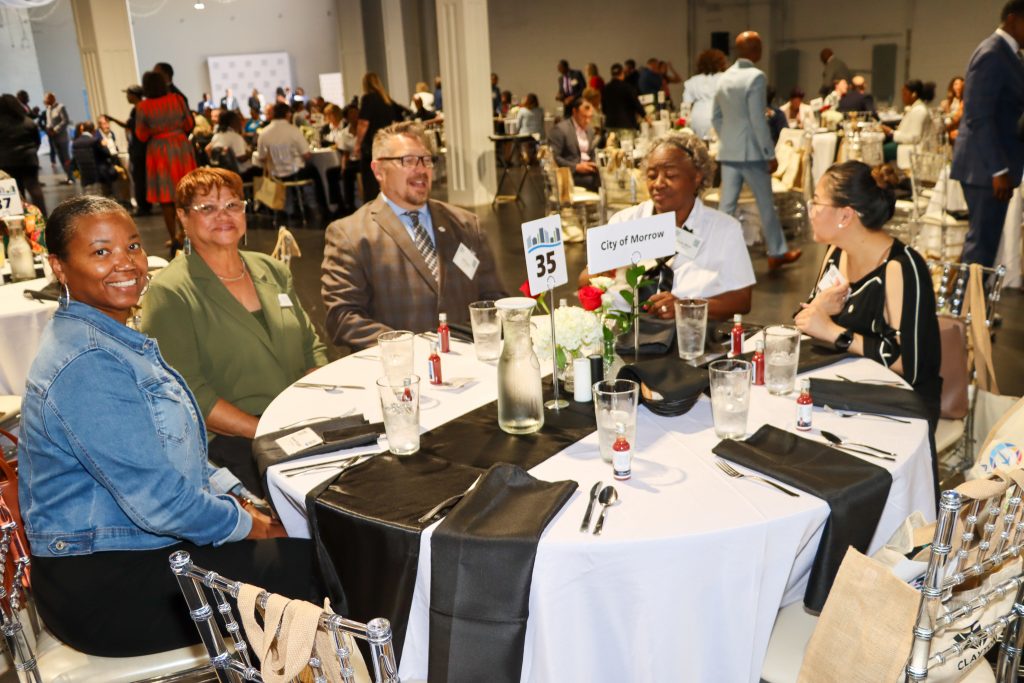
The State of the County event was hosted by the Council for Quality Growth, an advocacy organization that represents the interests of developers, contractors, engineers, planners, and other stakeholders in metro Atlanta’s growth and development. Chairman Pitts reaffirmed the county’s commitment to fostering economic prosperity while ensuring the well-being of all residents.

As Fulton County continues to expand and innovate, its status as Georgia’s economic, cultural, and educational hub remains unchallenged, setting a standard for progress in the region and beyond.


Corporate America Abandons DE&I, But Black-Owned Brands Are the Future

While corporations retreat, Black entrepreneurs continue to build, innovate, and thrive. According to NBC Select, over three million Black-owned brands are in the U.S., spanning every industry imaginable.


By Stacy M. Brown | NNPA Newswire Senior National Correspondent |@StacyBrownMedia

While corporations retreat, Black entrepreneurs continue to build, innovate, and thrive. According to NBC Select, over three million Black-owned brands are in the U.S., spanning every industry imaginable. As corporate America abandons its DE&I commitments, the power shifts to conscious consumers who invest in businesses that uplift and sustain marginalized communities.

Here are just a few standout Black-owned brands leading the charge:

Clothing & Accessories

  • Telfar – The brand that revolutionized luxury fashion with its motto: “Not for you—for everyone.”
  • Hanifa – A trailblazing womenswear brand founded by Anifa Mvuemba, known for its stunning digital fashion shows.
  • Pyer Moss – Founded by Kerby Jean-Raymond, this label merges activism and high fashion.
  • Grayscale – A streetwear brand bringing bold aesthetics and social commentary to the forefront.
  • Sassy Jones – A standout accessories brand built on bold, unapologetic self-expression.

Beauty & Skincare

  • Fenty Beauty – Rihanna’s globally inclusive beauty empire that set a new standard for shade diversity.
  • Mented Cosmetics – Beauty products created specifically for deeper skin tones.
  • The Lip Bar – A Black-woman-owned brand disrupting the beauty industry with bold, non-toxic lipstick shades.
  • Pattern Beauty – Founded by Tracee Ellis Ross, specializing in products for textured hair.
  • Alikay Naturals – Natural haircare products with a devoted following.

Home & Lifestyle

  • Estelle Colored Glass – Hand-blown glassware that brings Black excellence to fine dining.
  • Jungalow – A home décor brand from designer Justina Blakeney, blending culture and bohemian flair.
  • Linoto – Luxury linen bedding made with sustainability in mind.
  • Yowie – A modern design studio curating unique home goods from independent artists.

Food & Beverage

  • Partake Foods – A Black-owned snack company offering allergen-friendly cookies and treats.
  • McBride Sisters Wine Collection – The largest Black-owned wine company in the U.S., run by two sisters redefining the industry.
  • Uncle Nearest Whiskey – Honoring Nathan “Nearest” Green, the Black distiller behind Jack Daniel’s original recipe.
  • Capital City Mambo Sauce – The D.C. favorite taking over the condiment industry.

Meanwhile, corporate America’s performative commitment to diversity, equity, and inclusion (DE&I) is unraveling at an alarming rate. In the years following the murder of George Floyd, corporations made bold promises to support marginalized communities, pledging billions in investments to level the playing field. But as the political landscape shifts and accountability wanes, those commitments are being discarded. A staggering number of major corporations have scaled back or eliminated DE&I programs: Amazon, Target, Amtrak, Goldman Sachs, Disney, Deloitte, PBS, Google, Pepsi, General Motors (GM), GE, Intel, PayPal, Chipotle, Comcast, Accenture, The Smithsonian Institution, the FBI, Meta, Walmart, Boeing, Molson Coors, Ford Motor Co., Harley-Davidson, and John Deere have all abandoned or severely reduced their diversity efforts. The very companies that once paraded their commitment to racial equity in multimillion-dollar ad campaigns are now quietly erasing those initiatives from their bottom lines.

Not everyone is staying silent. Dr. Jamal Bryant, the influential pastor of New Birth Missionary Baptist Church in metro Atlanta, is leading a 40-day economic fast—or boycott—of Target in direct response to the retailer’s decision to phase out its DE&I initiatives. Target, headquartered in Minneapolis—the city where George Floyd was murdered in 2020—originally pledged $2 billion in investments toward Black-owned businesses. That commitment was due in December 2025, but on January 24, Target announced it would end its DE&I efforts, effectively abandoning that financial commitment. Bryant, appearing on the Black Press’ Let It Be Known news program, condemned the move. “After the murder of George Floyd, they made a $2 billion commitment to invest in Black businesses,” he said. “When they pulled out of the DE&I agreement in January, they also canceled that $2 billion commitment.”

Target is just the beginning. Bryant calls for 100,000 people to halt their spending at the retail giant as a direct challenge to corporate America’s retreat from racial equity. “Black people spend $12 million a day at Target,” he said. “Because of how many dollars are spent there and the absence of commitment to our community, we are focusing on Target first.” The boycott, designed to coincide with Lent, aims to leverage Black economic power to hold corporations accountable. Within just one week, 50,000 people had already signed the petition at targetfast.org, signaling the growing momentum behind the movement.

Advertisement

Bryant’s demands go beyond reinstating DE&I. “White women are the number one beneficiary of DE&I,” he noted. “What I am asking for is a quarter of a billion dollars to be invested in Black banks so that our Black businesses can scale.” He also called for Target to partner with HBCUs by integrating their business departments into its supply chain infrastructure. Meanwhile, the National Newspaper Publishers Association (NNPA)—the nation’s largest Black-owned media organization—has announced its own national public education and selective buying campaign in response to corporate America’s retreat from DE&I. “We are the trusted voice of Black America, and we will not be silent or nonresponsive to the rapid rise of renewed Jim Crow racist policies in corporate America,” said NNPA Chairman Bobby R. Henry Sr.

NNPA President and CEO Dr. Benjamin F. Chavis Jr. reinforced the need for financial realignment. “Black Americans spend $2 trillion annually. We must evaluate and realign to question why we continue to spend our money with companies that do not respect us. These contradictions will not go unchallenged.” In response, Bryant has partnered with Ron Busby, president and CEO of the U.S. Black Chambers, to provide consumers with a directory of 300,000 Black-owned businesses. “You can’t tell people what not to do without showing them what to do,” Bryant said. “If you’re not going to Target or Walmart but need essentials like toilet paper, soap, or detergent, we’ll show you where to get them and reinvest in Black businesses.”

And the impact of the boycott is already felt. Since Black consumers began boycotting Target, the company’s stock has dropped by $11, Bryant noted. Stockholders are now suing Target due to the adverse effects of the boycott on its stock value. Bryant said the question is no longer whether corporate America will keep its promises—it’s clear that it won’t. He said the same companies that plastered Black squares on social media and made grand statements about inclusion are now proving where their true priorities lie. “America has shown us time and time again: if it doesn’t make dollars, it doesn’t make sense,” Bryant stated.

Kendrick Lamar’s Super Bowl Performance Sparks National Debate

Kendrick Lamar’s Super Bowl LIX halftime performance on February 9, 2025, has become a focal point of national discussion, eliciting a spectrum of reactions from acclaim to controversy.


By Milton Kirby | Atlanta, GA | February 15, 2025

Kendrick Lamar’s Super Bowl LIX halftime performance on February 9, 2025, has become a focal point of national discussion, eliciting a spectrum of reactions from acclaim to controversy. Lamar engaged the audience with satire and symbolism, and the lyrics touched on political and hot-button issues.

Dr. Dre, Missy Elliott, Travis Scott, and Ludacris have performed at the Super Bowl, but Kendrick Lamar was the first solo rap artist to headline the Super Bowl, which was the most watched to-date with 127.7 million viewers. Lamar’s performance was both a personal milestone and a significant moment for hip-hop culture.

A Performance Rich in Symbolism and Star Power

The halftime show commenced with actor Samuel L. Jackson portraying Uncle Sam, delivering satirical commentary that set the stage for Lamar’s politically charged set. Lamar’s repertoire included tracks like “Bodies,” “Squabble Up,” “HUMBLE,” “DNA,” and “Euphoria.” R&B artist SZA joined him for renditions of “Luther” and “All the Stars.” A standout moment was tennis legend Serena Williams performing the Crip Walk during “Not Like Us”. Williams’ dance was a nod to her 2012 Olympic victory celebration, which had previously sparked controversy.

Advertisement

Diverse Reactions and Political Undertones

The performance’s political undertones were evident, with Jackson’s Uncle Sam character symbolizing American societal and political systems. Lamar’s critique of national issues was highlighted during “HUMBLE,” where a depiction of the American flag split, symbolizing division. The show also referenced the unfulfilled promise of “40 acres and a mule” to formerly enslaved people, underscoring themes of systemic inequality.

Reactions to the halftime show were polarized. While many praised its artistry and bold messaging, conservative figures like Matt Gaetz and Lauren Boebert criticized it. Former wrestler Hulk Hogan expressed confusion over the performance, stating he “couldn’t understand a word that was being said.” Conversely, Kid Rock, known for opposing Diversity, Equity, and Inclusion initiatives, surprisingly commended Lamar’s unapologetic style during an appearance on “Real Time with Bill Maher.”

Feud with Drake Intensifies

The inclusion of “Not Like Us” intensified Lamar’s ongoing feud with Drake. Despite legal actions from Drake and his team, Lamar performed a censored version of the track, omitting contentious lyrics. Drake, in response, released “Gimme a Hug” from his album “$ome $exy $ongs 4 U,” signaling a desire to move past the rivalry.

NFL’s Reflections and Future Considerations

The NFL faced scrutiny over its selection of Lamar as the headliner, especially given the event’s New Orleans location. Critics argued that local rapper Lil Wayne would have been a more fitting choice. NFL insiders admitted to regretting the decision, acknowledging that Lil Wayne’s connection to the city might have resonated better with the audience.
A Decorated Career

Beyond the Super Bowl, Kendrick Lamar’s career is adorned with numerous accolades. He has received 22 Grammy Awards out of 57 nominations, making him one of the most awarded rappers in Grammy history. In 2018, he made history by winning the Pulitzer Prize for Music for his album “DAMN.,” becoming the first non-classical or jazz artist to receive the honor. Excluding the Grammy, Kendrick has been nominated for 421 music awards winning 182.

Looking Ahead

As Lamar continues his Grand National Tour with SZA, the impact of his Super Bowl appearance remains a topic of fervent discussion. At 37, Lamar shows no signs of slowing down, with his recent album “GNX” receiving critical acclaim and commercial success. His Super Bowl performance showcased his artistic prowess and solidified his position as a cultural icon unafraid to address complex societal issues through his music.

The tour will include a stop in Atlanta, GA, on Tuesday, April 29, 2025, as well as other cities before ending in June.

Chuck Burch: Skating, Golfing, and Giving Back Through Scholarships

Chuck Burch has dedicated over two decades to transforming lives through education via the Chuck Burch Scholarship Fund (CBSF), which has awarded over $315,000 to more than 200 students. CBSF not only provides scholarships but also advocates for education, mentoring students through financial aid and college navigation while fostering community engagement.

By Milton Kirby | Dallas, TX | February 10, 2025

Chuck Burch has been on a mission to transform lives through education for more than two decades. As of December 31, 2024, the Chuck Burch Scholarship Fund (CBSF) has awarded over $315,000 in scholarships to more than 200 students and organizations, helping young minds access higher education opportunities they might not have otherwise had.

Photo by Milton Kirby – Church Burch

The CBSF was founded in 2000, and its guiding principle is clear: “To invoke the wheels of change in a young person’s life by providing them access to resources that make higher education an attainable goal.” More than just a scholarship fund, CBSF advocates for education, guiding students through the financial aid process and helping them navigate college. Thanks to Burch’s leadership, the foundation has cultivated relationships with high schools, colleges, and universities nationwide, making it easier for students to secure funding, connect with prospective institutions, and, in many cases, get recruited.

A Personal Journey of Resilience and Determination


Burch’s passion for education is deeply personal. Growing up in Detroit, Michigan, in a single-parent household as the oldest of three children, he faced financial hardships early on. Neither of his parents completed college, but his mother instilled in him the importance of academic excellence and athletics.

His college journey began with limited financial resources, forcing him to apply strategically to schools that waived application fees. He was accepted into Howard University and Florida A&M University. He received full scholarships from Morehouse College and North Carolina A&T State University. When North Carolina A&T personally reached out to recruit him, he felt valued and ultimately chose to attend the university—a decision that would shape his future.

After graduating, Burch entered the corporate world, landing an internship at Arthur Andersen and a full-time position at KPMG in Texas. However, when the economy took a downturn, he and his entire entry class were laid off. With no clear path forward, he took short-term jobs—swiping credit cards overnight to test machines, picking up highway trash, and doing anything necessary to stay afloat.

Turning Setbacks into Success


Unemployment challenges led Burch to an important realization: financial stability required multiple income streams. In 1983, after being laid off, he partnered with a colleague to offer bookkeeping and tax preparation services from a kitchen table. By 2003, after another layoff, he was ready to commit to entrepreneurship fully.

Encouraged by a client who told him, “Now you have more time for me,” Burch launched The Burch Financial Group (BFG), a tax, financial advisory, and wealth management firm. BFG provides tax and financial planning services to individuals and small businesses, helping clients navigate investments, retirement, education funding, tax planning, risk management, and estate strategies.

Giving Back: The Birth of CBSF


Despite his financial success, Burch never forgot the impact of his college scholarship. He committed to giving back in honor of North Carolina A&T’s role in his life. What began as a small golf tournament among friends grew into a nationwide scholarship initiative fueled by Burch’s love of roller skating and golf. Through annual roller-skating parties and golf tournaments, CBSF raises between $20,000 and $25,000 annually to support aspiring college students.

The Mission of CBSF


CBSF is dedicated to fostering “Education for the Next Generation” through college scholarships, financial education, mentoring, career development, and community engagement. With the support of volunteers, businesses, corporate sponsors, and the wider community, CBSF provides much-needed resources to students striving for a brighter future.

The foundation currently serves students and families in the Dallas/Fort Worth area and roller-skating and golfing communities across Texas, Oklahoma, and Louisiana. With a growing presence in the national roller-skating community, CBSF is reaching more students than ever before. Many recipients have gone on to become successful entrepreneurs, corporate managers, and professionals, often citing their CBSF scholarship as the financial bridge that made college possible.

Scholarship Details


Each year, CBSF awards a scholarship to a student from the Dallas/Fort Worth area who has been accepted as an incoming freshman at North Carolina A&T State University. The scholarship is awarded in two payments—half in the fall and half in the spring of the student’s first year—and is not renewable.

Eligibility Criteria:

  • Must be a graduating high school senior in the Dallas/Fort Worth Metroplex.
  • Must have been accepted to North Carolina A&T State University.
  • Must be a U.S. citizen.
  • Must not be receiving a full academic or athletic scholarship to NCA&T.
  • Must demonstrate financial need as evaluated by the scholarship committee.
  • Selection is based on a combination of academic performance, extracurricular involvement, and financial need.

A Passion for Roller Skating and Community Building


Beyond financial planning and philanthropy, Burch has a personal passion—roller skating. He frequently hosts skating events to fundraise for CBSF, bringing together communities while supporting needy students.

“I love roller skating. It’s my favorite recreational activity,” Burch says, emphasizing how his interests fuel his ability to give back.

Prospective applicants can find more details and apply through the following platforms:

Through education, mentorship, and his passions for roller skating and golf, Chuck Burch continues to change lives—one scholarship at a time

Brave + Kind Bookshop: Empowering Young Readers

In the heart of Decatur, Georgia, at 722 W. College Ave., Brave and Kind Bookshop is an independent bookstore founded by local mom Bunnie Hilliard.

By Milton Kirby | Decatur, GA | February 2, 2025

In the heart of Decatur, Georgia, at 722 W. College Ave., Brave + Kind Bookshop is an independent bookstore founded by local mom Bunnie Hilliard. This Black-owned, women-led establishment offers a thoughtfully curated selection of diverse and artful stories designed to inspire bravery and kindness. While primarily focused on children and young adults, the shop also features select titles for adults.

Bunnie Hilliard – Talks about bookshop neighbor

One of the unique services offered by Brave + Kind is personalized book bundles. Whether you’re seeking a collection of beautiful nonfiction books, the perfect art and literature combination for a special child, or a starter library for a newborn, the staff will curate, wrap, and arrange for pickup or delivery to suit your needs.

The bookstore also serves as a community hub, hosting various events such as bilingual story times, youth book club meet-ups, and workshops for budding writers. Upcoming events include an Educator’s Night with author Renée Watson discussing “All the Blues in the Sky” on February 7, 2025, and a book launch party with Ibi Zoboi for “(S)kin” on February 20, 2025.

Reflecting on the inspiration behind the bookstore, Hilliard shared, “In 2016, after the election and after two years of feeling unseen and unheard as a mom of two young Black children looking to raise readers, I had a hard time finding books that had main characters or stories that resonated with the people that I was raising or the characters that I wanted to show them.” This realization led her to create a space that celebrates diverse stories, not as a section of the store but as its core essence.

In today’s digital age, there is a debate between eBooks and printed books. eBooks offer advantages such as portability, instant access, adjustable fonts, and built-in dictionaries. They are often more affordable and environmentally friendly, as they don’t require paper or physical storage space.

However, printed books provide a tactile experience that many readers cherish. The physical act of turning pages, the smell of paper, and the visual appeal of a book on a shelf contribute to a unique reading experience. Additionally, reading from a screen can lead to eye strain and may disrupt sleep patterns due to blue light exposure.

Research from Michigan Medicine indicates that reading print books to toddlers fosters higher-quality interactions between parents and children compared to digital books. The study found that traditional print books encourage more frequent and meaningful conversations during reading sessions.

Unlike digital screens, physical books do not emit blue light, which can lead to eye strain and disrupt sleep patterns. The American Optometric Association warns that prolonged screen time can cause digital eye strain, resulting in symptoms like dry eyes, headaches, and blurred vision. Limiting screen exposure, especially before bedtime, can help mitigate these effects.

A meta-analysis published in the Journal of Research in Reading found that reading from paper has a small advantage in reading performance and metacognition over screens. This suggests that individuals may comprehend and retain information better when reading print materials.

Recognizing readers’ evolving preferences, Brave + Kind Bookshop has partnered with Bookshop.org and Libro.FM, online platforms that support local independent bookstores. Through this partnership, customers can purchase physical books and eBooks online, with a portion of the proceeds benefiting Brave + Kind.

When speaking about operating a small business, she noted “One of the things that I am most proud of is that we launched the “The Atlanta Indie Bookshop Crawl.” We contacted every bookstore within a five-mile radius and invited them to be a part of an event whereby customers could visit all independent bookstores in one day.

We created a passport displaying the logos of all participants. The bookshop crawl was launched on small business Saturday. We are up to 30 bookstores now.

Not only is the bookshop a part of the local community, but Hilliard is also an active participant in her trade associations as a member of the American Book Sellers Association and board member of the Southern Independent Booksellers Alliance and has been a member of many independent bookstore associations.

As for the future, Hilliard would like to expand the bookshop and add a café and coffee shop to the bookstore.

For more information, visit their website at braveandkindbooks.com or follow them on Instagram @braveandkindbooks. They can also be reached by phone at 470-440-5714.

What is DeepSeek, the Chinese AI company upending the stock market?

Chinese startup DeepSeek’s AI chatbot, gaining rapid popularity and market attention, has sparked concerns in the U.S. about competition in AI development. Analysts caution against overestimating its technological advancements, emphasizing its cost-effectiveness and potential geopolitical implications, highlighting a pressing debate on U.S.-China AI rivalry amid semiconductor export restrictions.

By Matt O’Brien | January 27, 2025

A frenzy over an artificial intelligence chatbot made by Chinese tech startup DeepSeek was upending stock markets Monday and fueling debates over the economic and geopolitical competition between the U.S. and China in developing AI technology.

DeepSeek’s AI assistant became the No. 1 downloaded free app on Apple’s iPhone store Monday, propelled by curiosity about the ChatGPT competitor. Part of what’s worrying some U.S. tech industry observers is the idea that the Chinese startup has caught up with the American companies at the forefront of generative AI at a fraction of the cost.

That, if true, calls into question the huge amounts of money U.S. tech companies say they plan to spend on the data centers and computer chips needed to power further AI advancements.

But hype and misconceptions about DeepSeek’s technological advancements also sowed confusion.

“The models they built are fantastic, but they aren’t miracles either,” said Bernstein analyst Stacy Rasgon, who follows the semiconductor industry and was one of several stock analysts describing Wall Street’s reaction as overblown.

“They’re not using any innovations that are unknown or secret or anything like that,” Rasgon said. “These are things that everybody’s experimenting with.”

What is DeepSeek?

The startup DeepSeek was founded in 2023 in Hangzhou, China and released its first AI large language model later that year. Its CEO Liang Wenfeng previously co-founded one of China’s top hedge funds, High-Flyer, which focuses on AI-driven quantitative trading. The fund, by 2022, had amassed a cluster of 10,000 of California-based Nvidia’s high-performance A100 graphics processor chips that are used to build and run AI systems, according to a post that summer on Chinese social media platform WeChat. The U.S. soon after restricted sales of those chips to China.

DeepSeek has said its recent models were built with Nvidia’s lower-performing H800 chips, which are not banned in China, sending a message that the fanciest hardware might not be needed for cutting-edge AI research.

DeepSeek began attracting more attention in the AI industry last month when it released a new AI model that it boasted was on par with similar models from U.S. companies such as ChatGPT maker OpenAI, and was more cost-effective in its use of expensive Nvidia chips to train the system on troves of data. The chatbot became more widely accessible when it appeared on Apple and Google app stores early this year.

But it was a follow-up research paper published last week — on the same day as President Donald Trump’s inauguration — that set in motion the panic that followed. That paper was about another DeepSeek AI model called R1 that showed advanced “reasoning” skills — such as the ability to rethink its approach to a math problem — and was significantly cheaper than a similar model sold by OpenAI called o1.

“What their economics look like, I have no idea,” Rasgon said. “But I think the price points freaked people out.”

The ‘Sputnik’ backdrop

Behind the drama over DeepSeek’s technical capabilities is a debate within the U.S. over how best to compete with China on AI.

“Deepseek R1 is AI’s Sputnik moment,” said venture capitalist Marc Andreessen in a Sunday post on social platform X, referencing the 1957 satellite launch that set off a Cold War space exploration race between the Soviet Union and the U.S.

Andreessen, who has advised Trump on tech policy, has warned that overregulation of the AI industry by the U.S. government will hinder American companies and enable China to get ahead.

But the attention on DeepSeek also threatens to undermine a key strategy of U.S. foreign policy in recent years to restrict the sale of American-designed AI semiconductors to China. Some experts on U.S.-China relations don’t think that is an accident.

“The technology innovation is real, but the timing of the release is political in nature,” said Gregory Allen, director of the Wadhwani AI Center at the Center for Strategic and International Studies. Allen compared DeepSeek’s announcement last week to U.S.-sanctioned Chinese company Huawei’s release of a new phone during diplomatic discussions over Biden administration export controls in 2023.

“Trying to show that the export controls are futile or counterproductive is a really important goal of Chinese foreign policy right now,” Allen said.

On Monday, Trump said DeepSeek’s breakthrough was “good because you don’t have to spend this much money.”

Speaking Monday to House Republicans in Miami, Trump called the DeepSeek news “positive” if it is accurate because “you won’t be spending as much and you’ll get the same result.” He called the development a “wakeup call for our industries that we need to be laser focused on competing to win.”

Trump signed an order on his first day in office last week that said his administration would “identify and eliminate loopholes in existing export controls,” signaling that he is likely to continue and harden Biden’s approach.

DeepSeek’s progress on AI without the same amount of spending could possibly undermine the potentially $500 billion AI investment by OpenAI, Oracle and SoftBank that Trump touted at the White House.

Nvidia’s stock dropped 17% Monday, but the company in a statement commended DeepSeek’s work as “an excellent AI advancement” that leveraged “widely-available models and compute that is fully export control compliant.”

What makes DeepSeek different?

One thing that distinguishes DeepSeek from competitors such as OpenAI is that its models are “open source” — meaning key components are free for anyone to access and modify, though the company hasn’t disclosed the data it used for training.

But what’s attracted the most admiration about DeepSeek’s R1 model is what Nvidia calls a “perfect example of Test Time Scaling” — or when AI models effectively show their train of thought, and then use that for further training without having to feed them new sources of data.

“It’s just thinking out loud, basically,” said Lennart Heim, a researcher at Rand Corp.

OpenAI’s reasoning models, starting with o1, do the same, and it’s likely that other U.S.-based competitors such as Anthropic and Google have similar capabilities that haven’t been released, Heim said.

But “it’s the first time that we see a Chinese company being that close within a relatively short time period. I think that’s why a lot of people pay attention to it,” Heim said. “I used to believe OpenAI was the leader, the king of the hill, and that nobody could catch up. Turns out this is not completely the case.”

MATT O’BRIEN

O’Brien covers the business of technology and artificial intelligence for The Associated Press.

Boss Talks, Boss Tables & Boss Networking: A Game-Changing Event for Entrepreneurs

Boss Talks, Boss Tables & Boss Networking, hosted by The Oliver Price Group, LLC, aims to assist entrepreneurs in achieving business success through actionable strategies and networking opportunities. Scheduled for March 8, 2025, the event will feature sessions on streamlining systems, strengthening leadership, and leveraging technology to foster long-term growth for small business owners.


By Milton Kirby | Atlanta, GA | January 19, 2025

Entrepreneurs seeking to grow their businesses while staying true to their passions and talents now have an exciting new opportunity: Boss Talks, Boss Tables & Boss Networking. This innovative event, created by The Oliver Price Group, LLC (OPG), is designed to provide actionable strategies, tools, and networking opportunities to help small business owners thrive.

The Vision Behind the Event

The Oliver Price Group, LLC, a strategic business consulting and coaching organization, is dedicated to equipping entrepreneurs with the resources needed to build scalable businesses. Their philosophy is simple: a vision without execution is just a daydream. Through carefully crafted plans and tools, OPG aims to turn entrepreneurial dreams into reality.

Founded by mother-daughter duo Florena Oliver and Bria Price, OPG brings together decades of expertise in leadership, operations, and small business development.

Courtesy of Oliver Price Group
  • Florena Oliver, with more than 30 years of business experience, is a results-driven leader who has fostered growth within diverse communities. Her tenure as Vice President of Operations/Chief of Staff at the Georgia Minority Supplier Development Council (GMSDC) highlights her ability to support minority-owned enterprises. Florena’s experience ranges from launching major products for Fortune 500 companies to mentoring new entrepreneurs through comprehensive business studies. A graduate of Tuskegee University, she holds a Bachelor of Science in Education.
Courtesy of Oliver Price Group
  • Bria Price, an accomplished entrepreneur and leader, began her journey in business during junior high with a babysitting service. After earning a Master of Public Policy at Brandeis University and obtaining certification as a Lego Serious Play (LSP) facilitator, Bria returned to Atlanta to support small business growth. Her expertise in creative problem-solving and leadership development makes her a vital asset to OPG.

What to Expect at Boss Talks, Boss Tables & Networking

This transformative event is set to take place on Saturday, March 8, 2025, from 9:30 AM to 1:30 PM at Grasstown, 1152 Brett Dr., Conyers, Georgia 30094. The event features four dynamic sessions designed to provide entrepreneurs with practical strategies for business success:

  • Streamline Your Systems: Learn how to create efficient processes to save time and boost productivity.
  • Strengthen Your Leadership: Discover insights on leading with purpose and inspiring your team.
  • Leverage Technology: Explore tools to optimize operations and enhance performance.

In addition to these sessions, attendees will have the opportunity to engage in meaningful networking and mentorship discussions, fostering connections that can drive long-term growth.

Join the Movement

Boss Talks, Boss Tables & Boss Networking is more than just an event; it’s a platform to inspire and empower entrepreneurs to take their businesses to the next level. Whether you’re a seasoned business owner or just starting, this event offers actionable insights and a supportive community to help you succeed.

Mark your calendar and prepare to transform your business aspirations into reality.

Additional information

To Register

Video Courtesy of Oliver Price Group, LLC

Imaging USA 2025: A Premier Photography Event for Professionals and Enthusiasts

Imaging USA 2025, held from February 2-4 in Dallas, TX, promises an enriching experience for photographers. The event includes educational classes, networking opportunities, competitions, and insights from industry leaders to enhance skills and business growth.


By Milton Kirby | Atlanta, GA January 11, 2025

Imaging USA, one of the largest and longest-running photography conferences and expos in the United States returns in February 2-4, 2025, in Dallas, TX, promising an unparalleled experience for photographers of all levels. Organized annually by the Professional Photographers of America (PPA), this flagship event has been a cornerstone of the photography community since the PPA’s inception in 1880.

With over 10,000 attendees, Imaging USA is a hub for education, innovation, and inspiration. The three-day conference offers photographers various opportunities to hone their craft, grow their businesses, and connect with industry leaders.

Key Highlights of Imaging USA 2025

Educational Classes and Workshops – Imaging USA features a comprehensive lineup of classes and workshops led by industry-leading photographers and educators. Topics include portrait, wedding, and sports photography, business strategies, post-processing techniques, and marketing tips tailored to help photographers succeed in a competitive market.

Exhibit Hall – The expansive exhibit hall is a treasure trove for photography enthusiasts. It showcases the latest in cameras, lenses, lighting equipment, software, and other tools. With hands-on demonstrations, attendees can explore and test cutting-edge gear from hundreds of vendors.

Networking Opportunities – Imaging USA offers numerous chances to connect with peers and industry professionals. The conference fosters collaboration, idea sharing, and community building, from special events and meetups to informal gatherings.

Competitions and Gallery Displays – The International Photographic Competition (IPC) is a highlight of the event. It features gallery displays of award-winning images. Photographers can have their work evaluated by certified judges, gaining valuable insights and recognition.

Certification and Business Training – Attendees can pursue certifications like the Certified Professional Photographer (CPP) designation and participate in marketing, branding, and business growth workshops. These sessions provide actionable strategies for photographers aiming to enhance their skills and expand their client base.

Inspiration from Keynote Speakers – Prominent figures in the photography industry take the stage to deliver motivational talks and share success stories, inspiring attendees to elevate their craft and pursue their artistic visions.

PPA: A Legacy of Supporting Photographers

As the world’s largest non-profit photography organization, the PPA boasts over 35,000 members and provides a wealth of resources, including insurance, discounts, certifications, and educational materials. Membership benefits include up to $15,000 in equipment insurance coverage, discounted services, and access to an exclusive photography community.

Why Attend Imaging USA?

Whether you’re a seasoned professional or an aspiring photographer, Imaging USA offers a transformative experience. From the awe-inspiring photography exhibits to the practical business advice, this event equips attendees with the tools and knowledge to succeed.

Mark your calendar for Imaging USA 2025 and join thousands of photographers in celebrating the art, business, and community of photography. Prepare to be inspired, educated, and ready to take your photography journey to the next level.

Click here to register


Exit mobile version