When we launched The Truth Seekers Journal (TSJ), our mission was simple: to restore trust in local journalism by focusing on verified facts, transparency, and the stories that truly shape our community.
Today, I am proud to share that the “pulse” of this journal is stronger than ever. This past week, we reached a significant turning point in our growth. Our page views have tripled, and most importantly, our Returning Visits have grown by over 1,000%. This tells me that TSJ isn’t just a site you stumble upon. It is becoming a trusted resource you rely on.
National Recognition
I am also honored to announce that The Truth Seekers Journal has been awarded a prestigious rural reporting grant from Grist, following a highly competitive national selection process. Grist is a national leader in environmental and justice journalism.
Furthermore, to ensure we maintain the highest ethical standards, we have been formally accepted as members of the Society of Professional Journalists (SPJ), the Online News Association (ONA), the National Association of Black Journalists (NABJ), and the Atlanta Press Club. These affiliations are our “gold standard” promise to you that our reporting is independent, ethical, and professional.
Expanding Our Expertise
Growth isn’t just about numbers; it’s about the depth of the stories we can tell. I am thrilled to highlight two key pillars of our expanded editorial team:
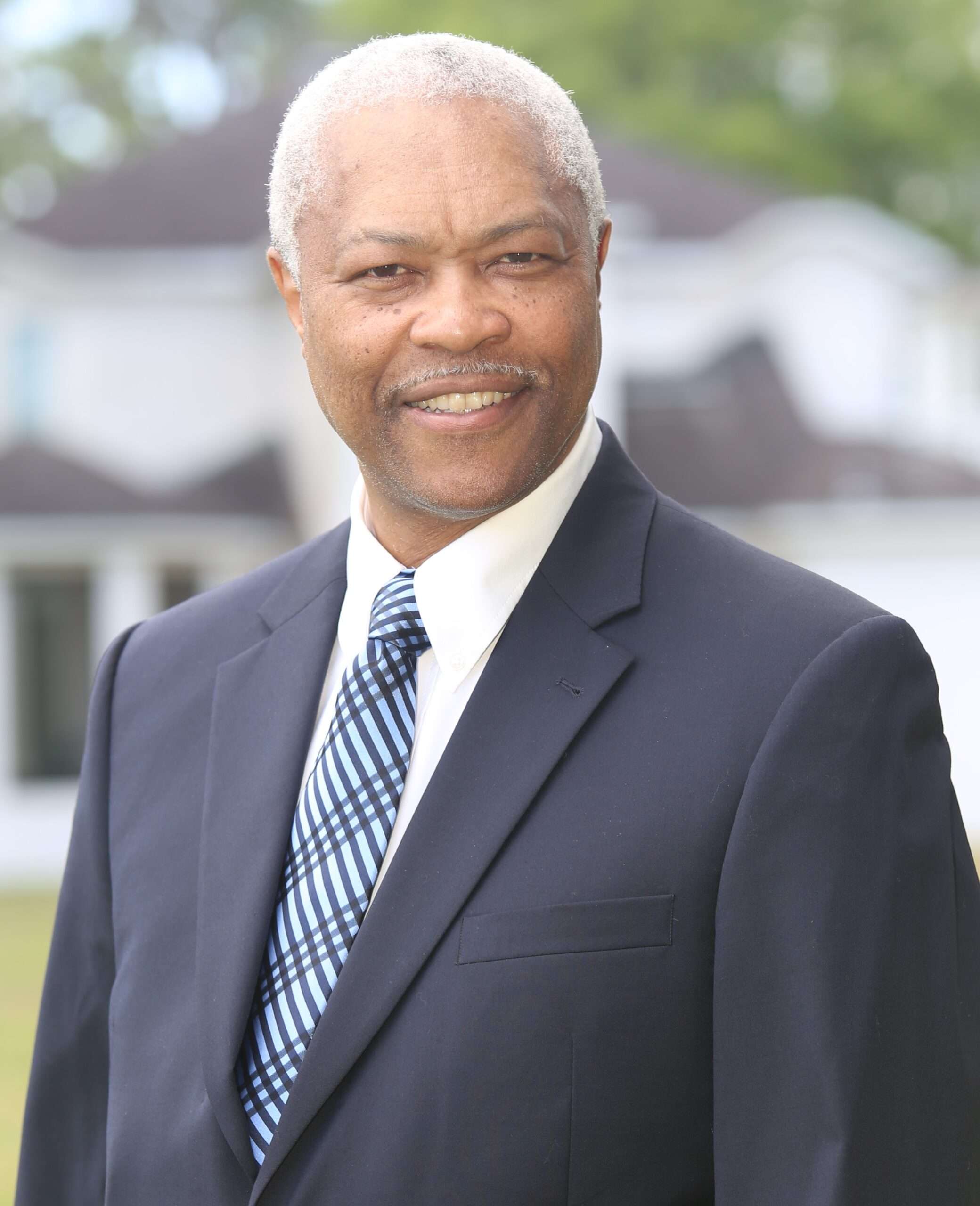
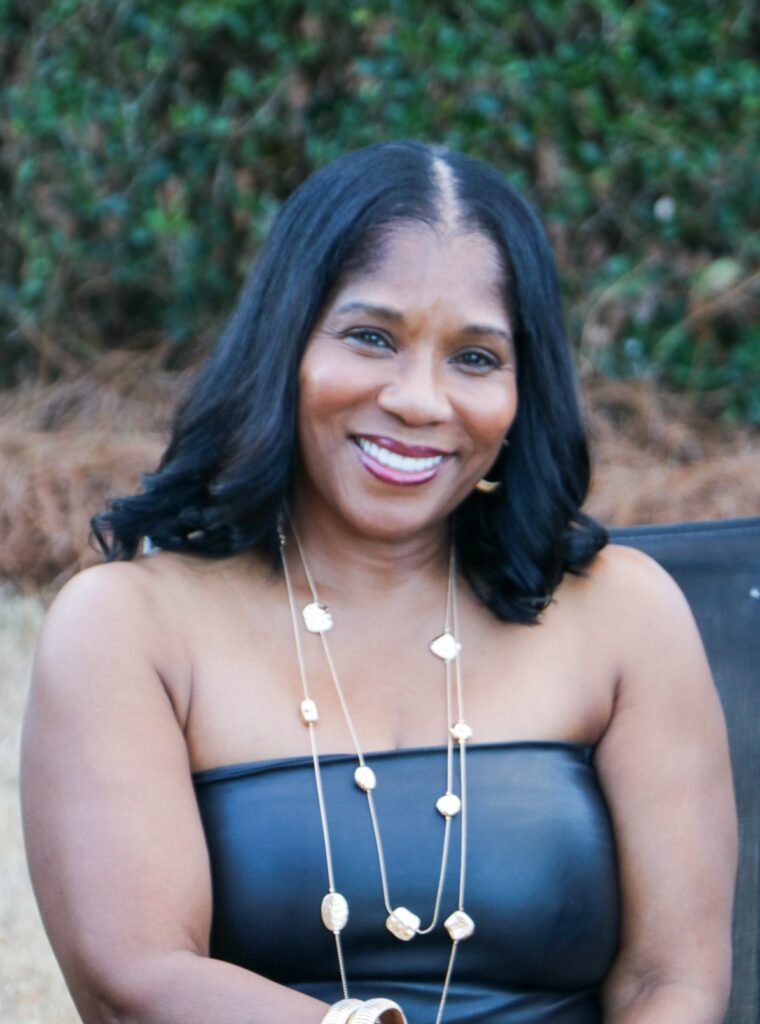
Dr. Florita Bell Griffin has joined us as a Contributing Writer and Systems Analyst. Dr. Griffin will lead our coverage in the AI, Science, and Technology sectors. Her expertise allows us to move beyond the headlines, providing our readers with deep-dive analysis on how emerging technologies and infrastructure projects impact our local economy and daily lives..
Ted Knorr, our resident historian, continues to bridge the gap between our past and present through his twice-monthly column, “Shadow Ball: Learning More About Negro League History.” Many of you have already engaged with Ted by submitting questions and sharing family stories, making “Shadow Ball” a true cornerstone of our community dialogue.
The Road Ahead
We are no longer just a news site; we are a growing civic institution. Whether we are investigating DeKalb data centers or documenting the rich history of the South, our goal remains the same: to give you the information you need to understand your community and shape your future.
Thank you for being the most important part of this journey. We are just getting started.
Sen. Raphael Warnock secures $192 million in delayed Hurricane Helene relief, pushing total recovered Georgia disaster funds past $500 million amid reimbursement disputes.
By Milton Kirby | Washington, D.C. | January 28, 2026
U.S. Senator Reverend Raphael Warnock announced Tuesday that he has secured an additional $192 million in federal disaster relief funding owed to Georgia communities recovering from Hurricane Helene, marking the latest installment in a months-long effort to force the release of delayed reimbursements.
The funds were released by the Federal Emergency Management Agency (FEMA) after sustained pressure from Warnock’s office, as counties across Georgia particularly in rural areas faced mounting financial strain and the prospect of lawsuits from contractors seeking payment for completed recovery work.
The announcement follows a December 2025 release of $300 million in outstanding Helene payments that Warnock also helped unlock, bringing the total recovered funds to more than $500 million in recent months.
“I am thrilled to announce I have secured an additional $192 million in federal funding owed to Georgia communities recovering from Hurricane Helene,” Warnock said. “Hurricanes and natural disasters are not political; they do not care if you voted red or blue. Georgia counties and cities went right to work recovering from Helene’s destruction with the understanding the federal government would fulfill its promises.”
Warnock emphasized that the fight is not over. In September 2025, he released a report finding that nearly $500 million in promised federal disaster funding remained unpaid. Follow-up reviews later increased that figure toas much as $600 million, raising alarms about the financial exposure of local governments forced to front recovery costs.
The funding stems from a 2024 disaster recovery bill championed by Warnock, designed to reimburse counties and state agencies for emergency work performed after Helene. Despite bipartisan congressional support, Warnock’s office says the delivery of funds was slowed by administrative breakdowns and bureaucratic delays within the Trump Administration.
Among the largest recipients in the latest reimbursement round is the Georgia Department of Transportation, which received $78.3 million. Counties receiving funding include Columbia County ($16.6 million), Emanuel County ($11.3 million), Jefferson County ($10.4 million), Burke County ($6.6 million), and Coffee County ($4.7 million), among others.
Warnock said he will continue pressing federal agencies until Georgia receives every dollar it was promised. “It should not have gotten to this point,” he said. “I will continue fighting until Georgia’s communities especially rural Georgia get every cent they are owed.”
Laughter spilled out of the room before the door ever opened. Plates clinked. Voices overlapped. Someone called out a name, and there were cheers. It was a December gathering, hosted just days after Christmas, and it looked like joy – easy, practiced, and familiar.
Tammy was the first to arrive, carrying a three-tier hors d’oeuvre tray. It was intentional. She had another family event to attend and wanted to be sure she was present and did not miss too much. On that particular day, Trakita, Candy’s cousin, was the last to arrive. No one would say that was her MO. They did agree that she is always vibrant and lively, to put it mildly
This December gathering was not a reunion. It was a ritual.
For ten years, ten women have shown up for one another, again and again, across birthdays, trips, losses, and life’s turning points. In a time when friendships often fade under the weight of schedules and responsibilities, their bond has only grown stronger.
Candy started it all with a call to some friends
How It Started
It began simply, with Candy. She invited a small circle of women Erica F. and Erica B. she met through real estate, and Tamela then there was Tammy. They shared work, shared ambition, and shared conversations that stretched beyond business.
An invitation to Tracey led to another. Erica F. invited her mother, Angie. Steady and wise, Angie naturally became the group’s matriarch.
Kim joined through an invitation that felt almost inevitable. LaToya, “the go-to-girl, for all things finance,” rounded out the circle. Melody (Jaz), the youngest, was welcomed with a unanimous nod.
What could have become a loose association became something deliberate instead. They decided early on that everyone mattered, and no one would be left out.
The Rituals That Hold Them Together
Birthdays are sacred. Every woman, every birthday, is celebrated. No exceptions.
Then came the trips vacations. Miami stands out as a recent highlight. Sun, shared rooms, tight schedules, and plenty of laughter were the order of the week.
Traveling together revealed quirks and differences that everyday gatherings never expose. Some moments tested patience. Others deepened trust. A few friendships shifted. Some grew even closer.
Holidays became another anchor. Christmas gatherings. New Year’s plans. Rotating hosts. Group chats that never quite go silent. Showing up became the discipline that kept the circle intact.
Then there is Sunday Funday, hosted by Erica F. It is a bonding experience where laughter comes easily, and sometimes a football game breaks out.
The Glue
Ask what keeps them together, and the answer comes back quickly and without hesitation: “I know these ladies have my back.”
Trust is the foundation. They bring work problems to the group and leave with clarity. They talk through issues at home. They argue, but they do not abandon one another.
Candy recalls the moment she truly understood the depth of the bond when she lost her mother subsequently lost a sister, and brother.
The group did not just send messages, came. They brought food. They filled empty chairs. They offered shoulders to lean on and, when words were unnecessary, they sat in silence.
“That’s when the love really came out,” she said. “In ways I never imagined.”
A Chosen Family
The women represent every season of life: married, single, widowed, cohabitating, and searching. Every category is covered. What unites them is not circumstance, but intention.
Each of these ladies is self-made. Each brings something different to the table. And together, they form what many of them now call family.
Their confidence has grown because they belong to something steady. Their resilience is stronger because they do not face life alone.
L to R LaToya, Candy, Tammy, Erica B, Tamela, Kim, Angie, Jaz, Erica F
Why It Matters
Their story speaks to something larger than ten women in one room. In an age of isolation, their circle is a reminder of the human need for community.
Trakita lively & vibrant was last to arrive at the December gathering
Women’s circles, formal and informal, have existed across cultures and generations, offering support, wisdom, and survival.
Their lesson is simple but powerful: friendships do not last by accident. They last because people choose them.
Looking Ahead
As the December gathering wound down, the ladies pulled their coats on, and hugs lingered a little longer than necessary. Talk turned to what comes next: another birthday, another trip, another holiday together.
“This is for life,” one woman said quietly.
Ten years in, the sisters by choice aren’t just surviving. They are thriving and already building the next chapter.
Thank you for reading The Truth Seekers Journal. Subscribe, share, and support independent community journalism.
MARTA will run reduced rail, lifeline bus, and Mobility service Sunday, Jan. 25, due to forecasted winter weather. Most bus routes will be suspended.
By Milton Kirby | Atlanta, GA | January 24, 2026
The Metropolitan Atlanta Rapid Transit Authority (MARTA) will operate on a reduced schedule Sunday, January 25, as severe winter weather is forecast across metro Atlanta.
Under the agency’s inclement weather service plan, rail service, select lifeline bus routes, and MARTA Mobility paratransit service will continue running, while most regular bus routes will be suspended. Officials cautioned that service could be further reduced or halted if road and weather conditions deteriorate.
“MARTA will continue to share real-time service updates across all customer-facing platforms as conditions evolve,” the agency said in a statement.
Rail service
Rail service will begin at 6 a.m., with trains arriving every 20 minutes. Out-of-service trains will operate continuously to prevent track icing.
North/South lines
Red Line: North Springs to Lindbergh Center
Gold Line: Doraville to Airport
East/West lines
Green Line: Bankhead to Vine City
Blue Line: Indian Creek to H.E. Holmes
Streetcar service will begin at 8:21 a.m. on a regular Sunday schedule, operating with shuttle vans.
Lifeline bus routes only
Only designated lifeline bus routes will operate beginning in the 5 a.m. hour. These routes provide direct access to major medical facilities and emergency rooms. All other bus routes will be suspended.
Operating routes and frequencies include:
Route 6 – Clifton Road/Emory (45 minutes)
Route 8 – North Druid Hills (30 minutes)
Route 19 – Clairmont/W. Howard Avenue (40 minutes)
Route 40 – Peachtree Street/Downtown (45 minutes)
Route 107 – Glenwood (30 minutes)
Route 110 – Peachtree Road/Buckhead (20 minutes)
Route 111 – Snapfinger Woods (40 minutes)
Route 123 – Church Street (60 minutes)
Route 185 – Alpharetta (40 minutes)
Route 196 – Upper Riverdale (30 minutes)
MARTA Mobility service
MARTA Mobility will operate within three-quarters of a mile of rail stations and the active lifeline bus routes, as road conditions allow.
Pre-booked medically necessary trips will be honored when safe
All subscription trips are canceled
Only next-day reservations will be accepted
Reservations Call Center opens at 9:30 a.m.
Customer services and information
Reduced Fare and Lost & Found offices will be closed Sunday.
The Customer Information Call Center will operate from 8 a.m. to 7 p.m. for routing and scheduling questions at 404-848-5000.
Riders are encouraged to monitor itsmarta.com, the MARTA On the Go app, and @MARTAservice and @MARTAtransit on social media for real-time updates.
MARTA launches a King Holiday commemorative bus wrap honoring Dr. Martin Luther King Jr. and Coretta Scott King, running Route 3 along MLK Drive.
By Milton Kirby | Atlanta, GA | January 19, 2026
The Metropolitan Atlanta Rapid Transit Authority (MARTA), in partnership with The King Center, marked the 2026 Martin Luther King Jr. Holiday with the launch of a commemorative bus wrap honoring Dr. Martin Luther King Jr. and Coretta Scott King. This year’s observance carries the theme: “Mission Possible II: Building Community, Uniting a Nation the Nonviolent Way.”
Public transit has long been intertwined with the Civil Rights Movement. Dr. King described urban public transportation as “a genuine civil rights issue,” recognizing its role in connecting people to education, jobs, healthcare, and community life. MARTA leaders tied that history to the agency’s present-day mission and the daily realities of riders across metro Atlanta.
“MARTA is proud to honor Dr. Martin Luther King Jr. and Coretta Scott King,” said Jonathan Hunt, Interim General Manager and CEO of MARTA. “Public transit is more than a way to get from place to place. It is a connector of communities, an enabler of opportunity, and a platform for building unity. This commemorative bus represents transit’s power to shape a better future and make communities more equitable and inclusive.”
The Dr. King and Coretta Scott King commemorative bus will operate on Route 3, traveling along MLK Drive from the King Center through Sweet Auburn and the Atlanta University Center to H.E. Holmes Station. MARTA said the route highlights neighborhoods central to Dr. King’s legacy while underscoring the agency’s ongoing goal of connecting communities.
In addition, MARTA displayed its restored historical 1955 bus across from Dr. King’s Birth Home on Monday. The agency said the exhibit serves as a reminder of Rosa Parks’ courageous stand that ignited the Montgomery Bus Boycott—an event that helped propel the modern Civil Rights Movement and cemented the bus as a national symbol of protest and dignity.
MARTA said its partnership with The King Center spans more than a decade, reflecting a shared commitment to honoring Dr. King’s legacy through community engagement and public service.
Retired Brigadier General and farmer Shawn Harris enters Georgia’s 14th Congressional District race, positioning himself as a pragmatic alternative after Marjorie Taylor Greene’s resignation.
By Milton Kirby | Rockmart, GA | January 17, 2026
Confident, but not cocky. Bold, but not brash. That is how Shawn Harris comes across on a cold January afternoon in Rockmart in northwest Georgia. We caught up with Harris working on his cattle farm, adjusting an underground freshwater delivery system designed to keep his herd fed through winter freezes.
Harris is a Democratic candidate in Georgia’s 14th Congressional District, a sprawling region covering 10 counties across the northwest corner of the state. The district stretches from rural farmland to small manufacturing towns, a footprint shaped more like a winding patchwork than a clean rectangle. Until recently, it was represented by one of the most polarizing figures in modern American politics.
Former Rep. Marjorie Taylor Greene resigned from Congress effective January 5, 2026. In a video announcement released weeks earlier, Greene cited public clashes with Donald Trump and frustration with the political system. That resignation date was not accidental. Public records indicate it marked the minimum service threshold roughly five years required to qualify for an estimated annual congressional pension of about $8,700.
With Greene’s exit, the 14th District enters a rare moment of political reset.
From Farm to Battlefield and Back Again
Harris is no stranger to difficult terrain.
After graduating high school, he enlisted in the United States Marine Corps. Over a four-decade military career, he rose from private to Brigadier General an achievement so rare it places him among a tiny fraction of service members nationwide.
Photo by Milton Kirby Harris’ beef cattle grazing
To put that rise into perspective: while the U.S. Army has roughly 450,000 active-duty soldiers, only about 130 to 150 serve as Brigadier Generals at any given time. Fewer than 5 percent of Colonels are ever selected for promotion to the first general officer rank. The climb typically requires more than 25 years of service, advanced degrees, senior service college graduation, and survival through the military’s unforgiving “up or out” promotion system.
Harris served as a combat infantry commander in Afghanistan before retiring as a General. When his military service ended, he and his wife, Karla, returned home to Georgia and back to the land.
A Special Election, a Crowded Field
Following Greene’s resignation, Gov. Brian Kemp set a special election for March 10, 2026, in accordance with Georgia law. The timeline allows for ballot access, overseas military voting, and compliance with federal election requirements.
Beef stock just days from delivery
Because the contest is a special election, all candidates regardless of party will appear on a single “jungle” ballot. A runoff is expected if no candidate clears 50 percent. In total, 22 candidates qualified, including 17 Republicans.
Harris enters the race with recent electoral history. In the November 2024 general election, running head-to-head against Greene, Harris received 134,759 votes, 35.6 percent of the total, while Greene garnered 64.4 percent. For a first-time candidate in one of Georgia’s most Republican districts, the showing surprised many observers.
Harris believes that result revealed a growing coalition. “There is a pathway to victory,” he said. “It requires one victory every day, one voter, one volunteer, one yard sign at a time.”
Why He’s Running
Harris describes his candidacy as rooted in lived experience rather than political theater.
He grew up on a Georgia farm. He enlisted to serve his country. He and Karla have been married for 36 years, raised five children, and now have four grandchildren. While Harris served overseas, Karla became a family physician. When his military career ended, they returned to Georgia not Washington.
Harris says the resignation of Greene has changed the conversation in Northwest Georgia.
“For years, we watched national drama take priority over local needs,” he said. “Now we have a once-in-a-generation chance to bring real leadership back to this district.”
Policy Grounded in Place
Harris’ platform emphasizes practical issues affecting rural and working families.
On agriculture, he supports a fully funded Farm Bill that prioritizes small and medium-sized farms, protects SNAP benefits, modernizes water infrastructure, and expands access to advanced agricultural technology beyond corporate producers.
On healthcare, he opposes proposed cuts to Medicare and Medicaid, calls for expanded rural specialist access, increased mental health and addiction services, and protection of reproductive healthcare from political interference. He also supports removing marijuana from federal drug schedules to expand medical access for veterans and chronic pain patients.
On the economy, Harris backs expanded prescription drug price negotiations, rural broadband investment, infrastructure funding, labor protections, and efforts to bring stable, high-paying jobs back to Northwest Georgia.
On national security, he calls for modernized immigration processing, tougher action on fentanyl trafficking, expanded port screening, and domestic investment in supply chains and cybersecurity.
As a veteran, Harris opposes privatization of VA healthcare and supports expanded trauma care, suicide prevention, and job training programs that translate military skills into civilian opportunity.
Still a Farmer
Despite four decades in uniform, Harris remains unmistakably a farmer.
Farmers For Shawn Harris a yard sign in the neighborhood
One of his prized possessions is a young bull calf half Black Angus, half Wagyu. Wagyu cattle, a Japanese breed known for exceptional marbling, are prized worldwide. Harris smiled as he spoke about the animal.
“This is a valuable member of the herd,” he said. “He could be sold for beef or as a stud bull.”
For Harris, that choice mirrors the district he hopes to represent: rooted in tradition, full of potential, and deserving of careful stewardship.
Farm Credit Mid-America opens 2026 scholarship applications, offering up to $5,000 for students pursuing agriculture and rural community careers. Deadlines approach in January.
By Milton Kirby | Atlanta, GA | January 15, 2026
College-bound students with a passion for agriculture and rural communities have a new opportunity to invest in their futures. Farm Credit Mid-America has opened applications for its 2026 scholarship programs, continuing a decade-long commitment to developing the next generation of agricultural leaders.
Each year, Farm Credit Mid-America awards scholarships to students who demonstrate strong academics, leadership, and community involvement. Over the past ten years, the organization has invested more than $2 million to support students pursuing careers that strengthen agriculture and rural communities across its service region.
Two Scholarship Paths for Students
Farm Credit Mid-America offers two distinct scholarship programs tailored to different student pathways.
The Farm Credit Mid-America Scholars program provides $5,000 in financial assistance over two years to rising college students majoring in agriculture. Beyond financial support, scholars gain exposure to Farm Credit Mid-America through career exploration, leadership development, and professional networking opportunities. Applications for the 2026 school year will be accepted from January 7 through January 31, 2026.
The Customer Scholarship awards $1,500 in financial support to students pursuing agricultural or rural community-related careers. Applicants must be a child or grandchild of a Farm Credit Mid-America customer and may attend an accredited two- or four-year college, university, vocational, or trade school. Applications are open October 1, 2025 through January 15, 2026, with award notifications expected in April 2026.
Eligibility and Application Details
Scholarships are available to students majoring in agriculture or pursuing careers connected to agriculture and rural communities. The online application process takes approximately 10–30 minutes and must be completed in one sitting. Applicants to the Scholars program must upload a résumé and a letter of recommendation. Only online applications will be accepted.
Students may apply for multiple Farm Credit Mid-America scholarships but may receive only one per school year. All scholarship funds will be awarded by August 2026 for the fall semester. Team members and directors of Farm Credit Mid-America, as well as their children, are not eligible. For students committed to shaping the future of agriculture, the scholarships offer both financial support and a pathway to leadership in rural America.
DeKalb County commissioners elect Chakira Johnson as Presiding Officer and LaDena Bolton as Deputy while deferring a key data center zoning vote until July.
By Milton Kirby | Decatur, GA | January 14, 2026
DeKalb County entered 2026 with a shift in political leadership and a community still wrestling with one of the most consequential land‑use debates in its history. On Tuesday, the Board of Commissioners elected new officers while also voting to delay action on proposed data center zoning rules, a pause that reflects both rising public pressure and the county’s struggle to balance economic opportunity with environmental and neighborhood protections.
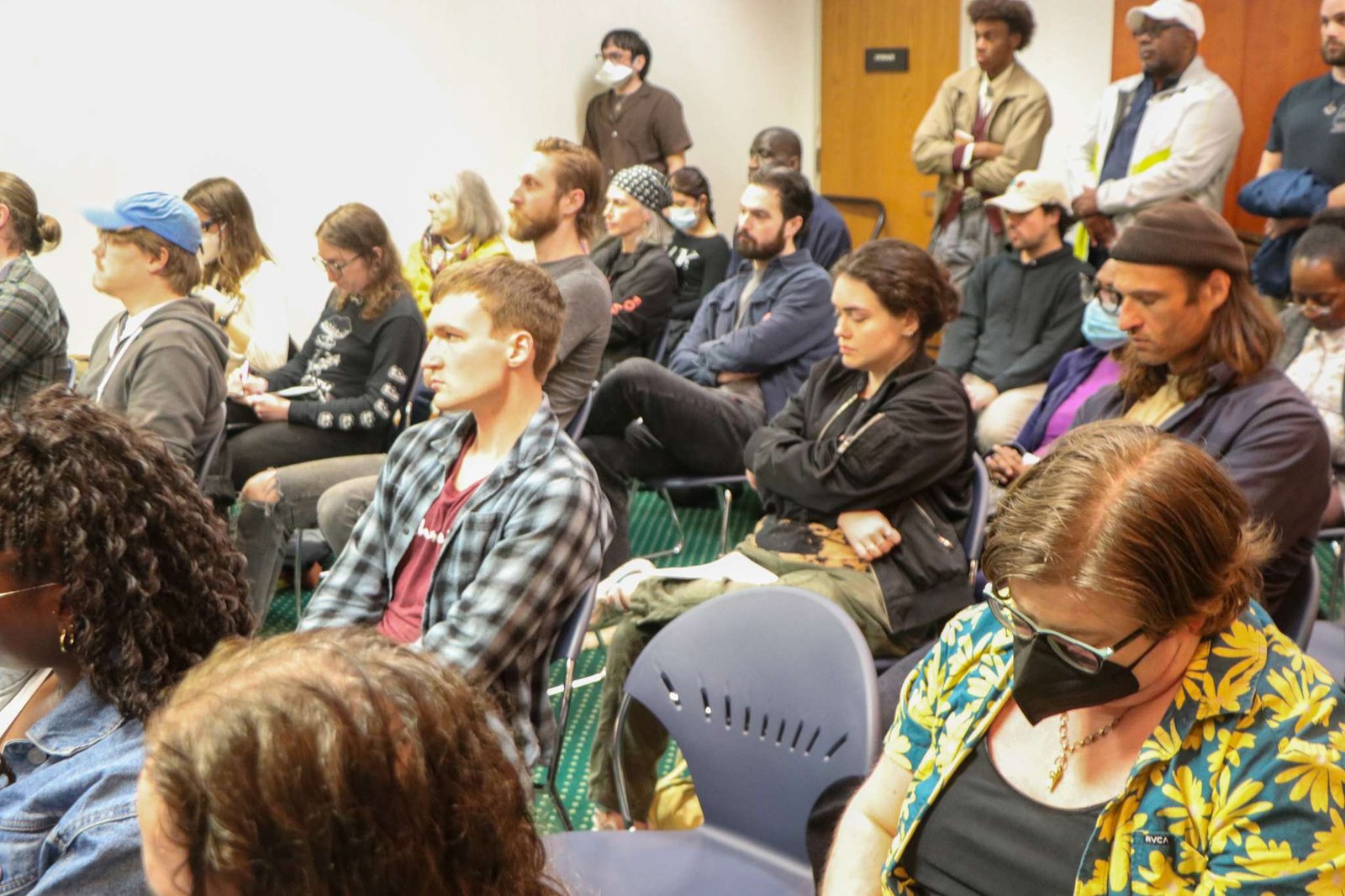
The meeting drew a packed room of residents from South and East DeKalb, many of whom have spent months demanding transparency, clearer communication, and stronger safeguards as data center proposals continue to surface across the county.
A New Leadership Team for a Critical Moment
Courtesy photo Chakira-Johnson-Presiding-Officer
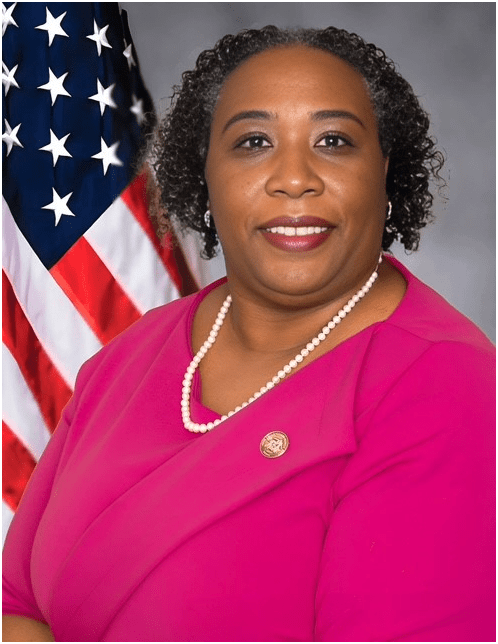
Commissioners unanimously selected Chakira Johnson (District 4) as Presiding Officer and elected LaDena “Dr. B” Bolton (Super District 7) as Deputy Presiding Officer, a pairing that blends deep engineering expertise with community‑rooted advocacy.
Chakira Johnson: Engineering Mindset Meets Procedural Power
Johnson brings more than two decades of experience in civil engineering, municipal operations, and public infrastructure management. A Georgia Tech graduate with a master’s degree in international relations from Troy University, she is a licensed professional engineer in three states and was named one of Engineering Georgia’s 50 Notable Women in 2022.
Her résumé is matched by her long-standing service in DeKalb: nearly 30 years as a resident and 16 years on the Stone Mountain City Council, including three terms as Mayor Pro Tem. She has been a consistent advocate for STEM education and youth engagement.
As Presiding Officer, Johnson will guide the Board’s procedural direction running meetings, appointing committee chairs, and shaping how and when major issues come to the floor. She emphasized a leadership style grounded in professionalism and public trust.
“I am committed to leading with efficiency, integrity, and respect,” Johnson said. “This Board serves the people of DeKalb County.”
LaDena Bolton: A Community Voice With Scientific Rigor
Bolton, known affectionately as “Dr. B,” enters the Deputy Presiding Officer role during her first year on the commission. A graduate of Avondale High School, she credits her December 2024 election to long-standing community relationships and grassroots service.
Her professional background includes a Ph.D. in chemistry from Clark Atlanta University, a bachelor’s degree from Savannah State University, and a career as an analytical forensic chemist working in national security, energy sustainability, and health equity.
Bolton’s early initiatives reflect her community-first approach:
March Into a Cleaner Tomorrow, a countywide cleanup effort that mobilized more than 1,000 volunteers and removed roughly five tons of litter in three months.
Youth Aviation Program, the county’s first, offering underserved students hands-on aviation training at DeKalb‑Peachtree Airport and mentorship toward earning pilot licenses.
Her office uses the bee pollinator as a symbol of collective work and community uplift.
“We’re building legacies from the inside out,” Bolton said. “Families, youth, neighborhoods that’s where the work begins.”
Why These Roles Matter Now
Under the DeKalb County Organizational Act, the Presiding Officer and Deputy Presiding Officer shape the Board’s internal structure and public-facing process. They control meeting flow, committee leadership, special session calls, and how major issues like data centers move through the system.
With public trust strained and residents demanding clearer communication, the leadership style of Johnson and Bolton will directly influence how the county navigates the months ahead.
Data Centers: A Debate That Has Become a Community Flashpoint
Beyond leadership elections, commissioners voted to delay action on data center zoning changes until July, when the planning commission is expected to present updated recommendations.
The pause comes after months of intense debate, particularly in South and East DeKalb communities that have historically borne the brunt of industrial encroachment, infrastructure strain, and uneven economic development.
Community Concerns
Residents have raised concerns about noise from cooling systems, water usage in a county already facing infrastructure challenges, environmental impact on nearby neighborhoods, proximity to homes and schools, and transparency in how proposals are evaluated.
Many residents say they are not opposed to economic development they simply want development that respects community health, land use, and long-term sustainability.
Economic Stakes
County officials, including CEO Lorraine Cochran‑Johnson, have noted that a single large-scale data center could generate an estimated $27 million annually in tax revenue, driven by the high value of servers and cooling equipment.
Supporters argue that revenue could support long‑delayed water system upgrades, reduce pressure on residential taxpayers, and strengthen the county’s long-term financial position.
They also describe data centers as essential digital infrastructure the unseen backbone of cloud computing, artificial intelligence, and modern communications.
Regulation vs. Restriction
Proposals under discussion include 500‑foot buffers from residential areas, strict noise limits, generator restrictions, environmental impact reviews, and community benefit funds. Commissioner Ted Terry has suggested dedicating a portion of data center tax revenue to libraries, youth programs, and neighborhood improvements.
Statewide Scrutiny: Georgia Reconsiders Its Data Center Boom
The local debate mirrors a broader conversation unfolding at the Georgia Capitol.
A report from the Carl Vinson Institute of Government found that data center projects have generated more than 28,000 construction jobs, over 5,000 permanent positions, and billions in economic impact statewide.
Metro Atlanta led the nation in data center expansion last year, surpassing Northern Virginia, according to CBRE.
But the growth comes with a cost: state utility regulators have approved plans to add roughly 10,000 megawatts of new power generation capacity, much of it to meet data center demand.
State Rep. Ruwa Roman has introduced bipartisan legislation proposing a moratorium on new data center construction through 2027.
“This is permanent,” Roman said during recent hearings. “And if we get it wrong, Georgians will deal with the consequences for decades.”
Looking Ahead: Leadership, Trust, and the Path Forward
As DeKalb County moves deeper into 2026, the election of Johnson and Bolton signals a leadership team that blends technical expertise with community‑centered advocacy. Their challenge will be guiding a divided public conversation while ensuring transparency, fairness, and long-term planning.
The July deadline for data center zoning recommendations sets the stage for a pivotal summer one that will test the Board’s ability to balance economic growth with environmental stewardship, neighborhood protection, and community trust.
For residents, the question remains: what kind of development will shape DeKalb’s future and who gets to decide?
For Johnson and Bolton, the months ahead will define not only their leadership but the county’s direction for years to come.
Residents packed a Renew DeKalb town hall to oppose data centers in South and East DeKalb, citing health risks, water strain, and zoning rules they say favor developers.
By Milton Kirby | Decatur, GA | January 11, 2026
A packed community meeting at the DeKalb Covington Highway Public Library on Saturday underscored a growing resistance to large-scale data center development in DeKalb County particularly in South and East DeKalb, where residents say environmental and infrastructure burdens are already too heavy.
The town hall, organized by Renew DeKalb and led by community organizer Gina Mangham, drew residents concerned that existing zoning rules are too broad and could allow massive, industrial-style data campuses to be built dangerously close to homes, schools, and churches.
Opponents warned that while data centers are often framed as clean, quiet engines of economic growth, the lived reality can be far different for nearby neighborhoods.
“The impact to the community that people are not looking at is the real health impact to nearby residents,” Mangham told the audience, pointing to concerns over air quality, noise, light pollution, and long-term infrastructure strain.
From Homes to Servers
According to Mangham, at least one proposed data center site in DeKalb was previously slated for a residential development of roughly 305 homes. That plan was later replaced with a data center proposal a shift residents say prioritizes developer profits over community stability.
Residents repeatedly emphasized that South and East DeKalb have historically borne the brunt of landfills, industrial zoning, and environmental hazards. Many fear data centers represent the next wave of uneven development.
“This is not happening in a vacuum,” one speaker said. “Our communities are already carrying more than their fair share.”
Water, Sewer, and a Federal Consent Decree
A central theme of the meeting was water and sewer capacity — a sensitive issue in DeKalb County.
In December 2011, DeKalb entered into a federal consent decree with the Environmental Protection Agency and the Georgia Environmental Protection Division to address chronic sanitary sewer overflows. The agreement required billions in upgrades and repairs over an initial 8.5-year period, later extended due to ongoing compliance challenges.
Residents questioned how the county could responsibly approve water-intensive data centers while still working to meet those long-standing obligations.
Large data centers can consume millions of gallons of water per day, primarily for cooling systems. Speakers also raised concerns about glycol-based coolants, which are recyclable but hazardous if improperly handled.
Unanswered questions remain: How will contaminated cooling water be disposed of? Who pays for cleanup if a data campus is decommissioned decades from now?
Noise, Air, and the Grid
Beyond water, residents cited noise pollution from constant cooling fans, light pollution from 24-hour operations, and air emissions from diesel backup generators.
Studies and community reports from other states show that generator testing can release nitrogen oxides and fine particulate matter linked to asthma and cardiovascular disease. Some residents described the sound near data centers as a constant hum approaching the level of heavy lawn equipment.
Energy use is another concern. Data centers place extraordinary demands on local power grids, which can drive up residential utility bills as infrastructure upgrades are passed on to consumers.
Federal Push, Local Pushback
The meeting took place against a backdrop of aggressive federal efforts to accelerate data center construction nationwide.
In July 2025, Executive Order 14318 — “Accelerating Federal Permitting of Data Center Infrastructure” — directed federal agencies to streamline approvals, limit environmental reviews, and offer financial incentives to qualifying data center projects. The order also encourages the use of federal lands, including Brownfield and Superfund sites, for development.
Then, on December 11, 2025, President Donald Trump signed a separate executive order aimed at blocking state and local governments from restricting artificial intelligence development, arguing that fragmented regulation could weaken U.S. competitiveness.
Community leaders warn these federal moves could weaken local oversight just as neighborhoods are trying to assert their voices.
DeKalb Hits Pause
In response to mounting pressure, the DeKalb County Board of Commissioners voted in December to extend a moratorium on new data center applications until June 23, 2026.
The pause temporarily blocks approval of new permits while commissioners work on comprehensive regulations addressing buffer zones, noise, screening, water use, and energy impacts.
· Terry has publicly argued that the moratorium is about responsible, data-driven planning, not stopping economic development outright.
· He has warned about unchecked expansion, rising residential power bills, and the lack of guardrails in current zoning.
· He has framed the pause as time to “get it right,” listen to residents, and build protections.
“This is about making decisions based on data and residents’ lived experiences,” Terry said during prior board discussions, warning that unchecked expansion could raise residential power bills by as much as $20 per month.
Other commissioners echoed concerns about data centers being allowed near schools and residential areas under current zoning rules.
What’s Already Here — and What’s Proposed
DeKalb currently has two operating data centers: a 3,350-square-foot facility run by DC Blox Atlanta and an 88,000-square-foot facility owned by Lincoln Rackhouse.
More significantly, county records show an application from PCC-DeKalb for a 1 million-square-foot data center campus on roughly 95 acres along Loveless Place in Ellenwood. That proposal includes three two-story buildings and an outdoor electric substation, with a vote expected in early 2026.
Two additional sites Bouldercrest Road and International Park Drive previously received zoning certification letters indicating data centers could be allowed, though neither project has moved forward.
Lessons From Virginia
Renew DeKalb organizers also pointed to Northern Virginia, the nation’s largest data center hub, as both a cautionary tale and a roadmap.
Loudoun County now requires special exceptions for all data centers. Fairfax County has imposed strict setbacks, enclosure requirements, and transit buffers. Even in Prince William County where data centers generate tens of millions in tax revenue fierce community opposition has derailed projects.
Virginia’s generous tax exemptions for data centers, which cost the state an estimated $750 million in lost sales tax revenue in 2023, have also drawn legislative scrutiny.
A New Proposal: Sharing the Benefits
In early January, Commissioner Terry introduced a resolution proposing a “DeKalb For the People AI Tech Dividend Fund,” which would dedicate 50 percent of data center tax revenue to community investments and fiscal stability.
The plan includes funding for libraries, seniors, youth programs, environmental buffers, green infrastructure, and workforce retraining particularly for neighborhoods within three miles of a data center site.
Public hearings on zoning amendments are scheduled later this month, with final votes expected in 2026.
A Community on Record
As Saturday’s town hall made clear, many DeKalb residents are no longer willing to be silent.
Speakers repeatedly said they are not opposed to technology or economic development — but they reject what they see as sacrifice zones for an industry that consumes enormous resources while providing relatively few local jobs.
Social Security and Medicare changes in 2026 include higher COLA payments, rising premiums, new senior tax breaks, negotiated drug prices, and potential Medicare coverage for weight-loss drugs.
By Milton Kirby | Atlanta, GA | January 10, 2026
Americans who rely on Social Security and Medicare entered 2026 facing a series of significant changes that will shape monthly incomes, health care costs, taxes, and access to prescription drugs. From a higher cost-of-living adjustment to the long-awaited launch of negotiated Medicare drug prices, the updates reflect both inflation pressures and years of policy debate.
Here is a breakdown of the most important changes now in effect.
Higher Social Security Payments, Modest but Meaningful
Social Security recipients received a 2.8 percent cost-of-living adjustment (COLA) on January 1, reflecting rising inflation late last year. That increase is slightly higher than the 2.5 percent COLA granted in 2025.
According to the Social Security Administration, the average monthly retirement benefit rises by about $56, from roughly $2,015 to about $2,071. While not dramatic, the increase offers some protection against rising food, housing, and medical costs.
Medicare Premiums and Deductibles Rise Sharply
Medicare enrollees are seeing steeper increases.
Medicare Part B premiums climbed nearly 10 percent, rising to $202.90 per month, up from $185 in 2025.
The Part B deductible increased to $283, up from $257.
The Part A inpatient deductible is now $1,736, compared with $1,676 last year.
These increases mean many seniors will see a noticeable portion of their COLA absorbed by health care costs.
Higher Payroll Taxes for Top Earners
Workers continue to pay 12.4 percent of earnings toward Social Security—split evenly between employees and employers, or fully paid by the self-employed. In 2026, however, the maximum amount of earnings subject to that tax increased to $184,500, up from $176,100 in 2025.
The change affects higher-income workers most directly, modestly strengthening Social Security’s funding base.
New Tax Break for Older Americans
A new federal tax deduction aimed at older adults also took effect this year. Eligible taxpayers 65 and older can now reduce taxable income by up to $6,000, or $12,000 for married couples.
The deduction phases out for individuals earning more than $175,000 and couples earning more than $250,000. The provision was backed by AARP and included in the One Big Beautiful Bill Act passed last summer.
Earnings Test Adjustments for Working Beneficiaries
Seniors resources are being squeezed by the cost of living, medicine, food in some instances, taxes
For Social Security beneficiaries who have not yet reached full retirement age—now between 66 and 67—the earnings test threshold also increased.
In 2026, beneficiaries who will not reach full retirement age during the year will have $1 withheld for every $2 earned above $24,480, up from $23,400 in 2025. Once full retirement age is reached, the earnings test no longer applies.
Higher Threshold to Earn Social Security Credits
Workers still need 40 Social Security credits to qualify for retirement benefits, earning up to four credits per year. In 2026, the income needed to earn one credit increased.
You now earn one credit for every quarter in which you make at least $1,890 in taxable earnings, about $80 more per quarter than last year.
Weight-Loss Drugs Poised for Medicare Breakthrough
Beyond core benefits, one of the most closely watched developments involves GLP-1 weight-loss medications.
Roughly 32 million American adults have used GLP-1 drugs, including about one-fifth of women ages 50 to 64, according to a recent report by RAND Corporation. Monthly prescriptions often exceed $1,000, placing them out of reach for many seniors.
A deal announced last fall between the Trump administration and manufacturers Eli Lilly and Novo Nordisk promises sharply lower prices through a new direct-to-consumer platform called TrumpRx, expected to launch in early 2026.
President Biden signed the Inflation Reduction Act of 2022 lowering the cost of 10 widely prescribed medications
Officials say prices could fall to about $350 per month through TrumpRx. If the oral GLP-1 drug orforglipron receives approval from the U.S. Food and Drug Administration, it would be priced similarly. An initial pill version of Wegovy could cost as little as $150 per month, pending approval.
Under Medicare, officials estimate GLP-1 prices could average $245 per month, with typical copays around $50, a dramatic reduction if fully implemented.
Medicare Drug Price Negotiations Finally Begin
Another landmark change arrived quietly on January 1: the first 10 Medicare Part D drugs with negotiated prices officially became available.
After Congress passed a law in 2022 requiring negotiations between drugmakers and the federal government, the Centers for Medicare & Medicaid Services finalized prices that slash costs for some of the most widely used medications.
Savings are substantial. For a 30-day supply:
Januvia $527 $113 79% reduction
Eliquis $521 $231 56% reduction
Jardiance $573 $197 66% reduction
Enbrel $7,106 $2,355 67% reduction
Jardiance $197 $573 66% reduction
Stelara $4,695 $13,836 66% reduction
Xarelto$197 $517 62% reduction
Eliquis $231 $521 56% reduction
Entresto $295 $628 53% reduction
Imbruvica $9,319 $14,934 38% reduction
Advocates say the move represents the most significant shift in Medicare drug pricing since the program’s creation.
A Year of Tradeoffs
Taken together, the 2026 changes deliver both relief and new pressures for older Americans. Monthly Social Security checks are larger, tax breaks are broader, and drug prices are finally falling—but Medicare premiums and deductibles continue to climb. For seniors living on fixed incomes, 2026 may be remembered less as a year of sweeping reform than one of careful tradeoffs, where every increase comes with a corresponding cost.
Thank you for reading. If this reporting matters to you, consider subscribing to The Truth Seekers Journal and supporting independent, community-focused journalism.
Atlanta Mayor Andre Dickens begins his second term pledging to defeat poverty and inequality, citing falling crime, housing investment, and a renewed push for neighborhood reinvestment.
By Milton Kirby | Atlanta, GA | January 6, 2026
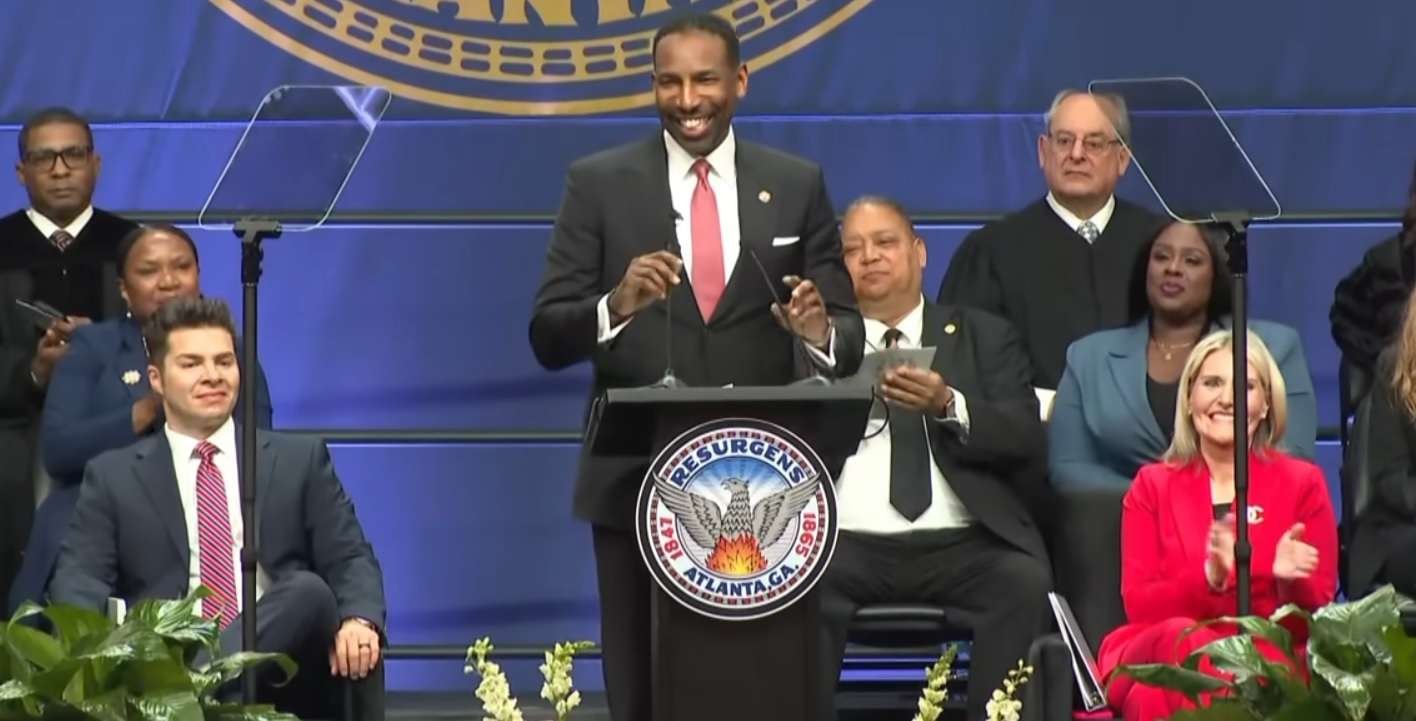
Atlanta entered a new chapter Monday as Andre Dickens was sworn in for a second four-year term, pledging to confront poverty, inequality, and public safety with renewed urgency — and with proof, he said, that the city’s approach is working.
Before thousands packed into Georgia State University’s Convocation Center, Dickens framed his next term as the completion phase of what he repeatedly called Atlanta’s “group project,” a citywide effort to invest in people, neighborhoods, and opportunity without leaving communities behind.
“Atlanta, we are done managing poverty,” Dickens declared. “We are done tolerating inequality. And we are done accepting violence as destiny.”
A second term shaped by results
Dickens, a lifelong Atlantan who grew up in the Adamsville neighborhood, returns to office after winning more than 85 percent of the vote in November. His second inauguration followed an unprecedented three-day Inauguration Weekend that included 61 community service projects across the city — a nod to his role as Atlanta’s 61st mayor and a signal that service, not ceremony, would define the moment.
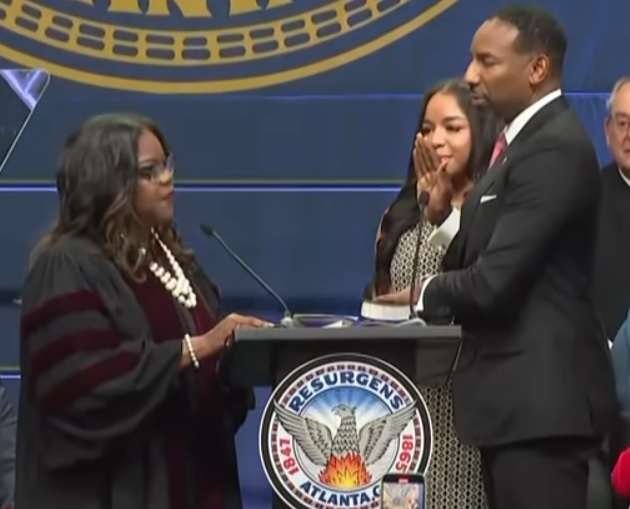
The Honorable Asha Jackson administers oath of office to Mayor Andre Dickens
During his first term, Dickens said the city invested in people and neighborhoods at a historic scale. Atlanta opened 500 rapid re-housing units and started or completed more than 13,000 units of affordable housing. Youth investments topped $40 million, and more than 19,000 young people were hired at a living wage through city-supported programs.
Those investments, Dickens argued, produced measurable outcomes. Violent crime dropped sharply, with Atlanta finishing 2025 with fewer than 100 homicides for the first time in years. Youth-related crime fell by 56 percent, while Atlanta Public Schools posted its highest graduation rate on record.
The city also earned its first-ever AAA bond rating, raised the minimum wage for city employees to $17.50 an hour, expanded the BeltLine and park access, reduced food deserts, and launched the city’s first municipal grocery store.
“Across every measure,” Dickens said, “the Phoenix of Atlanta continues to rise.”
The unfinished work
Still, Dickens made clear that progress alone is not enough.
“How can we be satisfied when too many of our neighbors still sleep on our streets?” he asked. “How can we be satisfied when too many families live check to check — with more month than money?”
At the center of his second term is the Neighborhood Reinvestment Initiative, aimed at ensuring every Atlanta neighborhood is safe, connected, healthy, and whole. Dickens described poverty and inequality as Atlanta’s modern-day “Goliath” — a persistent enemy that demands a direct confrontation, not incremental management.
He outlined five priorities — “five smooth stones,” as he called them — that will guide the administration: affordable housing, neighborhood investment, youth opportunity, public safety, and ethical, fiscally responsible government.
“Where we’ve thrown those stones,” Dickens said, “the results have been undeniable.”
A citywide audience
The inauguration drew a broad cross-section of Atlanta’s political and civic leadership, including U.S. Sen. Raphael Warnock, U.S. Reps. Lucy McBath and Nikema Williams, U.N. Ambassador Andrew Young, and former mayors Kasim Reed and Shirley Franklin.
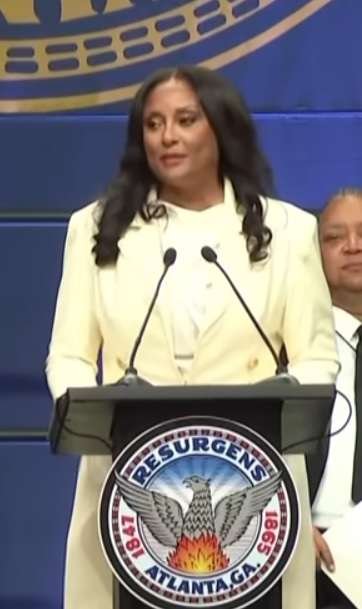
City Council President Marci Collier Overstreet speaks
All members of the Atlanta City Council were sworn in alongside Dickens, including incoming Council President Marci Collier Overstreet, underscoring the administration’s emphasis on collaboration entering a politically active year ahead of the 2026 Georgia legislative session.
From Adamsville to City Hall
Dickens’ story remains central to his message. A graduate of Benjamin E. Mays High School, Georgia Tech, and Georgia State University, he often describes his leadership as forged in Atlanta’s neighborhoods long before City Hall.
“Leadership doesn’t begin in the palace,” he said, referencing his upbringing. “It begins in the field.”
That framing resonated throughout the address, which closed with a promise to move beyond what Dickens called a “tale of two cities” — one prosperous, one struggling — toward a future where opportunity is shared more evenly.
“This is not just a slogan,” he said. “It is our promise.”
Why it matters
As Atlanta continues to grow, Dickens’ second term will test whether the city can expand affordability, safety, and economic mobility without displacing the communities that built it. His administration enters 2026 with momentum, measurable results, and heightened expectations — and with a mayor signaling that the next four years will be about finishing the work already underway.
“Now,” Dickens told the crowd, “let’s get to work, Atlanta.”
Jayden Williams, 22, was sworn in as Stockbridge’s youngest mayor ever, signaling a new era of youth leadership, economic focus, and inclusive growth in Henry County.
By Milton Kirby | Stockbridge, GA | January 2, 2026
Before a standing-room-only crowd and an atmosphere that felt more like a celebration than a formal government ceremony, Jayden Williams was officially sworn in as mayor of Stockbridge, becoming the youngest person ever to hold the office in the city’s history.
Williams, just 22 years old, took the oath of office as cheers filled the room and walk-up music echoed through the chamber. Roughly 250 to 300 residents, family members, elected officials, and supporters packed the venue, many coming specifically to witness a moment that symbolized both generational change and a new chapter for the growing Henry County city.
The ceremony was energetic and deeply personal. Gospel recording artist Jarrett Boyce and saxophonist Richard Shaw, Jr. performed while laughter, dancing, and applause punctuated the proceedings. Williams entered to Young Jeezy’s “Put On,” a nod to Atlanta culture and a signal that this administration intends to bring a fresh tone to City Hall.
When the moment arrived, Williams placed his hand on his late great-grandfather’s Bible, held by his younger sister, as Honorable Judge Holly Veal administered the oath. His parents, siblings, grandparents, and great-grandmothers looked on from the audience, alongside longtime supporters who followed his rise from youth leadership to the city’s highest office.
Williams defeated a two-time incumbent in November, a victory he has said reflected a clear desire for change among Stockbridge voters. At the time of the election, he was still completing his studies in political science at Clark Atlanta University, balancing coursework with door-knocking and community forums.
“I really want to see us grow into something where every single resident feels accommodated,” Williams said following the election. “When I say that, I’m referring to new residents, young professionals, our working families, our teachers, and our seniors. How can we accommodate them to make them feel like they are home?”
A Personal and Historic Moment
During his remarks, Williams paid tribute to his late great-grandfather, recalling family stories about racial tensions that once made Henry County a place to pass through rather than stop.
“My great-grandfather used to warn my grandmother never to stop in Henry County or Stockbridge because of the racial tensions here,” Williams said. “And yet today, in a moment he could only have dreamed of, I was sworn in on his very Bible. If he could see me now, I know he’d be grinning ear to ear. This history matters.”
That theme of history and progress ran throughout the ceremony, as Stockbridge leaders emphasized how much the city has changed—and how much more change lies ahead.
New Council Members Take Office
Williams was sworn in alongside newly elected District 1 Councilwoman LaKeisha Gantt and District 2 Councilman Antwan Cloud, both of whom also took their oaths during the ceremony.
Photo by Milton Kirby – Jayden Williams & LaKeisha Gant after being sworn in
“It means our city is growing, our leadership is evolving, and we are embracing every generation as a part of Stockbridge’s future,” Gantt said.
While the evening celebrated all three officials, the crowd’s energy made clear that Williams’ milestone carried special significance for residents who see his election as a signal that Stockbridge is entering a new era.
A Resume Built on Youth Leadership
Long before launching his mayoral campaign, Williams built a reputation as a youth advocate and civic leader. He began community work at just 13 years old and went on to serve as Freshman Class President and Student Government Association Treasurer at Clark Atlanta University. He was twice appointed as a White House Scholar and became the youngest Planning Commissioner in Georgia, currently serving as chair of the Stockbridge Planning Commission.
Williams has also served as State Conference President of the Georgia NAACP Youth & College Division, Youth Mayor Emeritus for the City of Stockbridge Youth Council, and Chairman Emeritus of Youth Leaders of Henry. His work has earned him numerous honors, including ACCG Youth Leader of the Year, the AT&T Climber Award, and a national public speaking award.
An Agenda Focused on Opportunity
In his inaugural address, Williams laid out an ambitious but grounded agenda centered on economic development, youth opportunity, housing stability, and inclusive growth.
“A city cannot rise if its people are locked out of opportunity,” he told the crowd, emphasizing that economic innovation will be a front-and-center priority for his administration.
City of Stockbridge
Williams outlined plans to strengthen small businesses, expand workforce training, revitalize downtown Stockbridge, and align education pathways with real job opportunities in sectors such as healthcare and logistics. He also stressed the importance of youth programming, the arts, and mentorship as tools for long-term community stability.
Quoting Shirley Chisholm, Williams added his own twist to a familiar line.
“If you don’t have a seat at the table, bring a folding chair,” he said. “But Stockbridge did something different. We gathered the wood, we built the table, and now together, we’re going to make sure that table is strong enough and welcoming enough for everyone.”
Looking Ahead
Williams said his administration will prioritize affordable housing, public safety rooted in prevention and trust, and infrastructure that supports smart, responsible growth. He also pledged transparency and collaboration, acknowledging that challenges lie ahead.
“Leadership is not pretending everything is perfect,” he said. “Leadership is showing up anyway and doing the work.”
As the ceremony concluded, supporters lingered, taking photos and embracing family members, while the new mayor greeted residents one by one. For many in attendance, the night marked more than a swearing-in—it marked a generational shift and a statement about who belongs in Stockbridge’s future.
A new year, a new mayor, and, as Williams put it, a city that is “all in for Stockbridge.”
MARTA says 2026 will bring new CQ400 railcars, Better Breeze tap-to-pay, NextGen buses, Rapid A-Line BRT, and Five Points upgrades before World Cup crowds arrive
By Milton Kirby | Atlanta, GA | January 2, 2026
The Metropolitan Atlanta Rapid Transit Authority is beginning 2026 with a promise riders have been waiting to hear for years: long-planned improvements are finally reaching the system, and many now come with firm timelines.
In a New Year’s Day announcement, MARTA outlined a series of rail, bus, fare, and station upgrades scheduled for rollout through spring and summer 2026. The projects are designed to improve safety and service reliability, modernize the rider experience, and prepare the system for increased demand ahead of the 2026 FIFA World Cup. (MARTA)
MARTA officials say the focus is not just on visitors arriving for global events, but on everyday riders who depend on transit for work, school, and daily life.
“This year is one of the most consequential and exciting in our history,” said Jonathan Hunt, MARTA’s interim general manager and CEO. He described 2026 as a turning point driven by “an unprecedented number of high-impact projects” shaped directly by customer feedback. (MARTA)
Below is what riders should know—and when they should expect to feel the most significant changes.
New railcars begin systemwide transition
Courtesy MARTA – New Updated Railcars
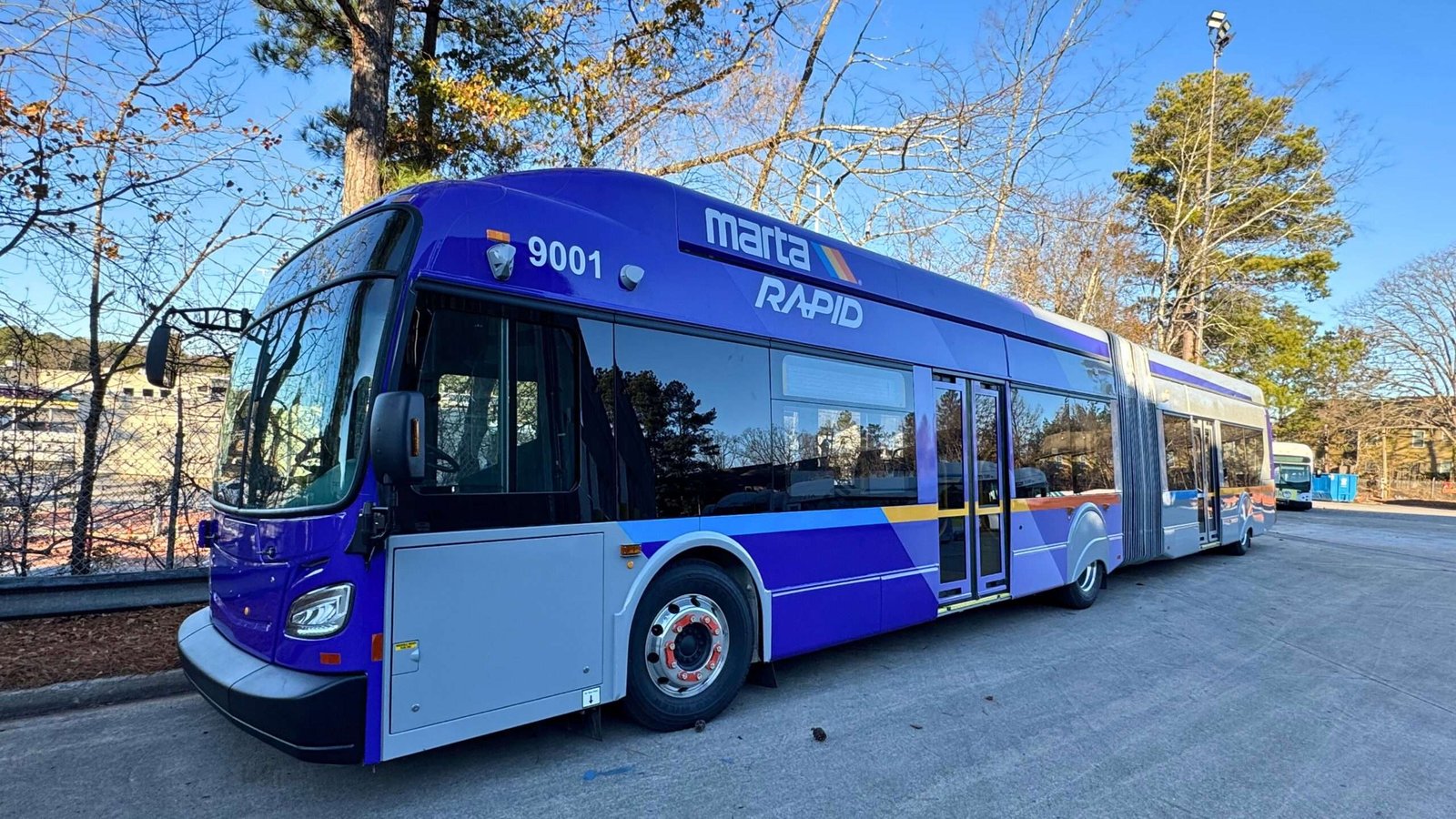
MARTA is transitioning from its legacy rail fleet to new CQ400 railcars, which feature open gangways, front- and center-facing seating, charging stations, and real-time service information displays. The new trains are designed to improve safety, accessibility, and capacity during peak travel periods. (MARTA)
Four train sets are currently undergoing testing, with multiple sets expected to enter regular service before the World Cup begins in summer 2026. (MARTA)
Better Breeze introduces tap-to-pay fares
MARTA’s new contactless fare system, Better Breeze, is being installed systemwide. The system allows riders to tap a bank card or mobile wallet at faregates and fareboxes, while new remotely monitored faregates are expected to reduce fare evasion and improve station security. (MARTA)
The customer transition period will run from March 28 through May 2, 2026. During that window, both the old and new Breeze systems will operate simultaneously, allowing riders to use remaining balances and transition to new fare options without disruption. (MARTA)
NextGen Bus Network and MARTA Reach launch this spring
MARTA will roll out its redesigned NextGen Bus Network on April 18, 2026. The updated network is expected to deliver 15-minute service frequency to three times as many metro Atlanta residents as before. (MARTA)
Ahead of the full bus redesign, MARTA Reach, an on-demand transit service, will launch on March 7, 2026. Reach will provide shared rides within 12 defined zones across MARTA’s service area, improving first- and last-mile access for riders. (MARTA)
Rapid A-Line brings Atlanta’s first BRT service
Courtesy MARTA – Updated Mini Bus
MARTA’s Rapid A-Line, the region’s first bus rapid transit route, will connect Downtown Atlanta to Summerhill and the Atlanta Beltline’s Southside Trail. The line will operate in dedicated lanes with off-board fare payment and level boarding at multiple doors, enabling faster, more reliable trips. (MARTA)
Five Points Station upgrades continue
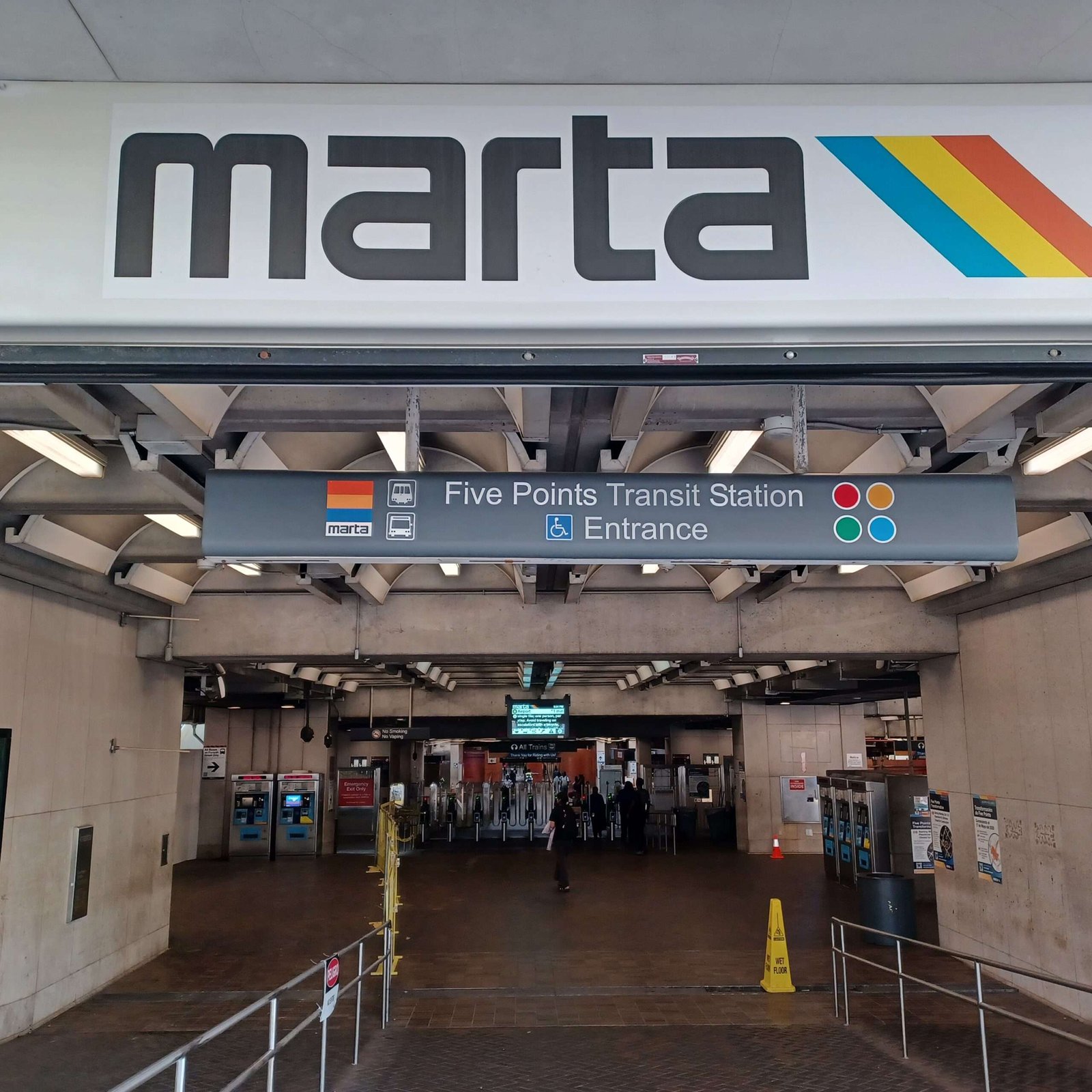
As part of MARTA’s $1 billion Station Rehabilitation Program, platform improvements at Five Points Station—including new lighting, flooring, and ceilings—are scheduled for completion by spring 2026. (MARTA)
The broader Five Points Transformation Project, which includes removal and replacement of the station canopy at street level, remains underway. MARTA officials say the station will remain open, safe, and accessible throughout construction, including during the World Cup. (MARTA)
Preparing for World Cup crowds—and beyond
MARTA has developed a comprehensive World Cup readiness plan centered on cleanliness, lighting, wayfinding, multilingual signage, and enhanced service. During the tournament, increased deployments of police officers, transit ambassadors, and safety teams are planned to support both visitors and daily riders. (MARTA)
Digital tools get an overhaul
In addition to physical upgrades, MARTA will refresh its digital tools in 2026. New trip-planning and real-time tracking features will be integrated into itsmarta.com, alongside a redesigned mobile app that consolidates functions currently split between MARTA On the Go and See & Say. (MARTA)
For riders, the question now is simple: will these long-promised changes show up consistently on platforms, buses, and trains?
MARTA says 2026 is the year those answers move from press releases to daily experience.
Buddhist monks drew thousands in Decatur as they walked through metro Atlanta on a 2,300-mile pilgrimage promoting peace, mindfulness, compassion, and community connection.
By Milton Kirby | Decatur, GA | January 1, 2026
DeKalb County became a place of quiet reflection and shared purpose on Tuesday, Dec. 30, as a group of Buddhist monks passed through metro Atlanta during their 2,300-mile Walk for Peace from Texas to Washington, D.C.
Thousands gathered across the Decatur area to welcome the monks, who were on day 66 of a 120-day pilgrimage dedicated to promoting peace, loving kindness, and compassion. Clad in flowing saffron and ocher robes, the monks moved deliberately and barefoot through neighborhoods, city centers, and public spaces, drawing residents outdoors and turning ordinary streets into places of connection.
The journey began Oct. 26, 2025, in Fort Worth, Texas, and will conclude Feb. 13, 2026, at the U.S. Capitol. Along the way, the monks have crossed the Deep South, walking an average of 25 to 30 miles each day and sleeping outdoors in tents whenever possible.
A peaceful pause in Decatur
The monks entered DeKalb County after walking from Clayton County and made a major daytime stop at the Porter Sanford Performing Arts Center in Greater Decatur. There, they shared a simple lunch and greeted a steady stream of visitors seeking blessings, conversation, or a moment of stillness.
Leading the pilgrimage is Venerable Bhikkhu Pannakara, who invited the crowd to take part in a brief mindfulness exercise.
“After you get a piece of paper and a pen, write this down: ‘Today is going to be my peaceful day,’” Pannakara told the audience. “Read it over and over, then read it out loud. Tell the universe that today is my peaceful day. No one can mess it up.”
Following his remarks, attendees lined up to receive white blessing cords from the monks. The cords, tied gently around the wrist, serve as reminders of mindfulness, compassion, and the responsibility to carry peace into daily life.
Onlookers also lined West Trinity Place and other downtown streets, quietly waving as the monks passed. Many said the walk felt especially meaningful at a time when social media and daily news reflect widespread anxiety and division.
Local leaders welcome the pilgrims
As evening fell, a second gathering took place at the Beacon Municipal Complex in Decatur. Though blessing cords were not offered at this stop, the monks led a group blessing and were welcomed by civic and faith leaders from across Georgia.
Those addressing the crowd included Senator Raphael Warnock, Congressman Hank Johnson, Georgia House Representative Ruwa Romman, DeKalb County CEO Lorraine Cochran-Johnson, and Mayor of Decatur, GA Patti Garrett.
“It truly warms my heart to see all of you here,” Garrett said. “It is an honor for Decatur to be part of this peace event.”
Warnock, who also serves as senior pastor of Ebenezer Baptist Church, reflected on scripture as it related to the monks’ journey.
“He has shown you, O mortal, what is good,” Warnock said. “And what does the Lord require of you? To do justice, to love kindness, and to walk humbly with your God.”
He added that the monks’ physical pilgrimage gave those words fresh meaning. “We could use more justice,” Warnock said. “We can certainly use more kindness. And they’ve taught us how to walk humbly — literally.”
Why they walk
Pannakara said the idea for the walk came after years of witnessing suffering while operating a global relief nonprofit and traveling across conflict-affected regions.
“I’ve seen a lot of suffering in many different ways,” he said. “That led me to think about doing something for this country and this world, hoping it will heal some people.”
He spoke candidly about the chaos he sees in modern life. “If there is no loving kindness, there is no peace. If there is no compassion, there is no peace,” he said. “If we don’t have peace within ourselves, we cannot expect anyone else to bring us peace.”
The monks come from Theravada Buddhist monasteries around the world. Many had never met before the pilgrimage began, yet their shared discipline and daily walking practice have created a bond that resonates with those they encounter.
The journey continues — with resilience
After leaving downtown Decatur, the monks walked several more miles and spent the night at Tobie Grant Recreation Center in Scottdale. Residents along McLendon Drive watched quietly as the group passed through early the next morning. On Dec. 31, day 67 of the journey, the monks continued on to Snellville.
Their walk has not been without hardship. On Nov. 19, 2025, along U.S. Highway 90 near Dayton, Texas, a distracted truck driver struck the group’s escort vehicle, which was pushed into two monks walking along the roadside. One monk, Bhante Dam Phommasan, suffered catastrophic injuries that resulted in the amputation of part of his leg. He later returned home to Snellville to recover and has remained in close contact with the group.
Despite the danger and physical toll — including bandaged feet from stepping on glass, nails, and rocks — the monks say mindfulness sustains them.
“What’s made it beautiful is how people have welcomed and hosted us despite not knowing who we are or what we believe,” Pannakara said.
Aloka, the peace dog
Often walking just ahead of the monks is Aloka, a rescue dog whose name means “divine light” in Sanskrit. Aloka first joined Pannakara during a 112-day walk across India in 2022, following the monks from Kolkata nearly to the Nepal border. Once critically ill, the dog was carried and nursed back to health by Pannakara.
Now a beloved companion on the U.S. pilgrimage, Aloka has become a symbol of perseverance and gentleness, inspiring millions of followers online.
“I named him light because I want him to find the light of wisdom,” Pannakara said.
A practice, not a destination
The monks have asked supporters not to walk alongside them for extended distances, but to visit during designated stops and reflect on the message in their own way.
In a statement, the group said they hope the pilgrimage reminds Americans that “peace is not a destination — it is a practice.”
“As the nation faces division, mental health crises, and conflict at home and abroad, this walk offers a simple truth,” the statement read. “Peace begins within the heart of each person and extends outward to families, communities, and society.”
As the monks continue north through Georgia and into the Carolinas, their quiet presence leaves behind something lasting — a reminder that even in uncertain times, peace can still be practiced, one step at a time.
DeKalb County Tax Commissioner Irvin J. Johnson will retire Dec. 31 after 26 years of service, with Chief Deputy Nicole M. Golden set to succeed him.
By Milton Kirby | Decatur, GA | December 26, 2025
After nearly 26 years of service to DeKalb County—10 of them as tax commissioner—Irvin J. Johnson will retire effective Dec. 31, 2025, closing a long chapter in county government marked by stability, modernization, and consistent revenue performance.
Johnson announced his retirement while highlighting the work of the office he led through a decade of change. He credited staff for maintaining operations during the pandemic, expanding digital services, strengthening security protocols, and increasing community outreach.
“I am grateful for the opportunity to lead one of DeKalb’s key governmental functions,” Johnson said in a statement. “We achieved the approval of 10 consecutive and timely tax digest submissions, which supported county and school operations. Those results came from a committed and excellent team.”
Leadership Transition Already in Place
Photo Courtesy Tax Commissioner Nicole Golden
Under Georgia law, the office will transition to Nicole M. Golden, the current chief deputy tax commissioner. Golden will assume leadership to ensure operational continuity. The tax commissioner is an elected position; Johnson was reelected in 2024, with a term that runs through 2029.
Golden brings more than 20 years of legal experience and nine years as chief deputy. Johnson said she is well prepared to lead the office and maintain service levels across all divisions.
A Career Built From the Inside Out
Johnson began his career in the tax commissioner’s office in July 2000 as a network coordinator. He advanced through multiple roles, including supervisor, manager, and chief deputy. In 2016, he succeeded former Tax Commissioner Claudia Lawson and was later elected.
Before joining the county, Johnson held leadership roles in the private and nonprofit sectors. His experience included quality systems management at Square D Company, training supervision at Michelin Tire Corporation, manufacturing supervision at Westinghouse Electric Corporation, and job development work with the Shenango Valley Urban League.
Community and Professional Leadership
Beyond his county role, Johnson has been active across DeKalb and the state. He is a past president of the South DeKalb Rotary Club and a former chair of the Georgia Tax Commissioners’ Technology Development Council. He has also served on the board of the DeKalb Regional Land Bank Authority and on the board of directors at Mount Moriah Baptist Church in Tucker.
In 2024, Johnson was named Tax Commissioner of the Year by the Georgia Association of Black County Officials, in recognition of his leadership and service.
An Office With Broad Responsibilities
The DeKalb County Tax Commissioner’s Office collects and disburses personal and real property taxes, administers homestead exemptions, processes vehicle registrations and renewals, and collects motor vehicle taxes. Johnson said modernizing these services was a priority throughout his tenure.
As he prepares to step away, Johnson expressed confidence in the office’s future. With Golden set to lead and an experienced team in place, county officials say residents can expect continuity in one of DeKalb’s most essential operations.
Senate Democrats introduce the $15B REPAIR Infrastructure Act to reconnect communities divided by highways, prevent displacement, and expand funding for equitable transportation projects nationwide.
By Milton Kirby | Washington, D.C. | December 22, 2025
A bipartisan-backed effort to repair the long-term damage caused by urban highways moved forward this week as U.S. Senate Democrats introduced legislation to reauthorize and expand the federal government’s flagship program aimed at reconnecting communities split apart by legacy infrastructure.
The Restoring Essential Public Access and Improving Resilient Infrastructure Act, known as the REPAIR Infrastructure Act, would invest $15 billion over five years to help cities and towns redesign or remove divisive roadways, restore neighborhood connections, and prevent displacement tied to major transportation projects.
The bill was introduced by Sen. Raphael Warnock, Sen. Lisa Blunt Rochester, and Sen. Jeff Merkley, building on the Reconnecting Communities Pilot Program created under the 2021 Infrastructure Investment and Jobs Act.
From Pilot Program to Permanent Policy
Since its launch, the U.S. Department of Transportation has funded 257 projects in 47 states, supporting initiatives that redesign streets, remove outdated highway structures, improve transit access, and spur local economic development. Supporters of the REPAIR Act say those early successes justify turning the pilot into a permanent, fully funded program.
Under the legislation, Congress would authorize $3 billion annually from fiscal years 2027 through 2031, funded through the Highway Trust Fund. Of that total, $750 million each year would be dedicated to planning grants, while $2.25 billion would support capital construction projects.
“These projects are about more than concrete and asphalt,” supporters argue. “They are about restoring access to jobs, schools, healthcare, and opportunity.”
Guardrails Against Displacement
A central feature of the bill is its focus on equity and community protection. The REPAIR Act would formally require projects to promote economic development while preventing displacement of existing residents, a frequent criticism of past infrastructure investments.
Projects would be evaluated on whether they include robust community participation plans, partnerships with local organizations, and strategies to preserve affordability. Eligible efforts could include renter and homeowner assistance, affordable housing preservation, mixed-income development, and protections for small businesses.
The legislation also bars grant funds from being used to increase the number of travel lanes on existing highways, signaling a shift away from highway expansion and toward neighborhood-scale reconnection.
Broader Eligibility Across Federal Programs
Beyond direct grants, the REPAIR Act expands eligibility for reconnection projects across multiple federal transportation programs, including:
National Highway Performance Program
Surface Transportation Block Grants
Highway Safety Improvement Program
Congestion Mitigation and Air Quality Program
National Highway Freight Program
Rural Surface Transportation Grants
Carbon Reduction Program
The bill also formally defines “divisive roadway infrastructure,” including limited-access highways and viaducts that act as barriers to mobility and economic activity.
Georgia Examples Loom Large
The legislation carries particular significance for Georgia, where highway construction in the mid-20th century reshaped cities and displaced historically Black neighborhoods. In Atlanta, the Downtown Connector severed once-thriving communities. In Savannah, the I-16 flyover cut through Black business districts near the city’s core.
Backers of the bill say REPAIR funding could help address those lingering impacts while guiding future projects toward community-led solutions.
Broad Coalition Support
The REPAIR Infrastructure Act is endorsed by a wide coalition of planning, environmental, and local government organizations, including Smart Growth America, the National League of Cities, the American Society of Landscape Architects, America Walks, the Congress for the New Urbanism, the Natural Resources Defense Council, and the Rails to Trails Conservancy, along with more than 70 additional national groups.
Supporters argue the bill reflects a growing consensus that transportation policy must balance mobility with health, climate resilience, and neighborhood stability.
What Comes Next
The bill has been referred to committee, where lawmakers will debate funding levels and implementation details. If passed, it would mark one of the most significant federal commitments to undoing the social and economic harms caused by 20th-century highway construction. For cities still living with the consequences of those decisions, proponents say the message is clear: reconnecting communities is no longer an experiment — it is national policy.