Milton Kirby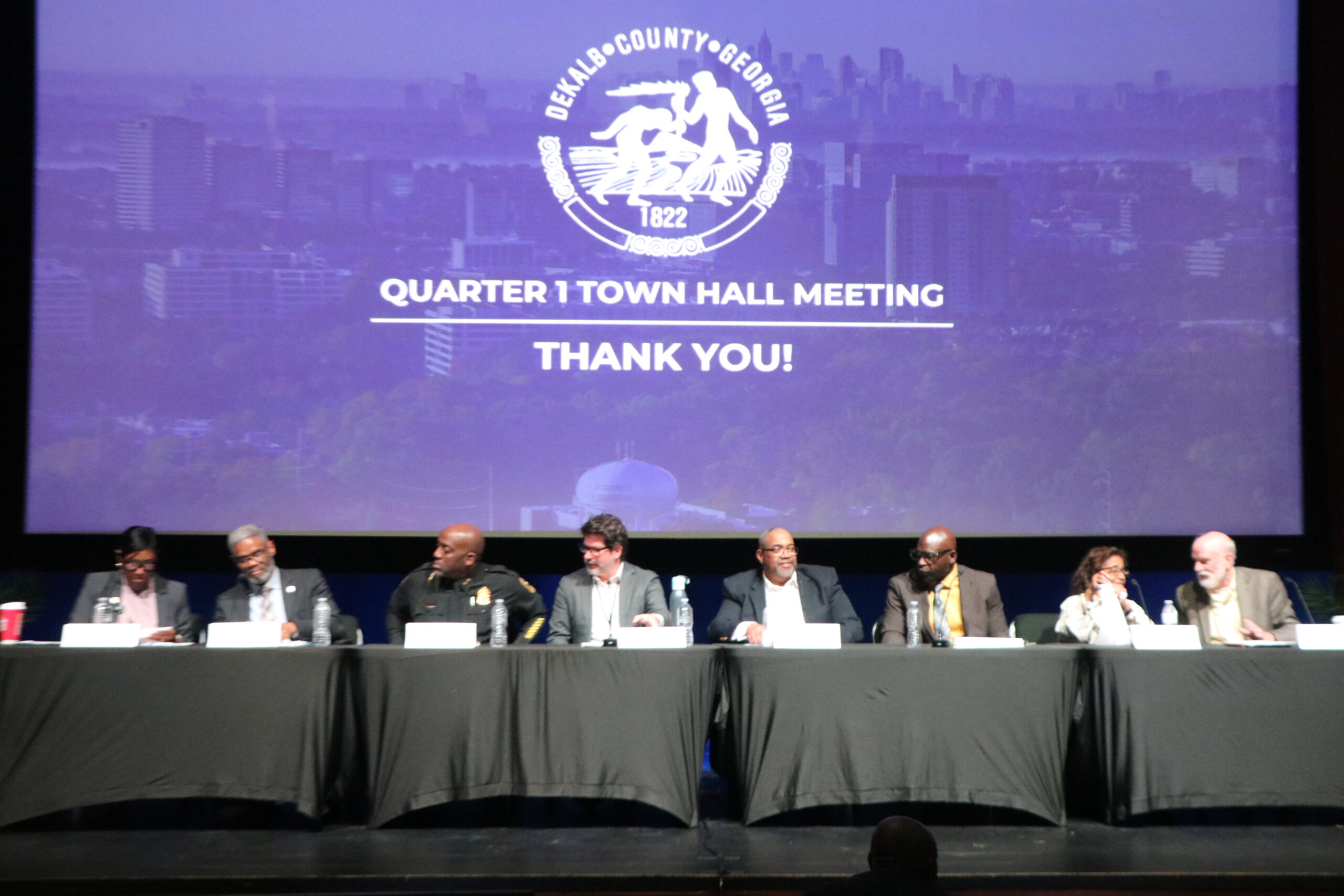
By Milton Kirby | Decatur, GA | May 28, 2026
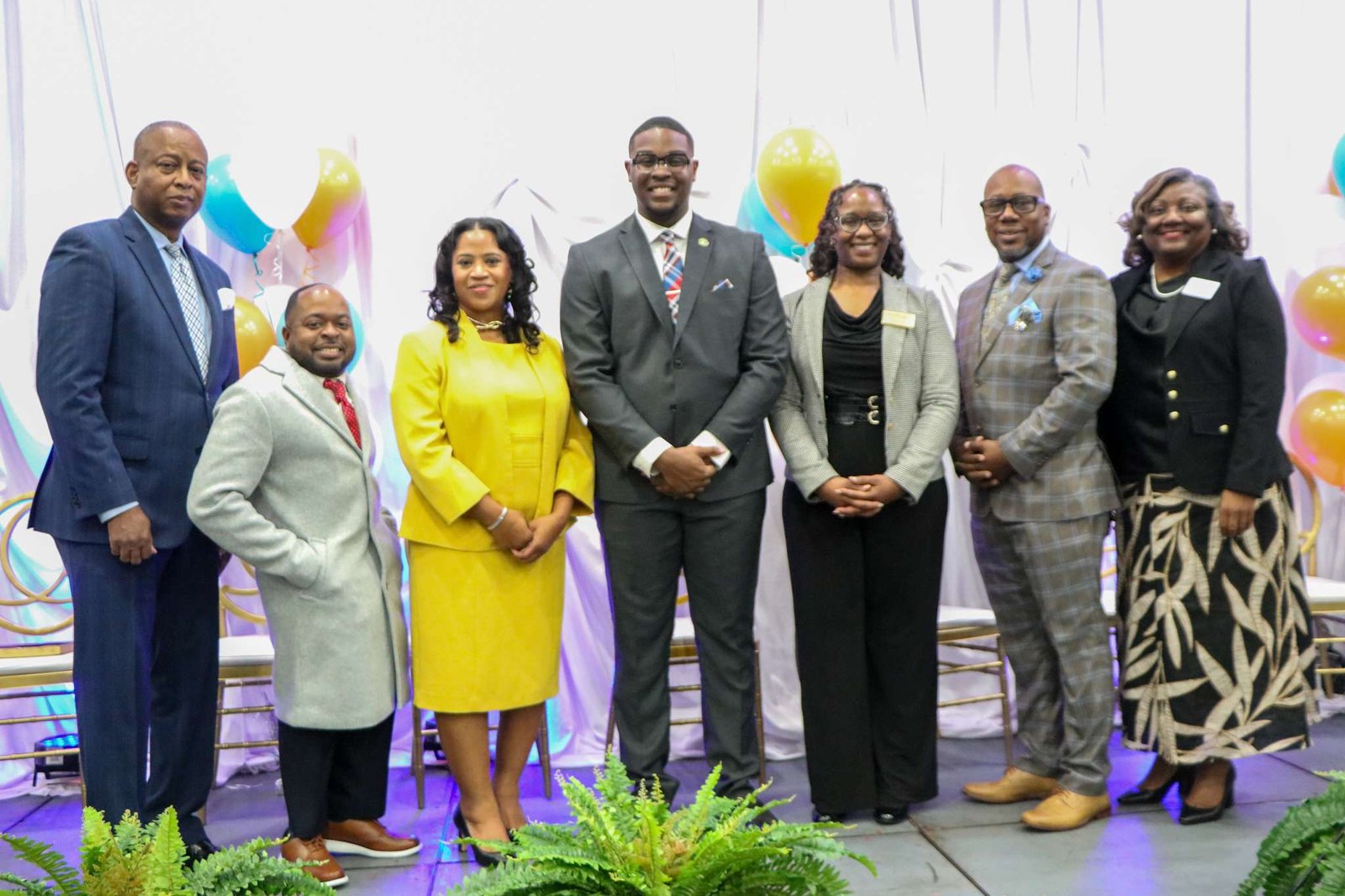
DeKalb County CEO Lorraine Cochran-Johnson and members of her executive leadership team presented an expansive vision and report on progress for modernization, redevelopment, public safety, infrastructure repair, and housing investment during the county’s first-quarter town hall Wednesday evening at the Porter Sanford III Performing Arts & Community Center.
The nearly two-hour meeting combined department updates, resident questions, and long-term planning discussions as county officials outlined efforts aimed at addressing aging infrastructure, blight, housing affordability, crime reduction, and economic development across DeKalb County.
“This evening, you will hear a report directly from all of the individuals that we have here on this stage,” Cochran-Johnson told attendees. “With 34 different divisions, there are a lot of people who are responsible for the work that you experience each and every day.”
Throughout the evening, county leaders repeatedly emphasized what Cochran-Johnson described as a broader effort to “move with purpose” while modernizing county government systems that, in some cases, officials said had been neglected for years.
Public Safety and Crime Reduction
Public safety emerged as one of the town hall’s central themes.
County officials highlighted increased police recruitment, improved retention, investments in technology, and the continued rollout of DeKalb’s Real Time Crime Center.
According to Tony Hughes, Assistant Chief, DeKalb County Police Department, police recruitment has increased by more than 300 percent since Cochran-Johnson took office, while retention rates now stand at approximately 98 percent.
“When I came into office, for over a four-year period, we lost 385 police officers,” Cochran-Johnson said. “We were at a critical level.”
Assistant Chief Tony Hughes said property crimes are down approximately 25 percent while crimes against persons have also declined.
Officials credited part of that reduction to increased officer presence, new compensation packages, surveillance technology, and the county’s growing use of real-time policing tools.
The county formally opened its Real Time Crime Center in December 2025. Officials said the system integrates traffic cameras, Flock safety cameras, business surveillance systems, and drone technology to improve emergency response and investigations.
“We have been intentional in strategically placing drones and technology,” Cochran-Johnson said. “I would like us to get to the point where we’re never more than three minutes away.”
County leaders also discussed the ongoing crackdown on illegal street racing and intersection takeovers.
Officials said the county’s street takeover initiative has resulted in more than 200 citations, 41 arrests, and the impoundment of multiple vehicles connected to illegal racing activity.
“We cannot continue to allow people to be lawless in our communities,” Cochran-Johnson said. “Crime will show up at your front door.”
The county also highlighted upgrades to its E-911 system, including investments in artificial intelligence tools designed to improve call management during high-volume emergencies.
Infrastructure, Roads, and Aging Systems
Road resurfacing, storm water infrastructure, and aging county systems generated some of the evening’s most detailed discussions.
Public Works Deputy Director Peggy Allen explained that DeKalb now uses a pavement condition index system to evaluate more than 7,200 road segments annually. Roads are graded using a “worst first” philosophy to prioritize resurfacing projects.
County officials said DeKalb resurfaced approximately 120 miles of roadway annually through the Special Purpose Local Option Sales Tax program, commonly known as SPLOST.
However, officials acknowledged that rising costs continue to create challenges.
According to Allen, resurfacing costs that averaged approximately $450,000 per mile in 2018 have now increased to as much as $900,000 to $1 million per mile in some cases.
“We can do no more than we have expendable income to do,” Cochran-Johnson said.
Officials also discussed DeKalb’s aging storm water infrastructure, including failing culverts, damaged drainage systems, and deteriorating pipes.
Allen said the county maintains more than 500 miles of storm water pipe, 22,000 catch basins, nearly 1,000 detention ponds, and more than 200 bridges.
“Our inventory is huge, and our inventory is aging,” Allen said.
Recent heavy rainfall has intensified concerns about flooding and infrastructure failures in several areas of the county.
County officials said storm water upgrades and sewer rehabilitation efforts remain ongoing under federally mandated infrastructure improvement programs.
Housing, Redevelopment, and Economic Growth
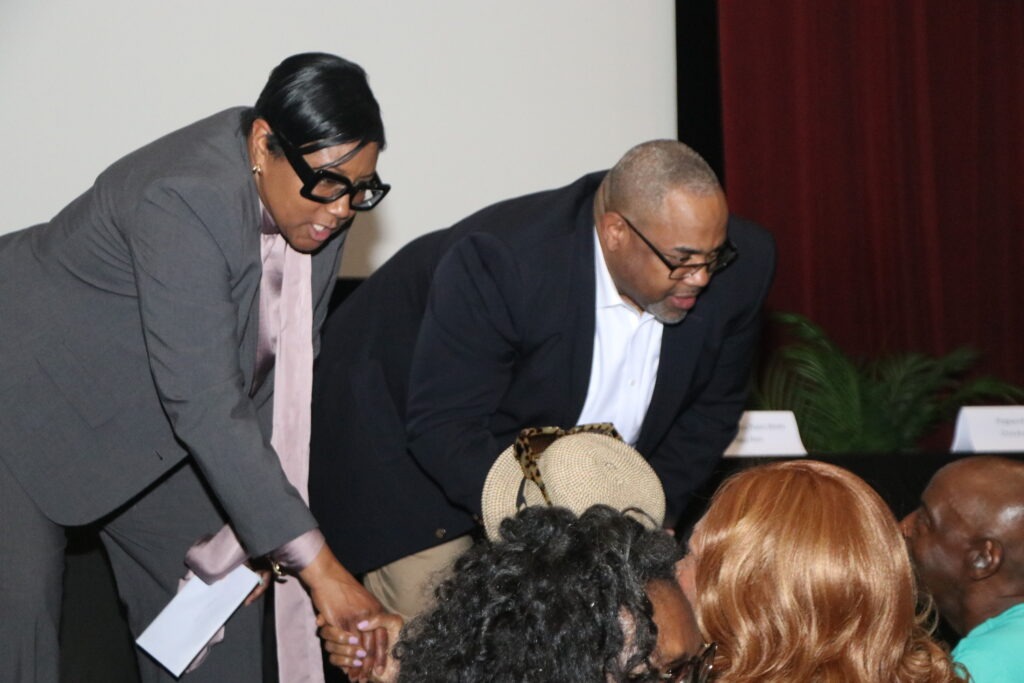
Housing affordability and redevelopment were also major priorities discussed during the town hall.
Chief Housing Officer Dr. Alan Ferguson outlined several new county initiatives aimed at increasing homeownership opportunities and preserving existing housing stock.
Among the initiatives announced:
- a new down payment assistance program offering up to $20,000 for eligible homebuyers,
- employee homeownership incentives for DeKalb workers,
- and home preservation grants providing up to $30,000 in repair assistance for qualifying homeowners.
“We want them to live and enjoy the fruits and benefits within DeKalb County,” Ferguson said regarding county employees.
County officials also announced faith-based housing partnership initiatives designed to help churches and religious institutions develop underutilized property for housing projects.
South DeKalb redevelopment efforts generated strong audience interest throughout the evening.
Chief Development Officer Jacob Vallo confirmed that discussions continue regarding the future redevelopment of South DeKalb Mall, which officials described as a key catalyst project for the area.
“Simply put, it’s mixed use,” Vallo said of the redevelopment vision. “Think restaurants, retail, housing, and green space.”
Officials also discussed ongoing transit-oriented development planning near MARTA stations, including Kensington and Indian Creek, along with major trail and greenway projects connected to the South River corridor.
Cochran-Johnson urged residents to remain open to strategic redevelopment and increased density in some areas if they want to attract additional retail investment and higher-income residential growth.
“Do not always say no,” she said. “Learn when to say yes and be specific on what you want.”
Residents Weigh In on Community Engagement
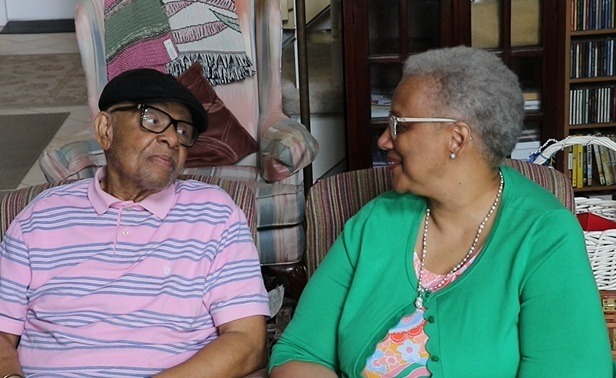
For some residents attending the town hall, the evening represented more than a government update. It reflected what they described as a more visible and accessible style of leadership.
Beverly Dabney, a retired JP Morgan Chase employee and longtime DeKalb resident, said she was encouraged by the administration’s focus on historically underserved areas of South DeKalb.
“Those are the really hard areas to develop,” Dabney said. “You have to get people on your staff that truly understand and are willing to work in those low-income areas.”
Dabney said she believes Cochran-Johnson’s administration has distinguished itself through communication and direct engagement with residents.
“Communication is key,” Dabney said. “The CEO makes her executive staff available so citizens can get immediate answers right away.”
She also praised the administration for holding regular public meetings that bring residents from multiple districts together in one location.
“This is an opportunity,” Dabney said. “A lot of times people think they have to call the CEO all the time, but she makes her leadership team present so people can address concerns directly.”
Dabney described Cochran-Johnson as “a people CEO,” adding that she believes the administration has shown a strong understanding of both county operations and neighborhood-level concerns.
When asked about the CEO’s command of the facts, Dabney said. “She studies the market, she studies the communities, and she understands what needs to happen in these areas.”
Her comments reflected one of the broader themes that surfaced repeatedly throughout the evening: residents want visible progress, but they also want consistent communication and accountability from county leadership.
Sanitation, Sustainability, and Illegal Dumping
One of the evening’s more animated presentations came from sanitation leadership, which outlined plans to modernize operations and expand sustainability efforts.
Director of Sanitation, Eugene McKinnie announced that the department is preparing a rebranding initiative intended to reflect broader environmental and resource recovery goals.
“Trash is cash,” Cochran-Johnson said while discussing sustainability initiatives.
Officials highlighted efforts to improve recycling education, composting programs, route efficiency, and waste diversion strategies.
The county also detailed its aggressive efforts to combat illegal tire dumping, which continues to affect portions of South DeKalb.
According to officials, DeKalb removed more than 37,000 illegally dumped tires during recent cleanup initiatives.
“These people have become so brazen that they will dump tires in front of a fully operational business in the middle of the night,” Cochran-Johnson said.
County officials said new drone surveillance, camera systems, and enforcement partnerships have helped identify repeat offenders.
The county is also exploring private-sector partnerships aimed at improving tire recycling and reducing long-term cleanup costs.
Residents Raise Concerns
While officials highlighted progress across multiple departments, residents also voiced ongoing frustrations involving potholes, blighted properties, flooding, illegal dumping, sidewalks, crime, and neglected developments.
Several questions focused on long-abandoned apartment and condominium complexes, including Brandon Hills, Walden Pond, and Whitehall Forest.
Cochran-Johnson acknowledged the severity of those issues and said legal action and code enforcement efforts remain ongoing.
“Brandon Hills, Walden Pond, and Whitehall Forest will not exist when I leave,” she said.
Residents also pressed officials on South DeKalb redevelopment, Memorial Drive revitalization, and concerns regarding abandoned commercial properties.
County leaders repeatedly emphasized that revitalization efforts require cooperation between government, residents, and private investment partners.
“We are doing fine in DeKalb County,” Cochran-Johnson told attendees near the conclusion of the meeting. “But we are going to have to work together.”
The town hall closed with county leaders encouraging residents to stay engaged through newsletters, community meetings, and county websites as DeKalb continues implementing long-term infrastructure, housing, and redevelopment initiatives.
Officials said additional public meetings and project updates are expected throughout the year as major initiatives continue moving forward.