Milton Kirby
By Milton Kirby | Knoxville, TN | February 7, 2026
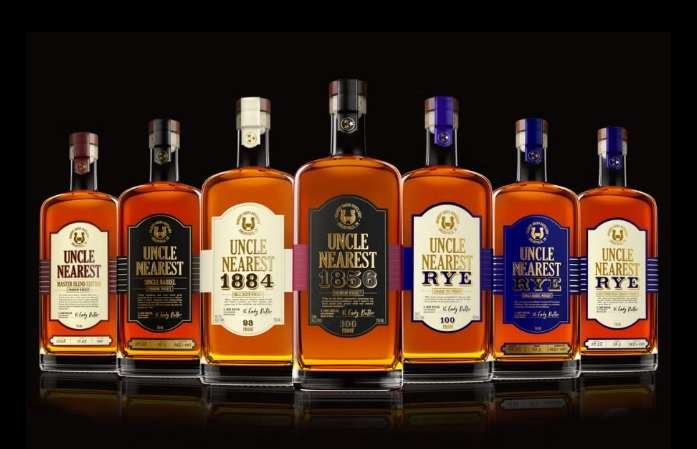
A federal judge in Knoxville will hear arguments Monday morning that could determine whether Uncle Nearest, one of Tennessee’s most prominent spirits brands, remains under court control or begins the process of reclaiming its operations.
The 10:00 a.m. hearing before U.S. District Judge Charles E. Atchley Jr. comes after a flurry of emergency filings challenging the receivership imposed last fall at the request of lender Farm Credit Mid-America. At issue is whether the extraordinary remedy—placing the company under the control of a court-appointed receiver—still serves its intended purpose.
Attorneys for Uncle Nearest, its founders Fawn and Keith Weaver, and their affiliated entity Grant Sidney Inc. argue that it does not.
In court papers, the founders contend the receivership was meant to stabilize a business facing uncertainty not to drain value from a company they say remains solvent and capable of meeting its obligations. They argue that after roughly five months under receiver control, more than $2 million has been spent on professional fees, while sales have declined and brand momentum has slowed.
The founders assert that the receiver has found no evidence of fraud by current management and has produced limited financial reporting, while failing to pursue claims tied to a former chief financial officer who allegedly admitted misconduct before the receivership began. They further argue that retail sales declines followed the receiver’s appointment and diverged from broader whiskey industry trends.
Central to the dispute is insolvency. The Weavers argue that both federal and Tennessee law rely on a balance-sheet test comparing assets to liabilities and maintain that Uncle Nearest’s assets exceed its debts. They cite distillery property, tens of thousands of barrels of aging whiskey, domestic and international real estate holdings, and the underlying brand itself, which they say was valued near $1 billion prior to the receivership.
The receiver and the lender both argue that conditions justifying the receivership still exist.
Receiver Phillip G. Young Jr. has told the court that Uncle Nearest remains financially unstable, cannot meet obligations without continued lender advances, and may carry debt exceeding the realizable value of its assets. He attributes declining sales to industry headwinds and distributor disruption, not receivership decisions, and says incomplete company records have slowed his ability to reach firm conclusions.
Farm Credit Mid-America supports that position, warning that lifting the receivership prematurely could expose collateral to risk and undermine creditor protections.
Judge Atchley is not being asked to resolve those underlying disputes Monday. Instead, the hearing will focus on whether the receivership should continue as structured, be narrowed, or be terminated altogether.
The decision could reshape the future of Uncle Nearest—either keeping the company in a holding pattern under court supervision or allowing its founders to attempt a recovery while litigation continues.
What to Watch at Monday’s Hearing
1. Solvency vs. Stability
The judge will weigh competing narratives: whether Uncle Nearest is balance-sheet solvent, as the founders claim, or operationally unstable, as the receiver contends.
2. Cost of the Receivership
Expect scrutiny of professional fees, burn rate, and whether the receivership is preserving or eroding enterprise value.
3. Sales Decline Evidence
Both sides cite sales data. The court may probe whether declines are tied to market conditions or changes implemented after the receiver took control.
4. Scope of Court Control
The judge could leave the receivership intact, limit it to financial monitoring, or return day-to-day operations to company leadership.
5. What Happens Next
While Monday’s ruling won’t end the case, it may determine who controls Uncle Nearest’s future during the months ahead.
Related articles
Fight for a Billion-Dollar Brand: Weavers Move to Halt Receiver’s Actions
Uncle Nearest: A Billion-Dollar Brand, a $25 Million Question & The Unanswered Future
Receiver’s Report Says Uncle Nearest Can Be Reorganized
Uncle Nearest at Legal Crossroads
Truth Seekers Journal thrives because of readers like you. Join us in sustaining independent voices.